
What Are Partial Dentures?
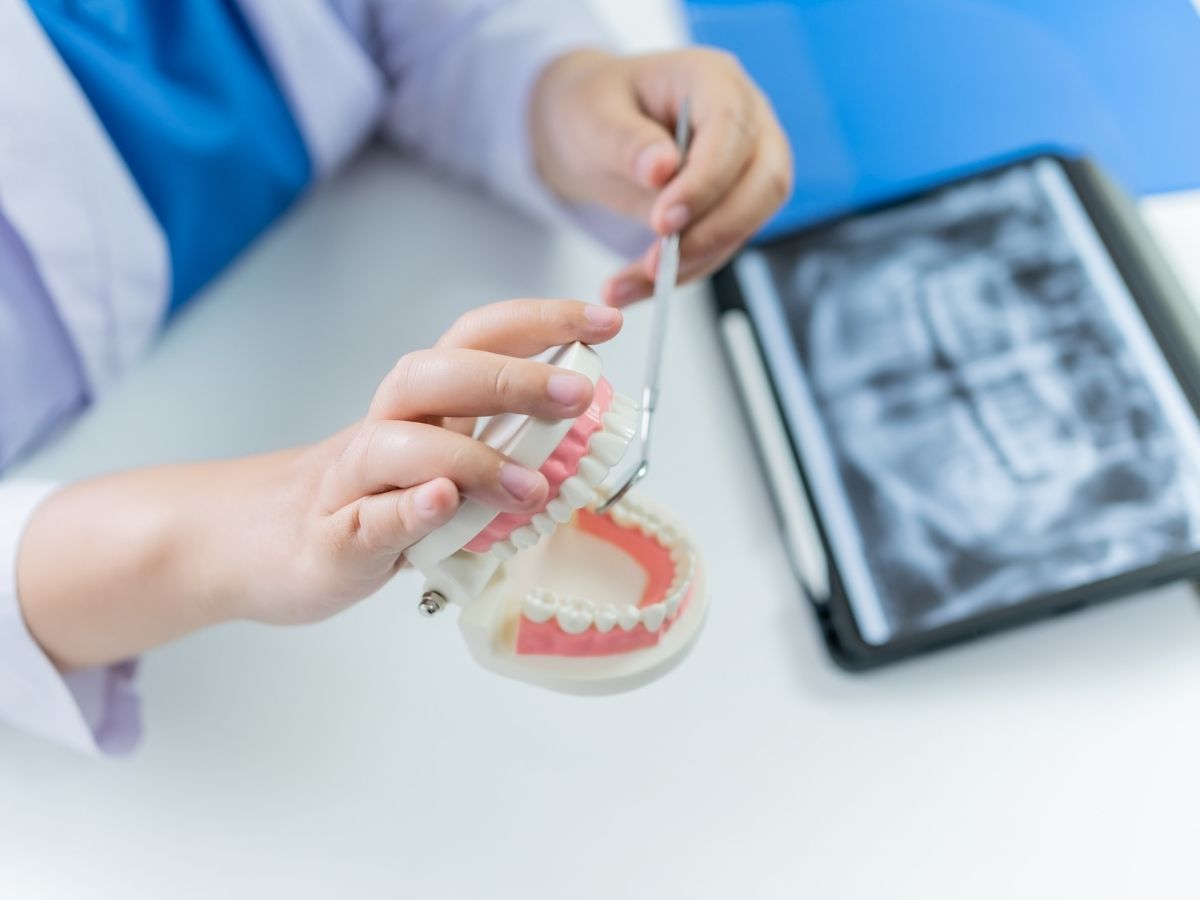
Partial dentures are removable dental appliances designed to replace one or more missing teeth. Unlike full dentures, they’re used when some of your natural teeth remain. They typically consist of replacement teeth attached to a gum-coloured acrylic base, often supported by a metal or flexible framework. Small clasps or connectors help anchor the denture to your remaining teeth. There are different types available, including:- Acrylic partial dentures: often used as a temporary or more affordable option
- Cast metal partial dentures: more durable and tend to fit more precisely
- Flexible partial dentures: made from a softer material, which some patients find more comfortable
What Is the Adjustment Period Like?
It’s completely normal to feel some discomfort or awkwardness in the first few weeks. Your mouth needs time to adapt to the new appliance.Common early experiences include:
- Increased saliva production: your mouth may initially treat the denture as a foreign object
- Slight speech changes: words may feel different at first, particularly sounds like “s” or “f”
- Mild soreness: especially around the gum areas where the denture rests or clasps sit
How Do You Wear Partial Dentures Daily?
Once you’ve adjusted to your partial denture, wearing it throughout the day becomes fairly straightforward for most people.Putting them in and taking them out
Partial dentures are inserted by gently pressing them into position never forcing or biting them in, as this can damage the clasps. Removal is done by gently unclipping the clasps and lifting the denture out. Most patients find they can do this quickly and confidently after a short period of practice.Eating with partial dentures
You’ll likely need to make some small adjustments to your eating habits, particularly in the early stages:- Start with soft foods and gradually reintroduce harder textures
- Cut food into smaller pieces where possible
- Chew on both sides of your mouth to distribute pressure evenly
- Avoid very sticky or hard foods that may dislodge or damage the denture
Sleeping with partial dentures
Most dentists recommend removing partial dentures at night to let your gums rest and reduce bacterial build-up. If you are looking for dentures in Lower Hutt dental professionals, your provider can guide you on proper care routines tailored to your individual needs. Following their advice may help maintain oral health, comfort, and long-term denture fit.How Do You Care for Partial Dentures?
Good daily maintenance is key to keeping your partial dentures comfortable, hygienic, and long-lasting.Daily cleaning routine
- Remove and rinse your denture after eating to remove food particles
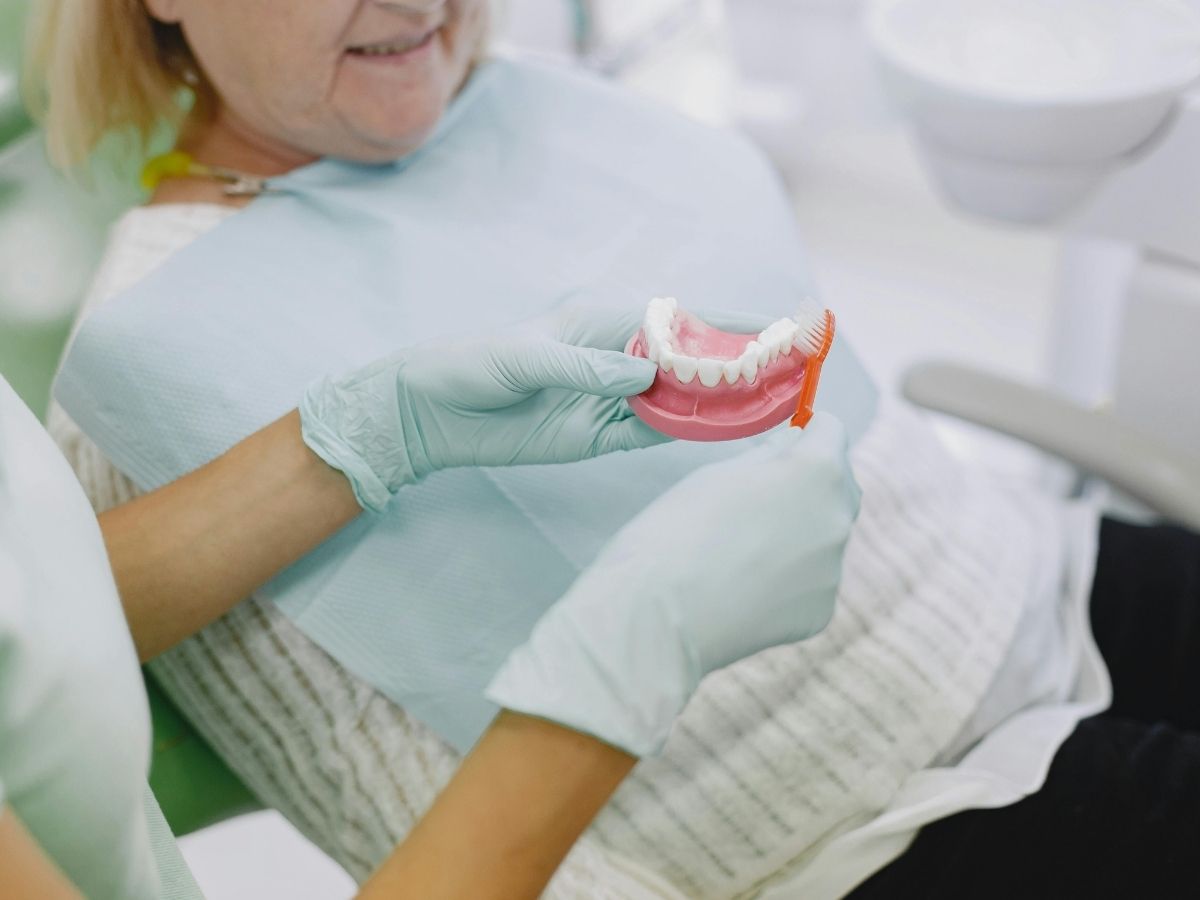
- Brush the denture gently with a soft denture brush and mild soap or a non-abrasive denture cleaner avoid regular toothpaste, which can be too abrasive
- Rinse thoroughly before placing the denture back in your mouth
- Soak the denture overnight in clean water or a denture-soaking solution to help maintain its shape
Caring for your remaining natural teeth
This is just as important. Keeping your remaining teeth healthy helps support the fit and function of your partial denture. Continue brushing twice daily, flossing, and attending regular dental check-ups.How Long Do Partial Dentures Last?
With proper care, partial dentures can last several years. However, your mouth changes shape over time, and dentures may need to be relined, adjusted, or eventually replaced. Signs that your denture may need attention include:- It feels loose or moves when you speak or eat
- Sore spots develop that don’t resolve within a few days
- Visible cracks, chips, or worn teeth on the denture