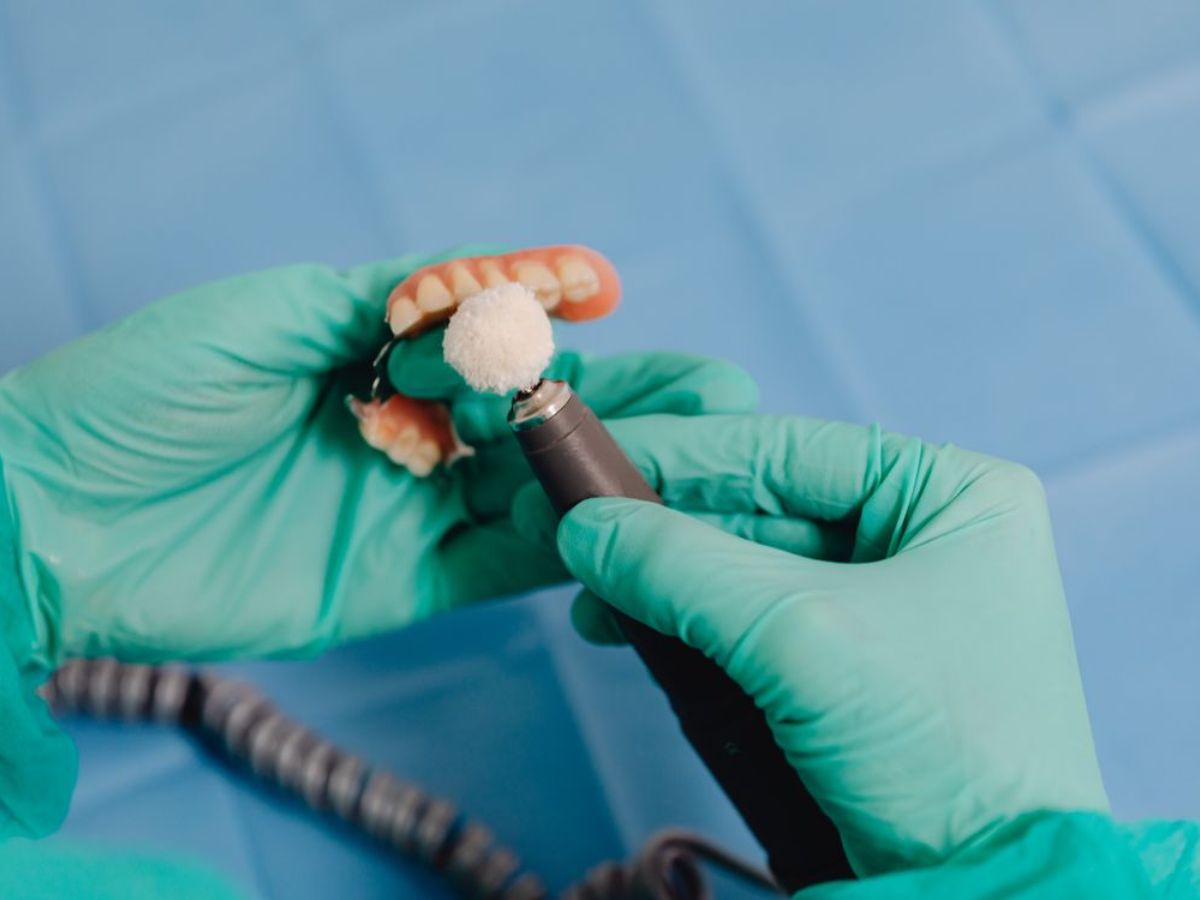

How Do Dentists Repair Loose or Damaged Dentures?

How Do Dentists Repair Loose or Damaged Dentures?
Dentures can make a real difference to everyday life helping people eat, speak, and smile with greater confidence. But like any dental appliance, they can wear down, loosen, or break over time. When that happens, seeking professional denture repairs in Lower Hutt is the right first step. Attempting to fix dentures at home using glue or DIY kits may seem convenient, but it often leads to further damage and may even affect how the denture fits. Understanding what dentists can do and when to see one helps you make informed decisions about your oral health. This guide explains the most common denture problems, how dental professionals repair them, and what you can expect during the process.

Why Dentures Become Loose or Damaged

Dentures are designed to be durable, but they are not immune to wear and tear. If you are considering denture repairs in Lower Hutt, several factors can affect how well they fit or function over time.  Changes in the jaw and gum tissue are among the most common reasons dentures loosen. After tooth loss, the jawbone gradually changes shape in a process called bone resorption. As the bone and gum tissue shrink, the denture no longer sits as snugly as it once did. Accidental damage is another frequent cause. Dropping a denture on a hard surface can crack or chip the acrylic base or break a tooth. Even hairline cracks that are not immediately visible can worsen with daily use. Normal wear over several years can also degrade the fit and surface of a denture. Most full dentures have a lifespan of around five to ten years, though this varies depending on care and individual circumstances.

Common Types of Denture Repairs

Not all denture repairs are the same. The type of repair needed depends on what has gone wrong with the appliance.

Relining

A reline involves adding new material to the fitting surface of the denture to improve how it sits against the gum. This is one of the most common procedures for dentures that feel loose or uncomfortable. There are two main types of relines. A chairside reline is done in the clinic during a single appointment.  A laboratory reline involves sending the denture to a dental laboratory for a more thorough refitting, which may take a few days.Relining does not change the appearance of the denture; it simply improves the fit.

Rebasing

Rebasing replaces the entire acrylic base of the denture while keeping the existing artificial teeth. This is usually recommended when the base has deteriorated significantly but the teeth themselves are still in good condition. It is a more extensive process than relining and typically requires laboratory work.

Tooth Replacement

If a single denture tooth has chipped or broken off, a dental professional can replace just that tooth. The process involves matching the colour and shape of the existing teeth as closely as possible and bonding the new tooth to the base. This type of repair is usually straightforward, though the result depends on the age and condition of the existing denture.

Crack and Fracture Repairs

Small cracks in the denture base can often be repaired using specialised dental adhesives or acrylic repair materials. However, the denture is usually sent to a laboratory for this type of work to ensure a proper, lasting repair. It is worth noting that a repaired crack may be slightly visible upon close inspection, depending on the extent of the damage.

Clasp Adjustments

For people with partial dentures, metal clasps help hold the appliance in place by gripping the remaining natural teeth. Over time, these clasps can bend, loosen, or break. A dentist or dental technician can adjust or replace clasps to restore proper retention. This is particularly important, as ill-fitting clasps can put stress on the natural teeth they attach to.

What to Expect During a Denture Repair Appointment

When you visit a dental clinic for denture repairs, the process generally begins with an assessment. The dentist will examine the denture and your oral tissues to understand the cause of the problem and determine the most appropriate repair. For minor repairs, such as a reline or a broken tooth, some work may be completed in the clinic on the same day. More complex repairs typically involve sending the denture to a dental laboratory. For anyone managing dentures in Lower Hutt, these cases may require leaving the denture overnight or for a few days. Your dentist will advise you on how to manage without your denture during this period if needed. Once the repair is complete, the dentist will check the fit and make any minor adjustments to ensure comfort. It is important to attend this follow-up step, as a well-fitting denture reduces the risk of sore spots and discomfort.

Can You Repair Dentures at Home?

There are over-the-counter kits available for temporary denture repairs, and it is understandable that people look for quick solutions. However, most dental professionals advise against using these products as a long-term fix. Home repair adhesives are not designed to withstand the pressure of biting and chewing. They may also alter the shape or fit of the denture, making it harder to carry out a proper professional repair later. If your denture breaks, it is advisable to store it safely and contact your dental clinic as soon as possible. In many cases, professional repairs can be arranged within a short timeframe.

How Often Should Dentures Be Checked?

Even if your dentures feel comfortable, regular dental check-ups are important. Your dentist will examine not only the denture itself but also the health of your gum tissue, any remaining teeth, and the underlying bone. Most people with full or partial dentures benefit from a check-up at least once a year. More frequent visits may be recommended depending on your circumstances. Early detection of fit issues or changes in oral tissue can help prevent more significant problems down the track.

Frequently Asked Questions

How long does a denture repair usually take?

This depends on the type of repair needed. Minor adjustments or chairside relines may be completed within one appointment. Repairs that require laboratory work such as rebasing or crack repairs typically take one to three working days. Your dental clinic will give you a more specific timeframe once they have assessed the denture.

Is it safe to use superglue on a broken denture?

Using superglue or standard household adhesives on dentures is not recommended. These products are not designed for use in the mouth and may contain chemicals that are unsafe for contact with oral tissue. They can also alter the fit of the denture and may make professional repairs more difficult. It is best to contact your dentist and arrange a proper repair.

What if my denture keeps coming loose no matter how many times it is repaired?

Persistent looseness may indicate that the denture has reached the end of its useful life, or that significant changes have occurred in the jawbone or gum tissue. In some cases, a new denture may be the more practical solution. Your dentist can assess the situation and discuss the options available to you, which may include conventional new dentures or other tooth replacement approaches.

Can partial dentures be repaired the same way as full dentures?

Many of the same repair techniques apply to both full and partial dentures, including relining, tooth replacement, and crack repairs. However, partial dentures also involve metal framework and clasps, which may require specialised repairs. A dental professional will be able to advise on the most appropriate approach for your specific appliance.

Conclusion

Loose or damaged dentures should not be left unattended. With the right professional care, most denture problems can be resolved in a timely and effective manner helping restore comfort and function to your daily life. Addressing issues early often means simpler repairs and less disruption overall. Whether your denture needs a reline, a broken tooth replaced, or a new clasp fitted, a qualified dental professional can assess the situation and recommend a suitable course of action. If you are looking for professional denture repairs in Lower Hutt, Dental Reflections Lower Hutt offers caring, evidence-based dental services. Reaching out to their team for an assessment is a good first step toward getting your denture back in good working order.
Dr. Mustafa Ali
Dr. Mustafa Ali

Mustafa Ali is a Clinical Dental Technician with 13+ years’ experience, trained at the University of Otago. As a trusted dental technician in Lower Hutt, he specialises in digital denture treatments using advanced 3D technology to create natural-looking smiles. Combining artistry with clinical skill, he focuses on restoring confidence and improving patients’ quality of life.

Leave a Reply

Your email address will not be published.Required fields are marked *