

How Can Denture Repairs in Lower Hutt Restore Speech Clarity?

How Can Denture Repairs in Lower Hutt Restore Speech Clarity?
Losing the ability to speak clearly can feel frustrating and isolating. For many denture wearers, changes in speech are not always caused by the dentures themselves; they may be a sign that the dentures need attention.  If you have noticed slurring, lisping, or difficulty pronouncing certain words, seeking denture repairs in Lower Hutt could be an important step toward restoring your comfort and confidence. Dentures play a more significant role in speech than many people realise. They support the lips, tongue, and cheeks while providing a surface that the tongue pushes against to form sounds.  When dentures become worn, loose, cracked, or poorly fitted, that delicate balance is disrupted. Understanding this connection can help you take action sooner rather than later.

Why Dentures Affect the Way You Speak

Speech is a precise activity. The tongue, teeth, lips, and palate all work together to produce clear sounds. Natural teeth act as anchors for this process and dentures are designed to replicate that function. When dentures are new and well-fitted, most people adjust to speaking with them within a few weeks. The tongue learns to work with the new surfaces. Sounds that once felt awkward gradually become natural. However, when dentures shift, crack, or deteriorate over time, seeking timely denture repairs in Lower Hutt can make a real difference. Without a consistent surface to work with, the tongue may struggle, leading to unclear speech patterns that are difficult to manage regardless of how carefully someone tries to speak.

Common Speech Issues Caused by Damaged or Ill-Fitting Dentures

Slurring and Mumbling

One of the most noticeable signs of a denture problem is slurred speech. When dentures become loose, they may move slightly while talking. This movement interferes with the precise tongue placements needed to form words clearly. Slurring often worsens over time if the underlying fit issue is not addressed. Many people try to compensate by speaking more slowly or quietly, which can impact daily communication and social confidence.

Lisping

A lisp occurs when sounds like “s” and “z” are not produced correctly. With dentures, a lisp may develop when the fit changes or when the palate coverage of an upper denture does not sit flush against the roof of the mouth. Even a small gap or shift can alter the airflow needed for these sounds. A dental professional can assess whether a repair or reline may help improve the fit and reduce this issue.

Clicking Sounds

Clicking is another common complaint among denture wearers. It usually happens when the upper and lower dentures do not meet properly, causing them to clack together during speech. This can be caused by worn acrylic teeth, changes in bone structure over time, or dentures that were not made to the correct bite height. Repairs that address the bite alignment may help reduce or eliminate this sound.

Whistling

A whistling sound during speech often indicates that air is escaping through small gaps in the denture seal. This is especially common with upper dentures that have lost suction or no longer sit snugly against the gum tissue. Denture relining or adjustments may help restore the seal and reduce unwanted sounds during conversation.

How Denture Repairs May Help Restore Speech Clarity

Restoring Proper Fit

One of the most effective ways to improve denture-related speech difficulties is to restore a proper fit. As the jaw changes shape over time a natural process following tooth loss dentures that once fitted well may begin to feel loose or unstable. Relining involves adding new material to the fitting surface of the denture so that it conforms more accurately to the current shape of the gum tissue. This can reduce movement and provide the tongue with a more stable surface to work against.

Repairing Cracks and Chips

A cracked or chipped denture is more than a cosmetic issue. Any change to the shape of the denture, even a small crack in the acrylic can affect how the tongue interacts with the surface. Over time, cracks can also worsen and make the denture less hygienic. Prompt repair of physical damage helps restore the original contours of the denture, which may support clearer speech patterns.

Replacing Worn Teeth

The acrylic teeth on dentures can wear down with regular use. When this happens, the bite height changes, altering how the upper and lower dentures interact. This shift can affect speech, particularly sounds that depend on the upper and lower teeth being in the correct position relative to each other. For those managing dentures in Lower Hutt, replacing worn denture teeth as part of a repair procedure may help restore a more natural bite height and improve the clarity of certain sounds.

When Should You Seek Denture Repairs?

It is worth speaking with a dental professional if you notice any of the following:
  • Your speech has changed and you are finding it harder to be understood
  • You hear clicking or whistling when you talk
  • Your dentures feel loose, move when you eat or speak, or require adhesive to stay in place
  • You can see visible cracks, chips, or worn areas on the denture surface
  • Your dentures feel uncomfortable or cause sore spots on your gums
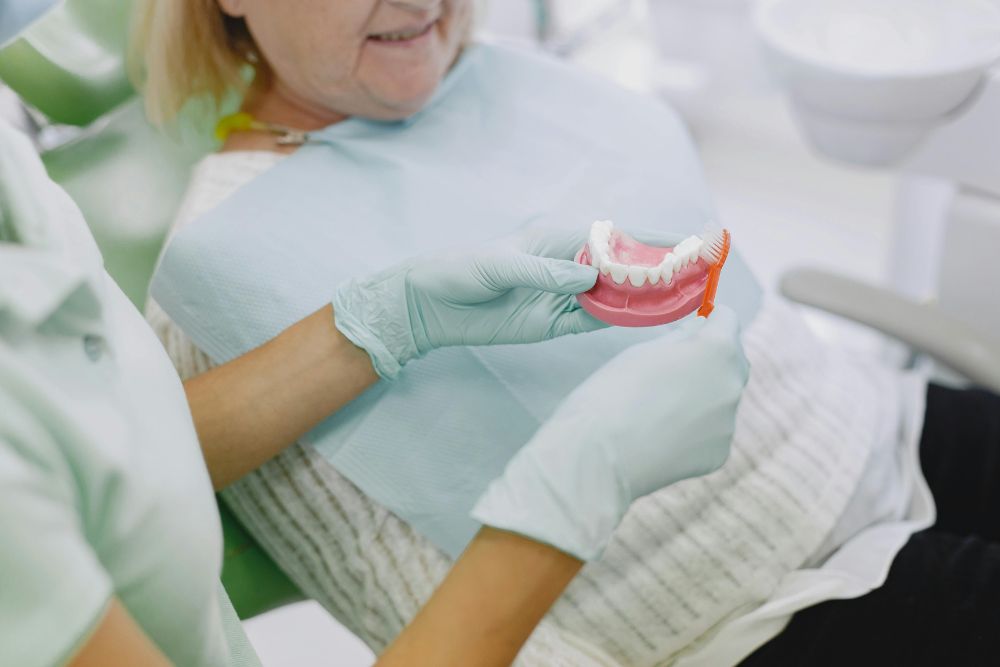
Early attention to these signs may help prevent further deterioration and reduce the impact on daily communication. Treatment outcomes vary depending on individual circumstances, and a personalised assessment from a qualified dental professional is the most reliable way to understand what may be causing the issue.

How Long Does It Take to Adjust After Denture Repairs?

Most people notice an improvement in speech comfort relatively quickly after denture repairs, but a short adjustment period is still common. The tongue needs time to relearn how to interact with the repaired or relined surface. Practising out loud reading aloud, repeating difficult sounds, or having conversations can help speed up the adjustment process. Most people find that any initial awkwardness settles within a week or two. If speech difficulties persist after the adjustment period, it may be worth returning to your dental professional for a follow-up assessment. There may be additional adjustments needed to optimise the fit further.

Frequently Asked Questions

Can loose dentures really cause a lisp or unclear speech?

Yes, loose dentures can contribute to speech difficulties. When dentures move during speech, the tongue does not have a consistent surface to push against, which disrupts the precise movements needed to form sounds like “s,” “f,” and “th.” Addressing the fit through relining or other repair options may help reduce these issues.

How often should dentures be checked to prevent speech problems?

It is generally advisable to have dentures assessed by a dental professional at least once a year, even if no obvious problems are present. The jaw and gum tissue naturally change over time, which can affect the fit of dentures before any discomfort becomes noticeable. Regular checks may help identify changes in fit early.

Are there exercises that can help improve speech while waiting for denture repairs?

Practising specific sounds and reading aloud can help the tongue and lips adapt while you are waiting for an appointment. However, these are not a substitute for professional denture repair. If the denture fit is the underlying cause of the speech issue, exercises alone are unlikely to fully resolve the problem.

What is the difference between a denture reline and a full denture replacement?

A reline involves adding new material to the fitting surface of an existing denture so that it adapts to the current shape of the gums. It is generally quicker and less costly than making a new denture. A full replacement is usually considered when the denture is too worn, damaged, or old to be reliably repaired. A dental professional can advise on which option may be more appropriate based on the condition of your current dentures.

Conclusion

Speech clarity is closely linked to denture fit and condition. When dentures wear down, crack, or no longer sit securely, the effects on communication can be subtle at first but they tend to become more noticeable over time.  Addressing these changes through timely denture repairs may help restore the stability and surface consistency that clear speech depends on. If you have been struggling with speech changes and suspect your dentures may be contributing, it is worth seeking a professional assessment.  At Dental Reflections Lower Hutt, the team can evaluate your current dentures and discuss repair or adjustment options that may help support clearer speech and greater comfort in everyday life. Treatment outcomes vary, and a personalised consultation is the best way to understand your options.
Dr. Mustafa Ali
Dr. Mustafa Ali

Mustafa Ali is a Clinical Dental Technician with 13+ years’ experience, trained at the University of Otago. As a trusted dental technician in Lower Hutt, he specialises in digital denture treatments using advanced 3D technology to create natural-looking smiles. Combining artistry with clinical skill, he focuses on restoring confidence and improving patients’ quality of life.

Leave a Reply

Your email address will not be published.Required fields are marked *