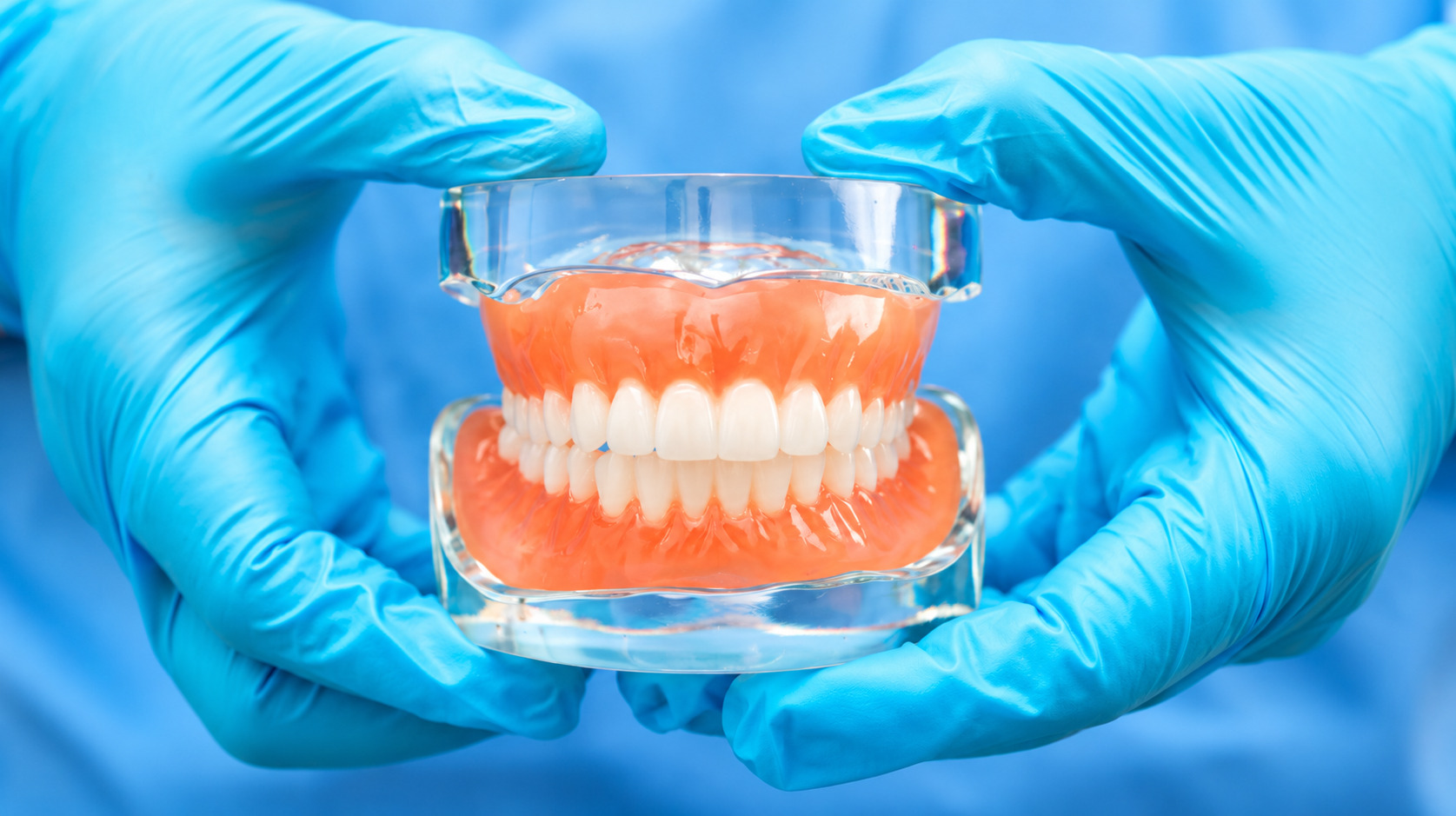
New dentures are custom-made, removable dental appliances that replace missing teeth, designed to fit the current shape of your gums and jaw. They can replace a full upper and lower set after tooth loss, or fill gaps where some natural teeth remain. A new set is made from fresh records of your mouth, not copied from an old denture.
Many people look into new dentures in Lower Hutt when an older set stops fitting well. Over time, the gums and bone structure under a denture slowly change shape, so a denture made years ago may not sit the way it once did.
Dental Reflections makes each denture with a gum-coloured base and colour-matched teeth chosen to suit your smile.
There are two main types. Full dentures replace every tooth in the upper or lower jaw. Partial dentures fill gaps and rest alongside your remaining teeth, helping stop the neighbouring teeth from drifting.
When Might You Need New Dentures?
You might need new dentures when your current set becomes loose, uncomfortable, worn or damaged, or when you have had further tooth loss. Small changes in your mouth over time can affect how a denture fits, how well you chew and how your smile looks.
Common signs include:
- Your denture feels loose or moves when you chew or speak
- You rely more on denture adhesive to keep it in place
- You notice sore spots or irritated gum tissue
- The denture teeth look worn, chipped or stained
- Your denture has cracked or been repaired several times
- You have had a recent tooth extraction or lost more natural teeth
- You are missing teeth and have never worn a denture before
During a consultation, our clinician at our denture clinic in Lower Hutt can check your current denture and talk through whether a new set suits your needs.
How the New Denture Procedure Works
The new denture procedure usually involves an assessment, impressions, design, fitting and follow-up visits. The number of appointments and the overall timeline depend on your mouth, the type of denture and whether any tooth extraction or healing time is needed first.
Benefits of New Dentures at Our Dental Clinic
New dentures may help improve comfort, chewing, speech and the look of your smile when an old set no longer fits well. Benefits vary from person to person and depend on your oral health and how you adjust to the new denture.
A new denture is made to match the current shape of your gums, which may reduce rubbing and movement. Many patients find a better fit means they rely less on denture adhesive.
The cost of new dentures depends on the type of denture, the materials used, how many teeth are being replaced and whether extra steps are needed first. Because every mouth is different, the clearest way to understand your cost is a personalised quote after an assessment.
Factors that can affect the cost include:
- A full upper and lower set, or a single full or partial denture
- The materials used for the denture base and teeth
- Whether a tooth extraction or healing time is needed first
- The number of fitting and adjustment appointments
- Implant-supported options, which involve extra implant treatment with a dentist
Dentures are often a lower-cost way to replace several missing teeth than placing a dental implant in each gap, though every case is different. If you have health insurance, check with your provider about what your policy may cover. As of 2026, our team can talk you through your options and the expected cost at your consultation, including an itemised estimate if you would like one, so you can decide what suits you before treatment begins.
Yes, we offer follow-up appointments after your new dentures are fitted. Small adjustments are common in the first few weeks, as your mouth settles and you get used to the feel and fit of the new denture.
Adjustments are a normal part of new denture fittings. If something rubs, feels high or moves when you chew, let our team know. We can check the fit and make changes to help improve comfort.
New dentures can change the way you speak at first, especially with sounds like “s”, “f” and “th”. This is common, and many people find their speech improves as the tongue, lips and cheeks get used to the new shape.
Reading aloud and practising tricky words at home may help. If speech changes continue after a few weeks, our team can check whether a small adjustment may help.
If your new dentures cause sore spots, book a review with your clinician rather than trying to adjust the denture yourself. Sore spots are common while your mouth adapts, and a small adjustment can often ease the pressure.
In the meantime, rinse with warm salt water, keep up good oral hygiene and give your gums a rest overnight. At Dental Reflections, we can look at the area and adjust the denture where needed.
Yes, Dental Reflections in Lower Hutt can guide you through wearing dentures for the first time. We explain what to expect, how to eat and speak with your new denture and how to clean it each day.
Start with soft foods cut into small pieces, chew on both sides and give yourself time. Adjusting takes a few weeks for many people, and follow-up visits are there to support you along the way.
New dentures can last several years, often around five to ten, but this varies with how they are cared for and how your mouth changes over time. Regular reviews help pick up changes in fit early.
Clean your denture daily with a soft brush and a denture cleaner rather than regular toothpaste, which can scratch the surface. A reline or repair may help extend the life of your denture between replacements.
Book a Dental Consultation at Dental Reflections Lower Hutt
If your denture no longer feels right, or you are thinking about a denture for the first time, a consultation is a good place to start. Our services include new dentures, denture relines and repairs. Our lead clinician, Mustafa Ali, is a Clinical Dental Technician who uses 3D scanning and digital design to plan each denture.
To book an appointment, visit us at 29 Kings Crescent, Lower Hutt, call 04 566 0627, or book online through our contact page. You can arrange your dental consultation today at a time that suits you. Treatment outcomes vary depending on individual circumstances, and a personalised treatment plan can be discussed at your appointment.