
Teeth grinding, known clinically as bruxism, is one of the more common causes of dental wear and damage in adults. It most often happens during sleep, so many people are unaware they do it until a dental professional notices the signs or symptoms start to appear.
A night guard is one of the most practical tools for managing the impact of grinding. But how exactly does it work, and what does it protect against? This guide explains the mechanism of protection and why consistent use of a well-fitted night guard can make a meaningful difference to long-term dental health.
Understanding the Problem: What Grinding Does to Teeth
Teeth grinding during sleep can produce stronger, more sustained forces than normal chewing. Over time, this can wear down enamel, expose sensitive dentine, and cause cracks, chips, or damage to restorations. Many people are unaware of the damage, as it develops gradually without obvious symptoms or immediate pain.
How a Night Guard Works
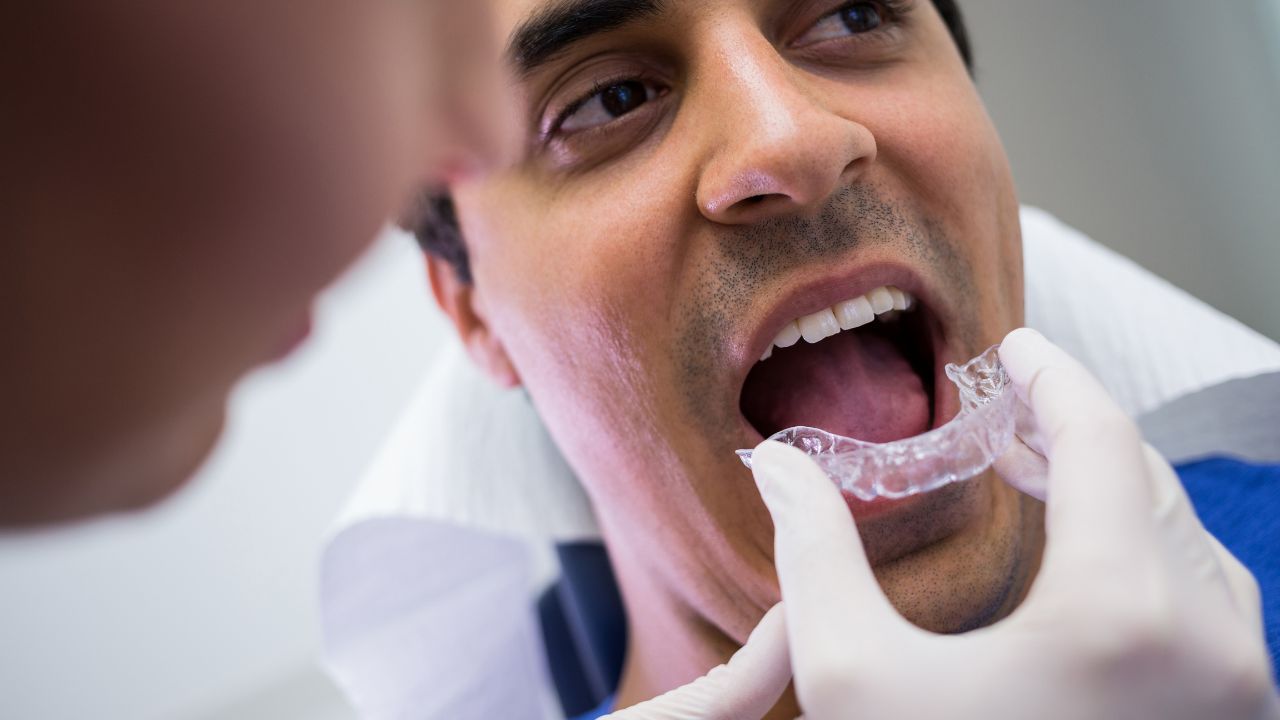
A night guard does not stop grinding from occurring. What it does is introduce a physical barrier between the upper and lower teeth so that the grinding forces act on the guard material rather than on the tooth surfaces themselves. This is the fundamental principle behind night guard protection, and it is a simple but effective one.
The guard material absorbs and distributes the load generated by the grinding habit. Rather than tooth enamel and existing restorations bearing that load, the guard, made from a purpose-designed dental material, takes it instead. The guard wears gradually over time as a result of this sustained contact, and periodic replacement is a normal part of long-term night guard use. The important point is that the guard wears rather than the teeth, preserving the natural tooth structure that cannot be replaced once lost. For patients using night guards in Lower Hutt, this gradual wear of the guard rather than the teeth is precisely the outcome the appliance is designed to achieve.
A well-fitted guard also ensures that the upper and lower teeth contact the guard surface in a balanced and even way. This distributes the grinding force more evenly across the entire arch rather than concentrating it on individual teeth or specific areas of the jaw, which reduces the risk of localised damage and strain on particular teeth or restorations.
What a Night Guard Protects
Natural Tooth Enamel
Enamel does not grow back once worn away. A night guard helps prevent further loss, protecting the remaining tooth structure and reducing the risk of sensitivity and decay over time.
Dental Restorations
Grinding can damage crowns, veneers, bridges, and fillings. A night guard helps protect these restorations, reducing the risk of costly repairs and preserving existing dental work.
Jaw Muscles and the Jaw Joint
A well-fitted night guard supports a balanced jaw position, helping reduce muscle strain, jaw discomfort, and morning headaches linked to grinding.
Sleep Quality
Grinding can disturb sleep and affect comfort at night. Using a night guard may help reduce disruptions and support more restful sleep for some patients.
Why Fit Matters for Effective Protection
A night guard only works as intended if it stays in the correct position throughout the night and provides consistent coverage over the teeth. A guard that is too loose may shift during sleep, leaving areas of the teeth exposed or creating an unbalanced bite relationship as the guard moves out of position. A guard that is too bulky or uncomfortable is likely to be removed during the night or abandoned altogether, which eliminates its protective benefit entirely.
At Dental Reflections, custom night guards are fabricated from a precise digital scan of the patient’s teeth. The guard is formed to fit the exact contours of each individual tooth surface, ensuring it seats securely and covers every tooth consistently. This level of precision is not achievable with a boil-and-bite pharmacy guard, which only approximates the shape of the teeth through a self-moulding process.
The bite surface of a custom guard is also designed so that the upper and lower teeth contact it in a balanced and controlled way. This is a clinically important detail because an uneven bite through the guard can place asymmetrical forces on the jaw joint and muscles, potentially contributing to discomfort rather than reducing it. Consistent nightly use of a well-fitted guard is what delivers meaningful protection over time, and any dentist in Lower Hutt will confirm that fit is the single most important factor in how effective a night guard proves to be.
What to Expect From a Night Guard Consultation
At Dental Reflections, a night guard consultation starts with assessing signs of grinding and tooth wear. A digital scan is taken to create a precise fit, and the guard is carefully adjusted for comfort and balance. Free consultations are available, helping patients understand their condition and suitable treatment options.
Frequently Asked Questions
How quickly does grinding damage teeth?
The rate of damage depends on the severity of the grinding habit. Mild, infrequent grinding may cause very gradual wear over many years that remains relatively minor. Severe bruxism involving heavy, sustained grinding through multiple nights per week can cause visible and measurable wear within months. Because grinding typically occurs during sleep and the patient is unaware of it, significant damage can accumulate before any symptoms draw attention to the habit. This is one of the reasons why routine dental check-ups are valuable for identifying bruxism-related wear early.
Will wearing a night guard stop me from grinding?
A night guard does not stop the grinding habit itself. What it does is protect the teeth from the damage the habit would otherwise cause by providing a sacrificial barrier between the tooth surfaces. Some patients find that the presence of the guard reduces the intensity of grinding activity over time, but this varies considerably between individuals and is not a reliable outcome. Managing the underlying contributing factors, such as stress and sleep quality, may help reduce the grinding habit alongside the mechanical protection a guard provides.
Can a night guard help with jaw pain and headaches?
Many patients experience a meaningful reduction in jaw muscle soreness, facial pain, and morning headaches after consistently using a well-fitted night guard. This is because the guard reduces the mechanical load on the jaw muscles during grinding and allows the jaw to rest in a more neutral and comfortable position during sleep. Outcomes vary between individuals depending on the severity of the grinding habit and other contributing factors. A consultation at Dental Reflections will help identify whether a night guard is appropriate for your specific symptoms and what improvement you might realistically expect.
Do I need a separate guard for the top and bottom teeth?
In most cases, a night guard is made for either the upper or the lower teeth, not both simultaneously. The choice of which arch to fit the guard depends on clinical factors including the position and alignment of the teeth, the patient’s bite, and any specific concerns about particular restorations that may be especially vulnerable to grinding forces. Your dental technician at Dental Reflections will advise on the most appropriate approach for your individual situation.
Final Thoughts
A night guard is a straightforward but effective tool for protecting teeth from the cumulative damage caused by grinding. By providing a sacrificial barrier between the tooth surfaces, it preserves natural enamel that cannot be replaced, protects existing restorations from premature wear and fracture, and may help reduce the jaw muscle strain and discomfort that many patients with bruxism experience.
The protection a night guard provides is only as reliable as its fit and the consistency with which it is worn. A custom-fitted guard fabricated from a precise model of your teeth offers meaningfully better protection than a pharmacy alternative and is considerably more likely to be worn consistently given the improved comfort and stability it provides.
If you are in Lower Hutt, Upper Hutt, or Wainuiomata and would like to find out whether a custom night guard is appropriate for you, the team at Dental Reflections offers free consultations and uses modern digital scanning and moulding technology to produce a precisely fitted device.
Source Urls: