
Bruxism is the clinical term for teeth grinding or clenching, a habit that most commonly occurs during sleep and often goes unnoticed until damage begins to appear or symptoms become difficult to ignore. It is more common than many people realise, and the consequences of leaving it unmanaged can be significant.
If you have been told you might have bruxism, or if you are experiencing symptoms that suggest it, understanding what it is and why a professional response is recommended is the first step toward protecting your teeth and jaw.
What Is Bruxism?
Bruxism is the involuntary grinding, clenching, or bracing of teeth and occurs in two forms. Sleep bruxism happens during sleep, often without awareness, and may go unnoticed until signs appear or a partner hears grinding. Awake bruxism occurs during the day, commonly linked to stress or concentration, with partial awareness.
Both types can damage teeth and strain the jaw. However, sleep bruxism usually involves stronger forces due to reduced muscle control during sleep, making it more harmful. For this reason, it is often considered more clinically significant and is commonly managed with a night guard to reduce long-term dental damage.
What Causes Bruxism?
The precise cause of bruxism is not fully understood, and current evidence suggests it is influenced by a combination of factors rather than a single identifiable cause. Psychological factors including stress, anxiety, frustration, and tension are commonly associated with both sleep and awake bruxism, and many patients notice their grinding is more pronounced during periods of heightened stress or emotional difficulty.
Genetic factors also appear to play a role, as bruxism tends to run in families and there is evidence of a hereditary component. Neurological factors are relevant too, with bruxism being associated with certain neurological conditions and medications. Lifestyle factors such as high caffeine intake, alcohol consumption, and smoking have been linked to increased grinding activity in some studies.
Sleep disorders also contribute to the picture. Bruxism is more common in people who experience sleep apnoea and other sleep disturbances, and in some patients addressing the underlying sleep disorder can reduce the severity of the grinding. Because multiple factors are involved, managing bruxism effectively typically requires a combination of protective measures, including a bruxism night guard in Lower Hutt, alongside efforts to identify and reduce contributing factors where possible.
How Is Bruxism Identified?
Bruxism is often detected during routine dental exams, though a partner may notice grinding sounds first. Many patients are unaware until shown visible wear. Dentists look for flattened biting surfaces, polished wear areas, chipped or cracked teeth, increased sensitivity, and enlarged jaw muscles. These signs indicate ongoing grinding and its impact.
By assessing the pattern and severity of wear, the dentist can estimate how long bruxism has been present and how much damage has occurred. This evaluation helps guide treatment decisions and determine the level of protection needed to prevent further harm and preserve long-term oral health.
What Can Bruxism Lead to If Left Unmanaged?
Unmanaged bruxism causes progressive dental damage and worsening physical symptoms over time. Enamel gradually wears away, exposing softer dentine, which increases sensitivity and risk of decay.
Continued grinding can lead to cracked or fractured teeth, sometimes requiring crowns or even extraction. Existing restorations such as fillings, crowns, and veneers may also fail sooner under constant pressure.
Beyond tooth damage, bruxism often causes jaw pain, morning stiffness, and frequent headaches, especially around the temples. In some cases, it can affect the jaw joint, leading to discomfort and reduced function. Without proper management, these issues tend to worsen and impact overall comfort and daily life.
Why a Professional Night Guard Is the Recommended Response
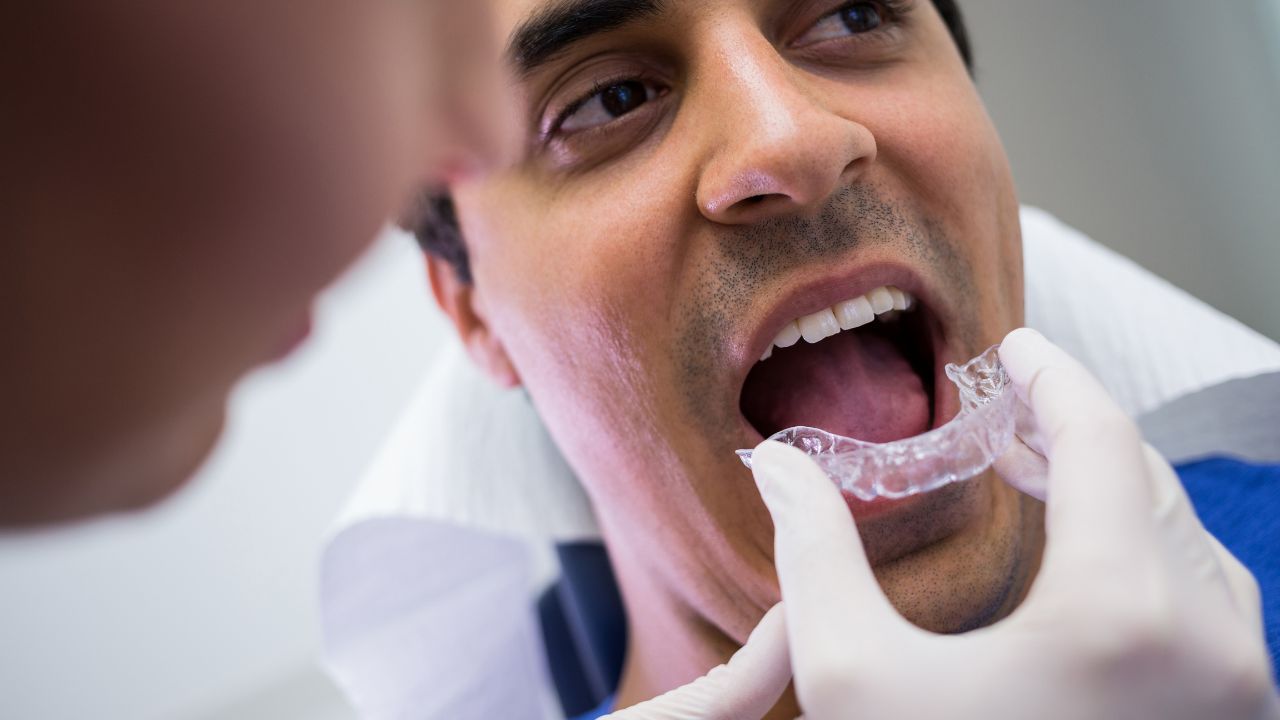
A night guard for bruxism creates a protective barrier between teeth, reducing the impact of grinding forces. Many patients visiting a dentist in Lower Hutt are advised to use one, as it helps prevent ongoing damage. Without protection, grinding can lead to wear that builds up over time and cannot be reversed.
The reason a professionally made custom guard is recommended over a pharmacy boil-and-bite alternative comes down to fit, function, and protection. A custom guard is fabricated from a precise digital model of the patient’s own teeth, meaning it fits every tooth surface accurately and seats securely during sleep. Because it fits well, it stays in place rather than dislodging, which is a common problem with self-fitted pharmacy guards and one of the main reasons they tend to be abandoned.
The bite surface of a custom guard is also designed so that the upper and lower teeth contact the guard evenly. This is an important clinical consideration because a guard that creates uneven contact between the upper and lower jaws can place asymmetrical strain on the jaw muscles and joint, potentially contributing to discomfort rather than relieving it. Custom guards are made from clinical-grade materials appropriate for sustained nightly use, making them considerably more durable than most pharmacy options and better suited to the demands of regular grinding over an extended period.
What to Expect From a Bruxism Consultation
A consultation at Dental Reflections begins with a thorough assessment of the teeth for signs of bruxism-related damage. The extent and pattern of wear is evaluated, and the masseter muscles may be examined for signs of hypertrophy from prolonged overuse. This clinical picture informs the design of the management plan and ensures that the night guard is appropriate for the level and pattern of grinding present.
Digital scanning is used to create a precise model of the patient’s teeth, from which the custom night guard is fabricated using pressure moulding technology. The finished guard is fitted at a subsequent appointment, with adjustments made as needed to ensure comfort and a balanced bite surface. Follow-up appointments allow the fit and condition of the guard to be monitored over time.
The consultation also provides an opportunity to discuss contributing factors and any other aspects of the patient’s situation that may be relevant to their bruxism. Dental Reflections offers free consultations at all three clinic locations in Lower Hutt, Upper Hutt, and Wainuiomata, making it straightforward to take the first step toward understanding your situation and getting the protection your teeth need.
Frequently Asked Questions
Can Children Have Bruxism?
Bruxism is common in children and often resolves as they grow. Monitoring is usually enough, but persistent cases in older children may require professional advice or treatment.
Is Bruxism Linked to Stress?
Stress is a common factor in bruxism. Managing stress alongside using a night guard can help reduce grinding and protect teeth more effectively.
Can Bruxism Be Cured?
There is no intended cure for bruxism. Treatment focuses on managing symptoms, protecting teeth, and addressing contributing factors over time. Suitability, timelines, risks, costs, and outcomes vary and will be discussed during consultation.
What Should I Do If I Think I Might Have Bruxism?
If you notice symptoms like jaw pain or tooth wear, a dental check-up can confirm the issue and guide the right treatment approach.
Conclusion
Bruxism is a common condition that, left unmanaged, can cause cumulative and sometimes significant dental damage over time. The enamel lost to grinding does not grow back, and the damage that accumulates can require increasingly complex and costly dental treatment to address. Understanding what bruxism is, what contributes to it, and why a professionally fitted night guard is the most effective protective measure available is the foundation of a sensible management approach.
A custom night guard does not resolve the underlying habit, but it provides meaningful and reliable protection against the damage that the habit would otherwise cause to your teeth, restorations, and jaw over time. Combined with attention to contributing factors and regular monitoring by your dentist in Lower Hutt, it forms the core of an effective long-term management plan.
If you are in Lower Hutt, Upper Hutt, or Wainuiomata and are concerned about grinding or clenching, the team at Dental Reflections is available for a free consultation to assess your teeth and discuss your options in detail.
Source Urls: