
What Is a Denture Reline?
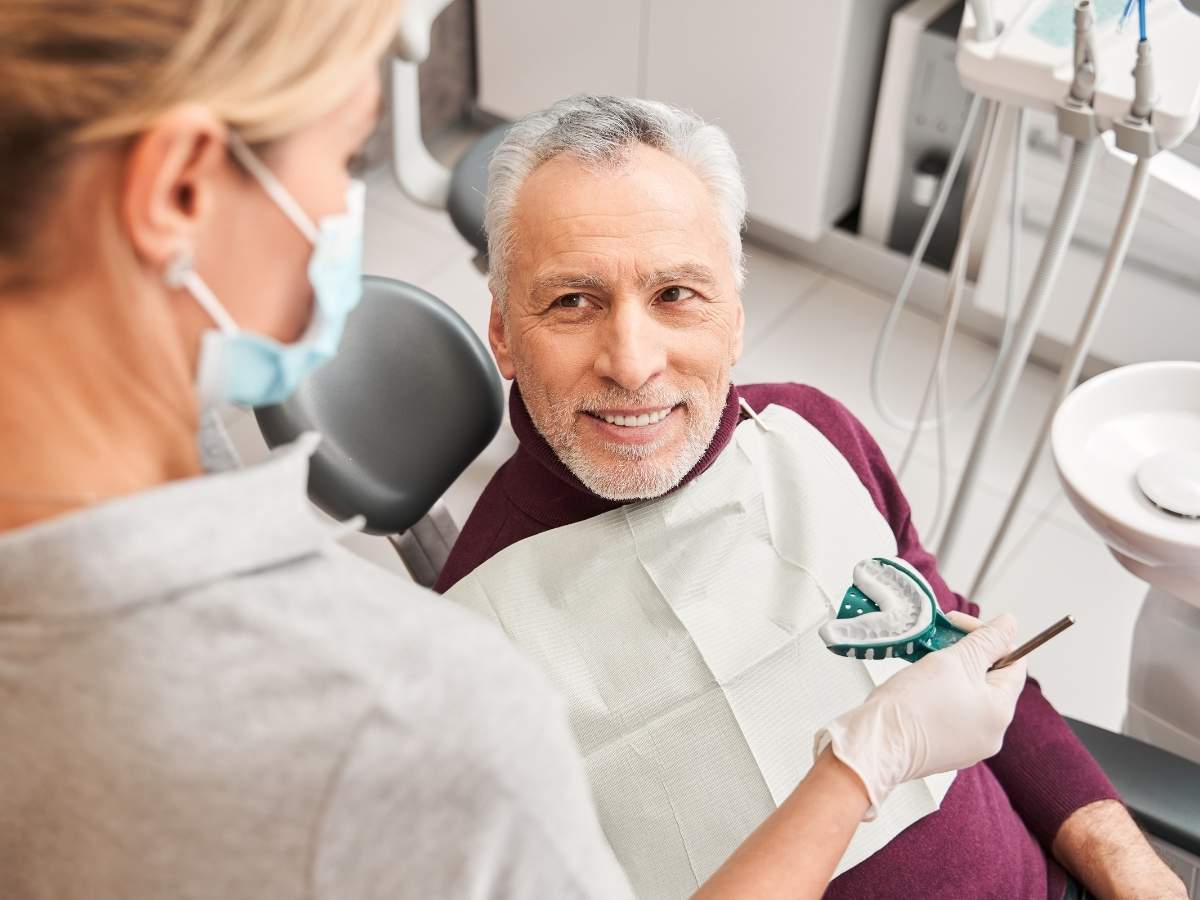
A denture reline is a procedure that reshapes the inner surface of your denture so that it fits more closely against your gum tissue. It does not change the appearance of your denture, only the fit. Over time, the bone and soft tissue in your jaw naturally change shape. This is a normal process that happens to everyone who has had teeth removed. As a result, dentures that once fit well can gradually become loose or ill-fitting. For those seeking denture relines in Lower Hutt, this straightforward procedure fills in the gap between the denture and your gum, restoring a more comfortable and secure fit. It is generally quicker and more affordable than replacing your dentures entirely. There are two main types:Chair-Side Reline
This is done in a single appointment and uses a soft or hard material to refit the denture on the spot. It is a convenient option for many patients.Laboratory Reline
The denture is sent to a dental laboratory for more precise work. This may take a few days but can produce a more durable result in some cases. Your dental professional will advise which option is most appropriate for your situation.Common Signs Your Dentures May Need a Reline
1. Your Dentures Feel Loose or Move Around
If your dentures shift when you eat, speak, or even just open your mouth, this is one of the most obvious signs that the fit has changed. Loose dentures can make eating difficult and speaking feel awkward. Some people find themselves using more denture adhesive to compensate but adhesive is not a long-term solution for a poor fit. If you are relying heavily on adhesive just to keep your dentures in place, it may be time to book an assessment.2. You Have Developed Sore Spots on Your Gums
Dentures that no longer fit properly can cause friction and pressure in certain areas of your mouth. This often leads to sore spots, irritation, or even small ulcers on the gums. If you notice persistent soreness particularly after eating or at the end of the day it is worth having your dentures checked. Ongoing irritation can sometimes lead to more significant gum issues if left unaddressed.3. Chewing Has Become More Difficult
Well-fitting dentures should allow you to chew most foods comfortably. If you are finding it harder to eat, or if you are avoiding certain foods because of discomfort or instability, this may indicate that your denture fit has changed. Difficulty chewing can also affect your nutrition over time, particularly for older patients who may already have dietary considerations to manage.4. You Have Had Your Dentures for Several Years Without Adjustments
Dentures do not last forever without maintenance. Most dental professionals recommend having your dentures checked every one to two years, even if they feel reasonably comfortable. Bone resorption: the gradual loss of jawbone after tooth extraction is a slow process. You may not notice significant changes until the fit has deteriorated quite a bit. Regular check-ups allow any issues to be caught and addressed early. As a general guide, a reline may be needed every two to four years, though this varies depending on the individual.5. Your Bite Has Changed or Your Face Shape Looks Different
If you notice that your upper and lower teeth no longer meet the way they used to, or that your facial appearance seems to have changed, such as a more sunken look around the mouth, these can be signs that bone changes are affecting how your dentures Lower Hutt patients rely on may need professional attention. Speaking with a dental professional about these changes is a sensible next step. If you are looking for dentures in Lower Hutt providers, your dental team can assess your fit and advise on the most appropriate course of action. Changes to your bite can also cause strain on your jaw joints and muscles, leading to discomfort or headaches in some cases.6. Your Dentures Make Clicking or Clacking Sounds
Noises when eating or speaking are a common complaint when dentures begin to loosen. If your dentures click or move audibly, this is worth mentioning to your dental provider.Why Timely Attention Matters
Many people put off getting their dentures adjusted because they feel it is not urgent, or because they have simply got used to the discomfort. However, leaving ill-fitting dentures unaddressed can lead to a range of issues over time:- Accelerated bone loss: Poorly fitting dentures can place uneven pressure on the jawbone, which may contribute to further bone resorption.
- Gum damage: Ongoing friction can cause damage to the soft tissue in your mouth.
- Digestive issues: Difficulty chewing properly can affect digestion and nutritional intake.
- Reduced quality of life: Discomfort and self-consciousness can affect how confident you feel in social situations.