
Why Dentures Lose Their Fit Over Time
When natural teeth are removed, the jawbone and gum tissue begin to change shape. This process, known as bone resorption, is gradual but ongoing. It means that even a denture that fitted well initially may begin to feel loose after months or years of use. Other factors that can affect fit include:- Changes in body weight
- Natural ageing of gum tissue
- Wear on the denture material itself
- Shifts in remaining teeth (for partial dentures)
What Is a Denture Reline?
A denture reline is a procedure where the inner surface of your denture, the part that sits against your gums is reshaped or rebuilt to match the current contour of your mouth. Rather than replacing the entire denture, the outer structure and teeth remain in place. Only the fitting surface is adjusted, making it a more conservative and affordable option in many cases. There are three main types of relines:Hard Relines
A hard reline uses a durable acrylic material to permanently refit the denture base. This is typically done in a dental laboratory and may require leaving your denture for a day or two. Hard relines tend to last several years and provide a stable, long-term solution.Soft Relines
A soft reline uses a pliable, cushioning material that is gentler on sensitive gum tissue. This option may be recommended for patients who experience ongoing soreness or have gums that are prone to irritation. Soft reline materials generally need to be replaced more frequently than hard reline materials.Temporary (Chair-Side) Relines
A chair-side reline is completed in a single appointment using a softer material. It is often used as a short-term measure to improve comfort while waiting for a full reline or new denture, or to allow sore gum tissue to heal before a more permanent adjustment is made.How Does a Reline Improve Denture Fit?
When the inner surface of a denture is relined, it is remoulded to follow the shape of your current gum ridge rather than the one you had when the denture was first made. This closer contact between the denture and gum tissue means:- Less movement: the denture is less likely to shift when you eat or speak
- More even pressure: load is distributed across a broader area rather than concentrated on certain points
- Reduced sore spots: a better-fitting surface reduces friction and irritation
- Improved confidence: many patients report feeling more at ease in social situations after a reline
Signs You May Need a Denture Reline
Not every loose or uncomfortable denture requires a full replacement. A reline may be appropriate if:- Your denture feels noticeably looser than it used to
- You need to use more denture adhesive to keep it in place
- You have developed recurring sore spots or pressure areas
- Your denture clicks or moves when you chew
- It has been two or more years since your last reline

What to Expect During the Reline Process
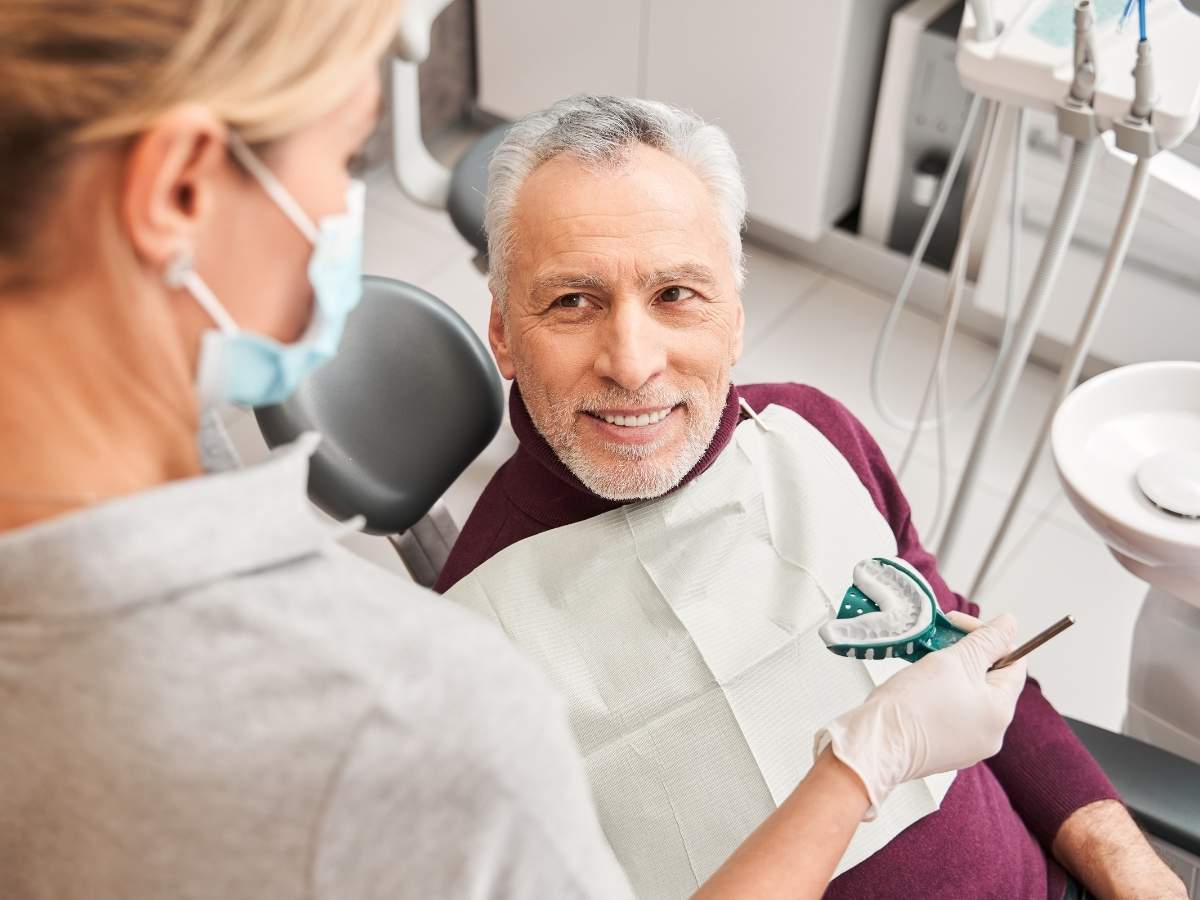
The process varies depending on the type of reline your dentist or dental prosthetist recommends. For a hard reline, impressions of your current gum tissue are taken using the existing denture as a tray. These impressions are sent to a laboratory where a technician rebuilds the fitting surface with new acrylic. The adjusted denture is then returned and fitted at a follow-up appointment. For a chair-side or soft reline, the material is applied and shaped during your visit. Your dentures Lower Hutt dental professional will check the fit, bite, and comfort before you leave. In both cases, some minor adjustments may be needed at a follow-up appointment as you settle into the new fit.How Often Should Dentures Be Relined?
There is no fixed schedule that applies to everyone. Factors such as age, bone density, overall health, and how much the jawbone has changed will all influence how frequently a reline is needed. As a general guide, many dental professionals recommend having your dentures reviewed every one to two years, even if they feel comfortable. Regular check-ups allow early detection of fit changes before they cause significant discomfort or tissue damage. Your dentist or dental prosthetist can assess your individual situation and advise on an appropriate review schedule.Frequently Asked Questions About Denture Relines
How long does a denture reline last?
The lifespan of a reline depends on the type of material used and how much your mouth continues to change. Hard relines typically last two to four years. Soft relines may need to be replaced every one to two years as the material can degrade more quickly with regular use and cleaning. Your dental professional will advise on when a replacement reline is likely to be needed.Can I have my dentures relined if they are very old?
It depends on the overall condition of the denture. If the teeth are worn down, the base is cracked, or the denture has been relined several times already, a new denture may be a more practical option. A dental professional can assess whether a reline is suitable or whether replacement would serve you better in the long run. Treatment recommendations are always based on individual circumstances.Will a reline change how my dentures look?
In most cases, no. A reline only changes the inner fitting surface of the denture, not the visible teeth or outer shape. The aim is to improve comfort and stability while keeping the appearance the same.Is a denture reline painful?
The reline procedure itself is not typically painful. Some patients may experience minor sensitivity or adjustment discomfort in the days following a reline, particularly if the gum tissue was already sore before the procedure. Your dental professional can advise on how to manage any short-term tenderness and will recommend a follow-up if needed.Conclusion
Loose or uncomfortable dentures can affect daily life in ways that go beyond physical discomfort. Eating, speaking, and socialising with confidence all depend on a denture that fits well and feels secure. A reline is often one of the most straightforward ways to restore that fit and extend the life of your existing denture. If you have noticed changes in how your dentures feel, speaking with a dental professional is a sensible first step. The team at Dental Reflections Lower Hutt can assess your current fit and help you understand whether a reline or another option may be appropriate for your needs. Individual outcomes vary, and a personalised consultation is the best way to explore what is right for you.
Mustafa Ali is a Clinical Dental Technician with 13+ years’ experience, trained at the University of Otago. As a trusted dental technician in Lower Hutt, he specialises in digital denture treatments using advanced 3D technology to create natural-looking smiles. Combining artistry with clinical skill, he focuses on restoring confidence and improving patients’ quality of life.