
Why Is Proper Cleaning Important for Full Dentures?

Why Is Proper Cleaning Important for Full Dentures?
If you wear full dentures in Lower Hutt, you already know how much they can improve everyday life from eating comfortably to speaking with confidence. But many people are surprised to learn that dentures require just as much care and attention as natural teeth. Proper cleaning is one of the most important habits you can build as a denture wearer. Without a consistent routine, bacteria, fungi, and food debris can build up on the surface of your dentures. Over time, this may lead to mouth soreness, bad breath, gum problems, and even oral infections. This guide explains why cleaning your full dentures matters, what can happen if you skip it, and how to care for them properly every day.

What Happens If You Don’t Clean Your Dentures Regularly?

Many people assume that because dentures are not natural teeth, they do not need the same level of daily care. This is a common misunderstanding. Dentures sit directly against the soft tissues of your mouth. If they carry bacteria or fungi, those microorganisms come into contact with your gums and palate throughout the day. This can cause irritation, inflammation, and discomfort. One condition linked to poor denture hygiene is denture stomatitis, a fungal infection that causes redness and soreness in the mouth, particularly under the upper denture. For anyone wearing full dentures in Lower Hutt, it is worth knowing this condition is more common than many people realise and is largely preventable with proper cleaning habits. Food particles that remain on dentures can also break down and create unpleasant odours. Cleaning your dentures daily helps keep your breath fresh and your mouth feeling clean.

How Does Plaque Build Up on Dentures?

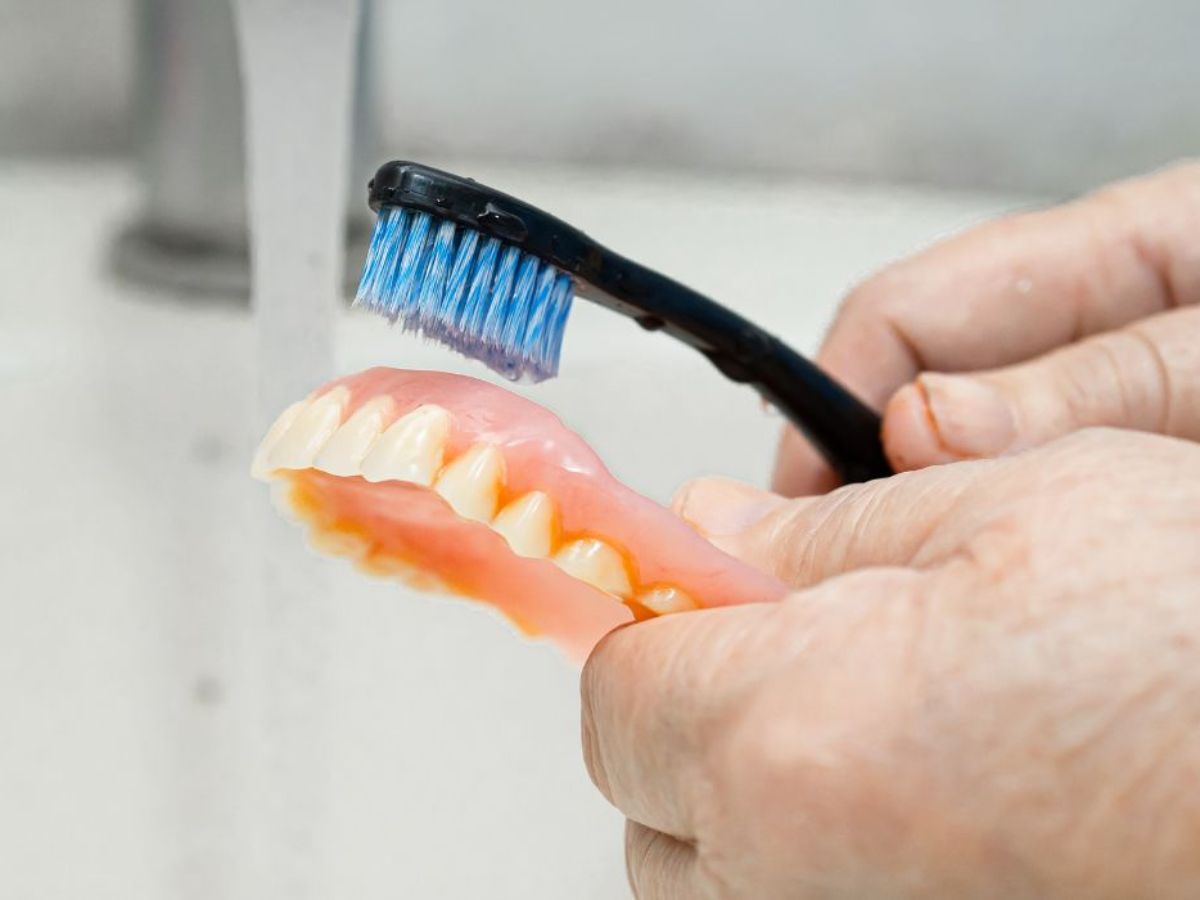
Just like natural teeth, dentures can develop a layer of plaque, a sticky film of bacteria if they are not cleaned thoroughly. Over time, plaque can harden into tartar-like deposits that become more difficult to remove at home. This build-up may affect the fit of your dentures, making them feel slightly different or less stable over time. It can also stain the denture material, leaving them looking discoloured or dull. Brushing your dentures gently each day with a soft denture brush helps remove plaque before it accumulates. Using plain water or a denture-specific cleanser rather than regular toothpaste, which can be too abrasive helps protect the material of your dentures.

What Is the Right Way to Clean Full Dentures?

Daily Brushing

Brush your dentures at least once a day using a soft-bristled denture brush. Be gentle and thorough, covering all surfaces including the side that sits against your gums. Avoid using regular toothpaste, as it contains abrasives that can cause tiny scratches on the denture surface. These scratches can harbour bacteria and make staining worse over time.

Soaking Overnight

Most full dentures should be kept moist when not in use to maintain their shape. Soaking them overnight in plain water or a denture-soaking solution helps loosen debris and keeps them from drying out. Always follow the manufacturer’s instructions for any soaking product you use, and rinse your dentures thoroughly with water before putting them back in your mouth.

Rinsing After Meals

If possible, rinse your dentures after eating to remove loose food particles. This is a simple habit that makes a noticeable difference in daily oral cleanliness.

Should You Still Care for Your Gums When Wearing Full Dentures?

Yes, absolutely. Even if you no longer have natural teeth, your gum health still matters. Your gums support your dentures and play a role in how well they fit. Gently brushing your gums, tongue, and the roof of your mouth with a soft brush each morning helps stimulate circulation and remove bacteria.  For anyone attending a dentures clinic in Lower Hutt, this simple habit is often encouraged as it helps keep the tissues healthy and reduces the risk of soreness or infection. Giving your gums a break from dentures at night ideally while soaking them is generally considered good practice. It allows your oral tissues to recover from the pressure of wearing dentures throughout the day.

How Often Should Full Dentures Be Checked by a Dental Professional?

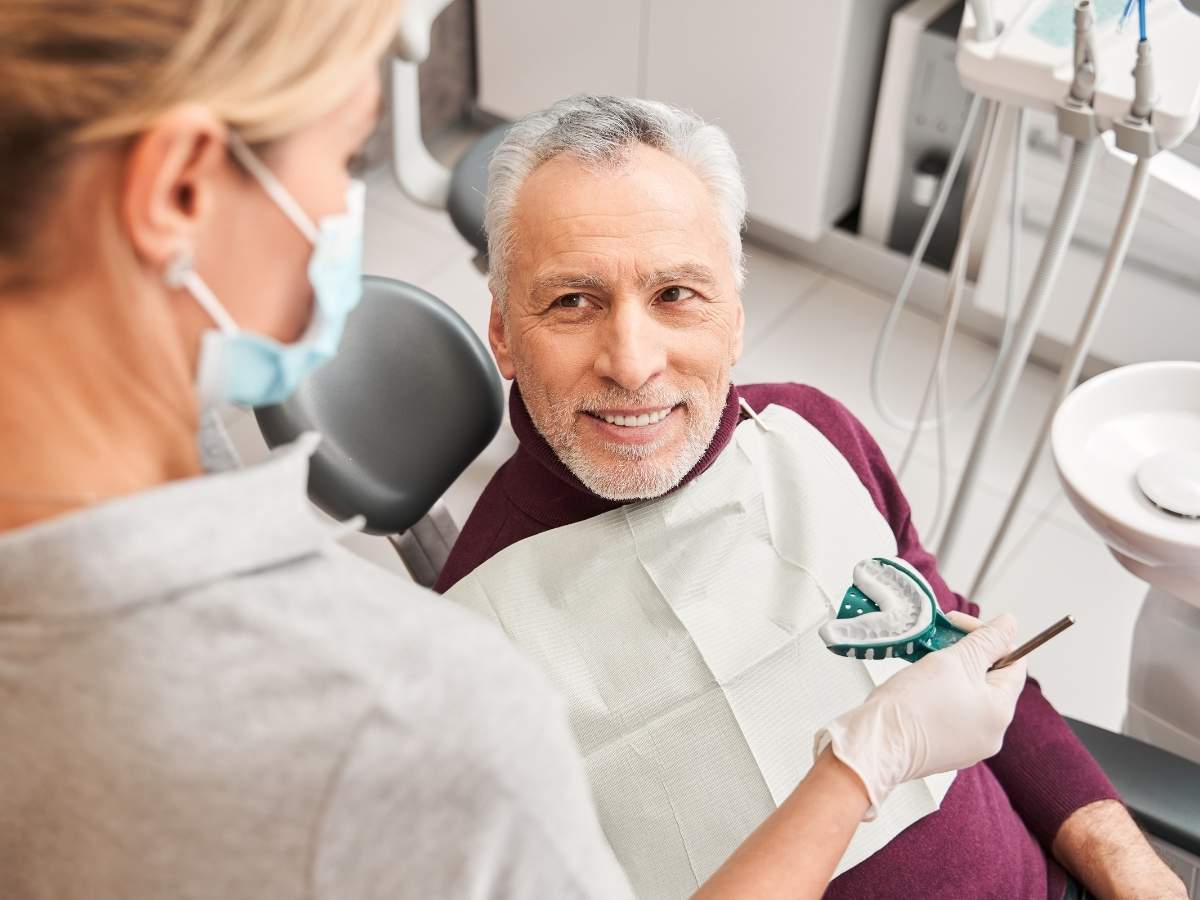
Even with excellent home care, full dentures benefit from regular professional check-ups. Over time, the shape of your jaw and gum tissue can change especially in the years following tooth loss. These changes may affect how well your dentures fit. A poorly fitting denture can cause rubbing, pressure sores, or difficulty chewing. It may also increase the risk of bone loss in the jaw. Having your dentures and mouth assessed regularly allows any changes to be identified early. During a check-up, a dental professional can also clean your dentures more thoroughly and check for signs of wear or damage that may not be obvious at home.

Frequently Asked Questions About Full Denture Care

Can I use regular toothpaste to clean my dentures?

It is generally not recommended. Most regular toothpastes contain mild abrasives designed for tooth enamel, which is much harder than full denture materials. Using them on dentures may cause fine scratches that make it easier for bacteria and stains to build up. Denture-specific cleansers or plain water with a soft denture brush are considered more appropriate options.

How long should I soak my dentures overnight?

Soaking duration varies depending on the product used. Plain water is a safe and simple option for overnight soaking. If you use a denture-soaking tablet or solution, always follow the product’s instructions. Most solutions are designed for a few hours of soaking, and some are not suitable for extended use. Always rinse your dentures well before wearing them again.

What are the signs that my dentures need professional attention?

Signs that your dentures may need to be assessed include increased soreness or pressure in the mouth, difficulty chewing or speaking, visible cracks or chips in the denture, a noticeable change in fit, or persistent bad breath despite regular cleaning. If you notice any of these, it is worth booking an appointment with a dental professional rather than waiting for your next routine visit.

Is it normal for my dentures to feel loose over time?

Some change in denture fit over time is not uncommon. As the jawbone gradually reshapes after tooth loss, the way dentures sit against the gum may shift. If your dentures are feeling noticeably looser or less stable, a dental professional can assess whether an adjustment or reline may help improve comfort and function.

Conclusion

Proper daily cleaning is one of the most important things you can do to protect your oral health when wearing full dentures. It helps prevent infections, keeps your gums healthy, maintains fresh breath, and extends the life of your dentures. Good habits brushing, soaking, and rinsing consistently make a real difference over time. Pairing these with regular professional check-ups helps ensure your dentures continue to fit well and your mouth stays comfortable. If you have questions about caring for your full dentures in Lower Hutt, the team at Dental Reflections Lower Hutt is available to help. Personalised advice and professional assessments can be discussed during a consultation to support your long-term oral health.
Dr. Mustafa Ali
Dr. Mustafa Ali

Mustafa Ali is a Clinical Dental Technician with 13+ years’ experience, trained at the University of Otago. As a trusted dental technician in Lower Hutt, he specialises in digital denture treatments using advanced 3D technology to create natural-looking smiles. Combining artistry with clinical skill, he focuses on restoring confidence and improving patients’ quality of life.

Related Posts
Leave a Reply

Your email address will not be published.Required fields are marked *