
At a Glance
- Teeth help shape sounds like “s”, “f”, “v”, “th” and “ch”, so missing teeth can affect how clearly you speak.
- Well-fitted full dentures can give the tongue and lips support again, which may help with pronunciation.
- New dentures often feel bulky at first, and an adjustment period is normal.
- Reading aloud and practising tricky words may help your mouth adapt.
- Ongoing clicking, slipping or lisping may mean your dentures need checking, adjusting or relining.
How Do Missing Teeth Affect Your Speech?
Missing teeth can affect speech because many sounds are made when the tongue or lips touch the teeth. Without that contact point, air may escape in the wrong direction, which can lead to lisping, whistling or less clear words. If you have noticed these changes, a visit to a full denture clinic in Lower Hutt can help you understand your options. The front teeth play a key role. Sounds like “th” needs the tongue to rest just behind or between the upper front teeth. Sounds like “f” and “v” are made when the lower lip touches the upper teeth. When those teeth are missing, these sounds can become blurred or harder to say. Missing teeth can also affect the face over time. Without teeth, the jawbone that once supported them can gradually shrink, and the lips and cheeks may lose some of their natural support. This can change how your mouth moves when you talk. Speech changes can affect confidence too. Some people speak less in social settings, cover their mouth when talking, or avoid phone calls. Talking to a dental professional about tooth loss sooner rather than later may help you understand what options suit you.Can Full Dentures Improve the Way You Speak?
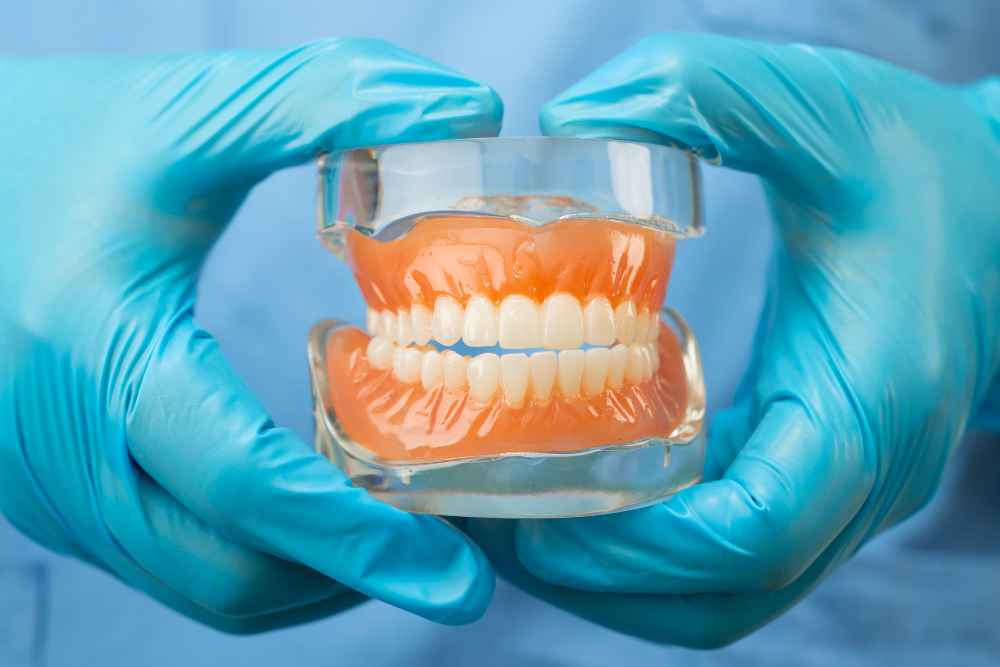
For many people, full dentures may help support clearer speech. By replacing missing teeth, they give the tongue and lips a surface to press against again. This may help with sounds such as “s”, “f”, “v” and “th”. Results vary from person to person and depend on factors such as fit and the shape of your gums and jaw. A full denture is a removable set of artificial teeth set into a gum-coloured base that replaces all the teeth in the upper jaw, lower jaw, or both. The upper denture also covers the roof of the mouth, which is part of why it can feel unusual when it is first fitted. Fit plays a significant role in speech. A denture that sits securely allows your tongue to move more naturally without needing to hold the denture in place. A loose denture can slip or click when you talk, which may make speech harder rather than easier. This is why measurements, bite records and try-in appointments matter. At Dental Reflections, we provide full denture services, from new dentures through to refits and relines, and each denture is designed to suit the shape of your mouth as closely as possible. Visiting a full denture clinic in Lower Hutt gives you the chance to have your fit, bite and tooth position checked during the process. Dentures are common in later life. A Ministry of Health report on the LiLACS NZ study, which followed people of advanced age in the Bay of Plenty, found that about three in four participants wore full or partial dentures. Poorly fitting dentures and missing teeth were the most common reasons participants gave for difficulty chewing, which suggests fit matters for everyday function.Why Do New Full Dentures Feel Strange When Talking?
New full dentures often feel strange because your mouth needs time to adjust to something new. The tongue, cheeks and lips must learn to work around the denture base, and many people notice extra saliva, a slight lisp or a feeling of fullness in the early weeks. The upper denture covers the palate, which your tongue uses as a guide for many sounds. With a thin layer of acrylic in place, your tongue has to relearn where to touch. This is why words with “s” and “t” may sound slightly different at first. Extra saliva is also common. Your mouth may respond to a new denture as if it were food and produce more saliva for a while. For many people, this settles as they get used to the denture. If you are unsure whether what you are feeling is normal, talking with your denture clinic in Lower Hutt can help. A review appointment can check whether your experience is part of normal adjustment or whether a small change to the denture may help.
How Can You Speak Clearly With New Full Dentures?
Regular practice, speaking slowly and giving your mouth time to adapt may help you speak more clearly with new full dentures. Simple daily exercises can help the tongue and lip muscles get used to new positions, and many people find speech feels more natural over time. Try these practical tips:- Read aloud each day. Reading a newspaper or book out loud for a few minutes helps your mouth get used to forming words with the denture in place.
- Practise tricky sounds. Repeat words with “s”, “f”, “th” and “ch” sounds, such as “sixty-six”, “fish” and “thank you”.
- Speak slowly. Talking at a relaxed pace gives your tongue time to find the right position.
- Bite and swallow before talking. This can help settle the dentures into place before you begin speaking.
- Practise in front of a mirror. Watching your mouth can help you notice small habits.
- Talk with family and friends. Everyday conversation is a natural way to practise speaking with your dentures.
When Should You See a Denture Professional About Speech Problems?
You should see a dental or denture professional if speech problems continue beyond the first few weeks, or if your dentures click, slip or cause sore spots. These signs can mean the denture needs adjusting, relining or, in some cases, replacing, which a professional can assess. Watch for these signs:- Clicking or clattering sounds when you talk
- Dentures that move when you laugh, cough or speak
- A lisp or whistle that does not improve with practice
- Sore spots, ulcers or redness under the denture
- Needing more and more adhesive to keep dentures in place
Frequently Asked Questions
How long does it take to speak normally with new full dentures?
Many people notice their speech improving within the first few weeks of wearing new full dentures, especially with regular practice such as reading aloud. The time it takes varies from person to person. If speech is still difficult after several weeks, a review appointment can check whether an adjustment is needed.Why do my dentures click when I talk?
Clicking often happens when dentures are loose or when the upper and lower teeth touch while speaking. Changes in the gums and jawbone over time can also affect the fit. A dental or denture professional can assess whether an adjustment, reline or replacement may help.Can full dentures cause a lisp?
A mild lisp is common in the early weeks with new full dentures while the tongue adjusts to the new shape of the mouth. For many people, it improves with practice. A lisp that does not improve may mean the denture needs to be checked.Do full dentures change the sound of your voice?
Full dentures do not affect your vocal cords. However, your speech may sound slightly different to you at first because of the new shape inside your mouth. Many people find this feeling fades as they adjust.Final Thoughts
Full dentures may help many people speak more clearly by restoring support for the tongue and lips after tooth loss. How much they help depends on factors such as fit and the shape of your gums and jaw. An adjustment period is normal, and regular practice such as reading aloud may help. As of 2026, a range of denture materials and fitting techniques are available, but every mouth is different and outcomes vary. This article is general information and is not a substitute for personalised advice. If speech changes are a concern for you, Dental Reflections can talk through your options. A personalised treatment plan can be discussed during a consultation, whether you are considering new full dentures, a reline or an adjustment. Book an appointment to find out what may suit you. Sources:- Ministry of Health (Manatū Hauora) — Oral Health in Advanced Age: Findings from LiLACS NZ Supports: How common dentures are among older New Zealanders, and poorly fitting dentures as a leading cause of chewing difficulty https://www.health.govt.nz/node/6323
- Better Health Channel — Cosmetic Dentistry and Teeth Whitening Supports: The adjustment period for new dentures, and why speaking and eating feel different at first https://www.betterhealth.vic.gov.au/health/conditionsandtreatments/cosmetic-dentistry-and-teeth-whitening
- Oral Health Foundation — Denture Care Guidelines Supports: Regular recall and maintenance appointments for denture wearers https://www.dentalhealth.org/denture-guidelines
- NHS — Dentures (false teeth) Supports: General overview of denture types and common fit problems https://www.nhs.uk/tests-and-treatments/dentures/