
At a Glance
- Missing teeth can lead to a gradual loss of support for the cheeks and lips, which may contribute to a sunken or aged appearance over time.
- Full dentures are designed to restore the fullness that natural teeth once provided to the lower face.
- A well-fitted denture may help improve facial appearance, but outcomes vary depending on individual circumstances.
- Jaw and gum structure continue to change over time, so dentures may need adjusting or relining periodically.
- A personalised assessment is the only reliable way to understand what full dentures could do for you.
Why Do Missing Teeth Affect Facial Appearance?
Teeth and the bone that surrounds them help hold up the soft tissue of the lower face. When several or all teeth are lost, that underlying support gradually reduces, which may allow the cheeks and lips to sit differently against the face over time. Teeth aren’t just for chewing, they form part of the structural framework that keeps your cheeks, lips, and the skin around your mouth positioned the way you’re used to seeing them. The jawbone itself also relies on the pressure of chewing and tooth roots to stay dense. Once teeth are gone, the bone in that area can begin to remodel and reduce in height and width, a natural process that unfolds gradually rather than overnight, which is why many people visit a full denture clinic in Lower Hutt once they notice these changes. At Dental Reflections, your clinician can assess these changes and discuss options suited to your individual circumstances. Because this happens slowly, many people don’t connect changes in their appearance, like a thinner upper lip, deeper lines near the mouth, or a shorter-looking lower face, back to tooth loss. It’s a gradual shift, not a sudden one, which is part of why it’s easy to overlook until the difference becomes more noticeable in photos or the mirror.How Can Full Dentures Help Support the Face?
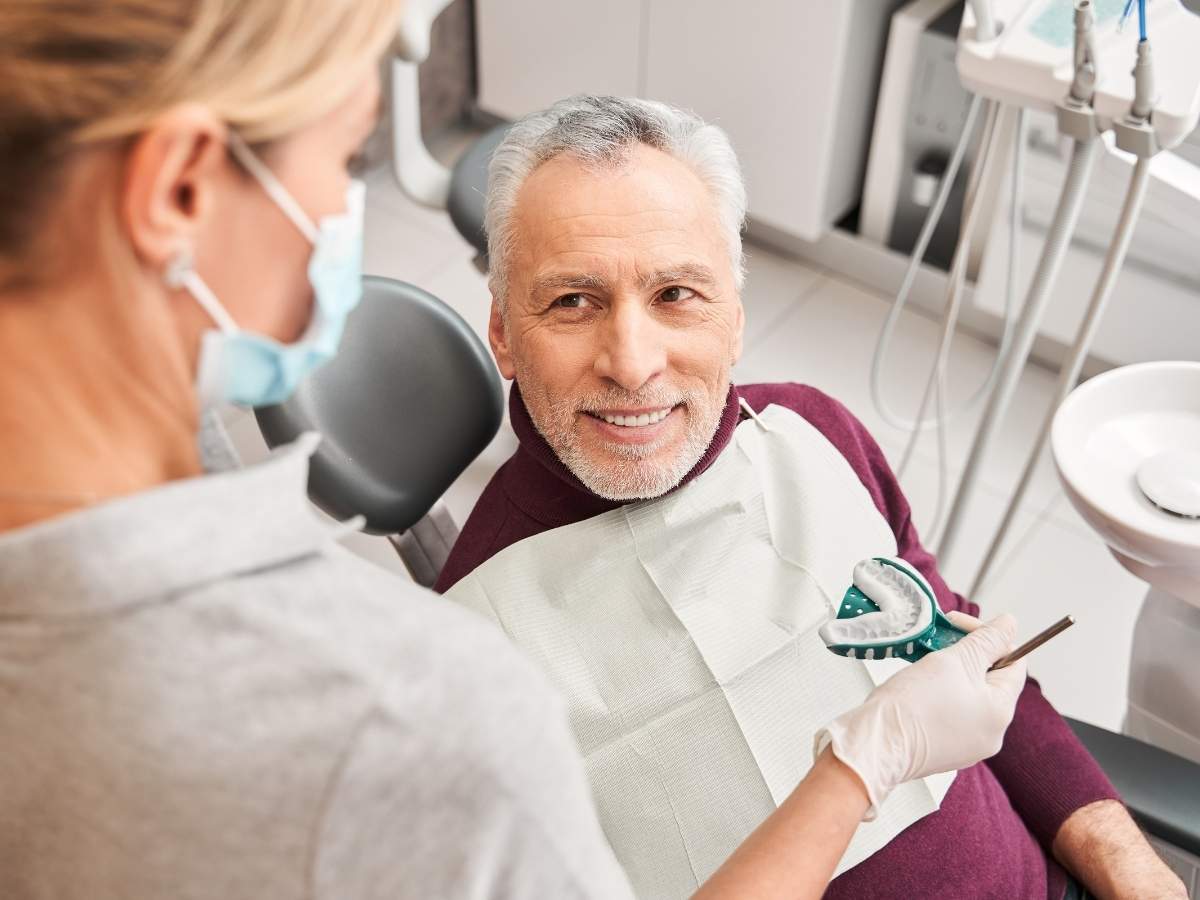
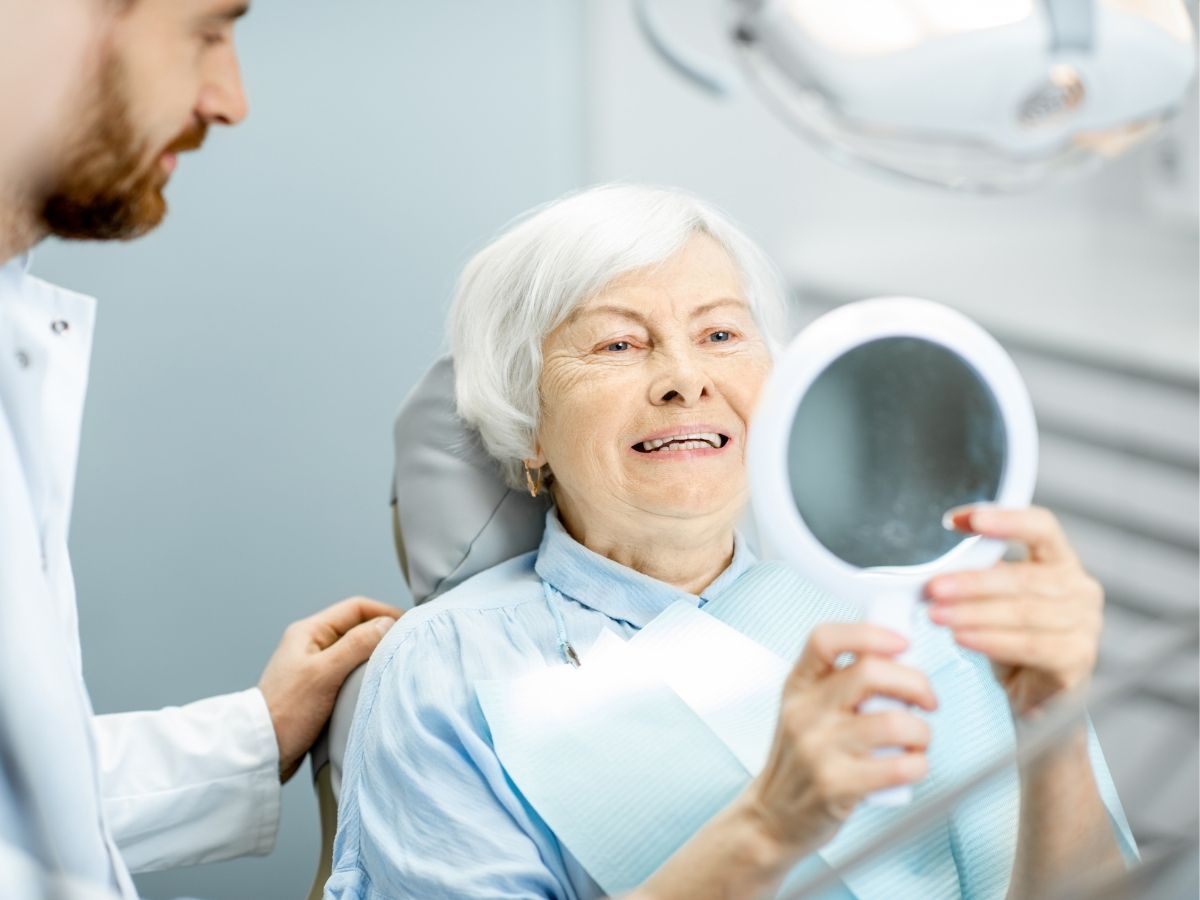
A full denture is custom-fabricated to fill the space left by missing teeth and, in doing so, may help restore some of the fullness the lower face relies on for its shape. Dentures in Lower Hutt can be considered as part of addressing the visible effects of tooth loss, alongside restoring the ability to chew and speak comfortably. The denture’s base and teeth are shaped and positioned to sit where your natural teeth and gum tissue once did. This can help fill out the profile of the cheeks and support the lips, which for some people softens the sunken appearance associated with missing teeth. Your clinician will also account for your individual facial structure, lip line, and bite when designing the appliance, since a poorly proportioned denture won’t provide the same support. It’s worth being clear-eyed about what a denture can and can’t do here. A denture sits on the gum ridge rather than being anchored to the bone, so while it can help fill out and support the soft tissue, it does not stop the underlying bone changes that started when the teeth were lost. This is why regular reviews matter, as your jaw and gums continue to change shape over the years, your denture may need relining or adjusting to keep providing the support it was designed for.What Other Factors Influence Facial Changes After Tooth Loss?
Facial changes after tooth loss vary based on factors such as the number of missing teeth, how long they have been missing, and individual bone structure. Ageing, genetics, sun exposure, and smoking can also affect facial appearance. The longer teeth remain missing, the more bone loss may occur. A personalised dental assessment can help determine how tooth loss has affected your facial structure and identify suitable treatment options.
What Should You Expect From the Full Denture Process?
Getting dentures generally involves several appointments over a number of weeks, starting with a full oral health assessment and ending with a fitted, adjusted denture. Each stage is designed to make sure the final result fits comfortably and functions well for you specifically. The process typically starts with an assessment of your gums, bone, and oral health history, often supported by X-rays. If full dentures are recommended, impressions and bite measurements are taken and used to create a custom appliance. From there, a trial fitting allows adjustments to the fit, shape, and appearance before the final denture is made. Once fitted, your clinician will check comfort and bite alignment and schedule follow-up reviews as your mouth adapts. Adjusting to a new denture takes time. It’s common to notice some awareness of the appliance while eating or speaking in the first few weeks, and follow-up visits are there to fine-tune fit and comfort as needed.Are Full Dentures the Right Option for Everyone Concerned About Facial Sagging?
Full dentures may help support facial appearance for people missing most or all of their teeth, but suitability depends on individual oral health and bone condition. In some cases, implant-retained dentures may offer additional support and stability. The best option depends on your oral health, comfort needs, and treatment goals. A dental assessment is the best way to determine the most suitable solution for your situation.Frequently Asked Questions
Can dentures reverse facial sagging that has already happened?
A well-fitted denture may help improve the fullness and support of the lower face, but it works by filling out the space left by missing teeth rather than reversing bone changes that have already occurred. The degree of visible improvement varies from person to person and is best discussed during a consultation.How soon after losing teeth should I consider full dentures?
There’s no single timeframe that applies to everyone, but addressing missing teeth sooner rather than later generally means less accumulated change to the bone and surrounding tissue. Your clinician can assess your individual situation and advise on appropriate timing.Will my dentures need to be adjusted over time to keep supporting my face?
Yes. Jaw and gum structure continue to change naturally over time, which may affect how a denture fits and how well it supports the face. Relines or adjustments are a normal part of long-term denture care and help maintain comfort and support as your mouth adapts.Are implant-retained dentures better for preventing facial changes than regular full dentures?
Both options are discussed differently depending on individual needs, bone condition, and goals. Implant-retained dentures may offer additional stability for some patients, but suitability varies, and this is something your clinician can go through with you during an assessment.Is facial sagging always caused by missing teeth?
Not necessarily. Facial changes can result from a combination of factors, including ageing skin, genetics, sun exposure, and lifestyle habits, alongside any changes related to tooth loss. A personalised assessment can help identify what’s contributing to changes in your specific case.Taking the Next Step
Facial changes linked to tooth loss tend to happen gradually, which makes it easy to put off addressing them. If you’ve noticed changes in your facial fullness, or you’re simply overdue for a dental review, a consultation is a low-pressure way to understand your options. At Dental Reflections, a thorough oral health assessment and personalised treatment discussion can help you understand what may be suitable for your individual circumstances, with no obligation attached. Reach out to arrange a consultation and get a clear picture of what’s involved. Sources:- New Zealand Dental Association (NZDA), Oral health guidance for older people, including denture care, nzda.org.nz/public/your-oral-health/older-people
- Ministry of Health New Zealand, Our Older People’s Oral Health: Key Findings of the 2012 New Zealand Older People’s Oral Health Survey, health.govt.nz/system/files/2016-02/our-older-peoples-oral-health-2012-nz-older-peoples-oral-health-survey-feb16.pdf
- Healthify NZ — Dentures https://healthify.nz/hauora-wellbeing/d/dentures
- Health New Zealand | Te Whatu Ora; Dental health for older people, including oral hygiene and denture care guidance; https://www.healthnz.govt.nz/health-topics/keeping-healthy/teeth-gums/dental-health-for-older-people