What Are Full Dentures and Who Might Need Them?

What Are Full Dentures and Who Might Need Them?
Losing several or all of your natural teeth can be a difficult experience, whether it happens gradually through decay and gum disease or more suddenly after an accident or extraction.  For many adults, missing an entire arch of teeth affects everyday things like eating, speaking clearly, and feeling comfortable smiling in social or professional settings. This is where full dentures in Lower Hutt may offer a way forward. A full denture is a removable appliance designed to replace an entire row of missing teeth on the upper arch, lower arch, or both. Understanding what full dentures involve, and whether you might be a suitable candidate, can help you make an informed decision about your oral health.  In this guide, we’ll look at what full dentures are, who they may suit, and what the process generally involves. As of 2026, dentures remain a well-established option for those who prefer a removable solution.

At a Glance

  • A full denture replaces all teeth on one or both arches, unlike a partial denture, which fills gaps around remaining natural teeth.
  • Common candidates include adults with extensive tooth loss, an existing denture that no longer fits well, or ongoing oral health concerns.
  • The process usually involves an assessment, impressions, a trial fitting, and a final fitting across several appointments.
  • Full dentures are removable and may need adjusting or relining over time as gums and jaw structure change.
  • A consultation with a dental clinician is the best way to find out whether full dentures may suit your individual situation.

What Is a Full Denture?

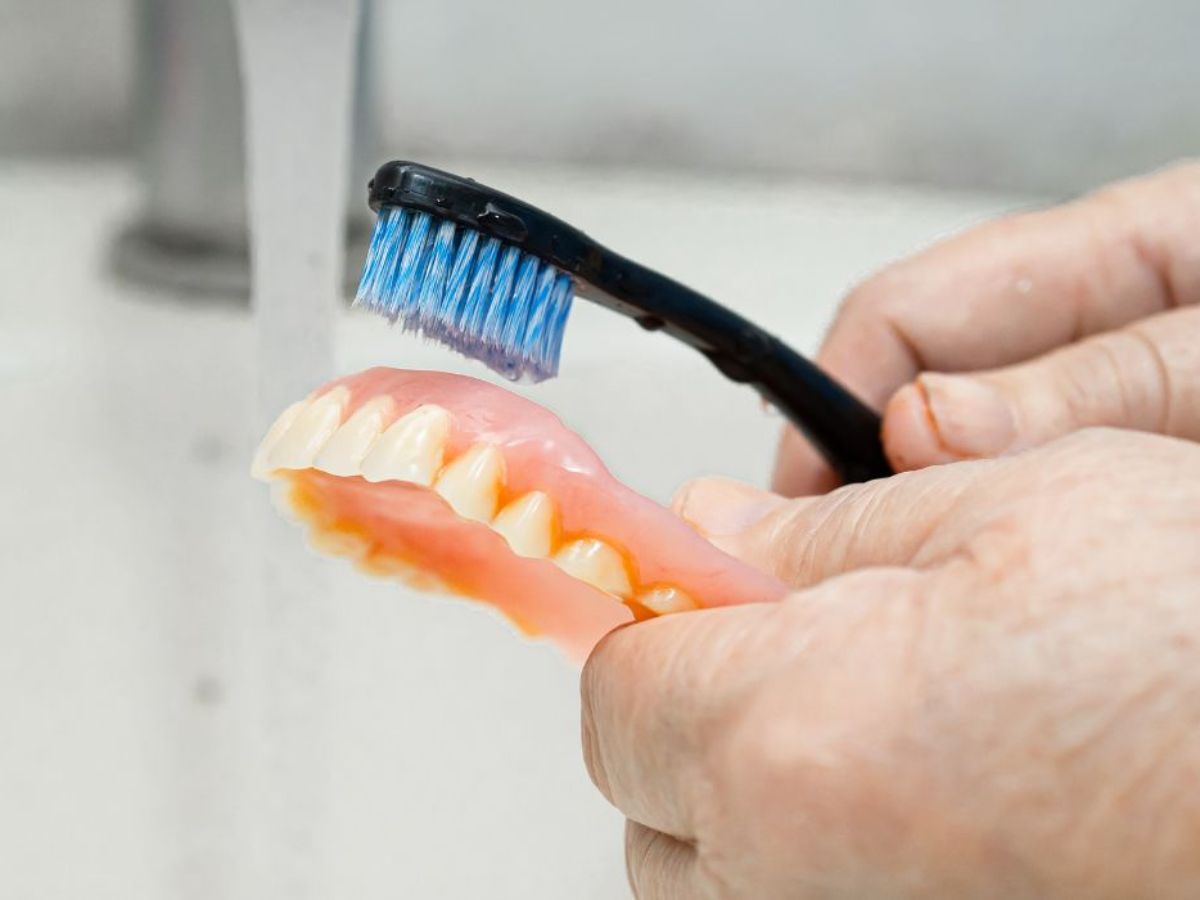
A full denture, also called a complete denture, is a removable dental appliance designed to replace all of the natural teeth on the upper arch, the lower arch, or both. It differs from a partial denture, which is used when some natural teeth remain in place. Most full dentures are made from acrylic resin, a lightweight material that can be colour-matched to complement your natural gum tone. For patients exploring full dentures in Lower Hutt, a metal-reinforced base may also be discussed at your assessment, depending on your individual clinical needs. Because a full denture is removable, it is not fixed to the jawbone. It relies on the shape of your gum ridge, and sometimes denture adhesive, for stability. Your clinician will explain what to expect based on your own oral structure during a consultation.

Who Might Need Full Dentures in Lower Hutt?

You may benefit from discussing full dentures with a clinician if all or most of your natural teeth are missing, or if your remaining teeth have significant decay or damage. A thorough oral health assessment can help determine whether full dentures are a suitable option for you. Some common situations where full dentures are considered include:
  • All or most teeth on an arch are missing
  • Remaining teeth have advanced decay, gum disease, or structural damage
  • An existing full denture no longer fits comfortably or needs replacing
  • Tooth loss is making it harder to chew or speak comfortably
  • A removable option is preferred over fixed, implant-supported restorations
  • There have been ongoing oral health concerns without a recent dental assessment
Every situation is different, and a personalised treatment plan can only be discussed after a proper clinical assessment.

How Are Full Dentures Different From Partial Dentures?

A full denture replaces every tooth on an arch, while a partial denture fills specific gaps where some natural teeth remain. The right choice depends on how many natural teeth you still have and their overall condition. Both types of denture are custom-fabricated to support a natural appearance and everyday oral function. Your clinician will assess your oral health and discuss which option may be more appropriate for your circumstances.

What Does the Full Denture Process Involve?

The full denture process typically involves several appointments, starting with a comprehensive oral health assessment and ending with a final fitted appliance. Timeframes can vary depending on individual clinical needs and laboratory scheduling.
  1. Assessment – X-rays and a thorough evaluation of gums, bone condition, and oral health history.
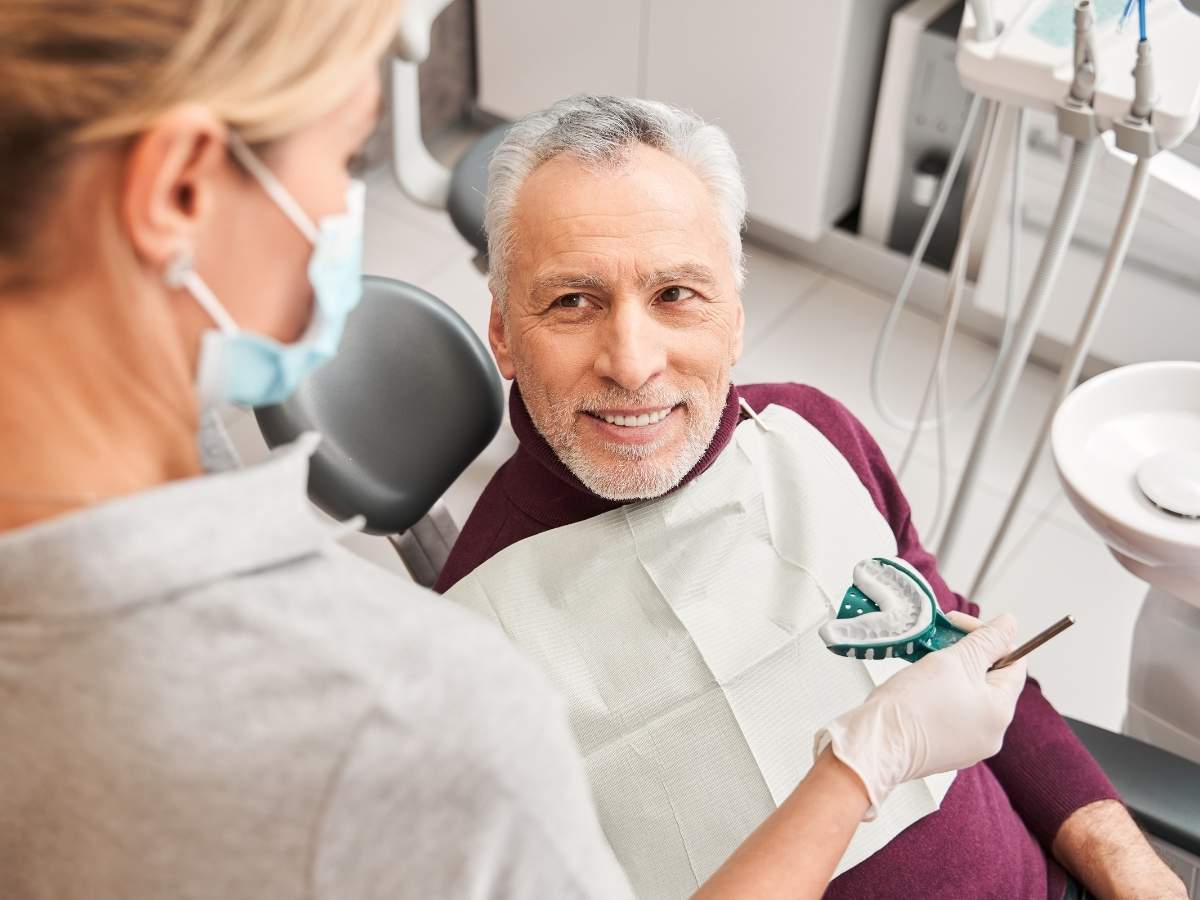
  2. Impressions and measurements – Custom moulds and bite measurements are taken to guide fabrication.
  3. Trial fitting – A wax try-in is assessed for fit, bite alignment, and appearance, with patient input welcomed.
  4. Final fitting – The finished denture is fitted, with adjustments made for comfort and function.
  5. Aftercare and review – Home care guidance is provided, along with follow-up appointments to monitor fit over time.

What Are the Potential Benefits of Full Dentures?

Full dentures may help restore the ability to chew a wider range of foods and speak more comfortably, though individual outcomes depend on personal circumstances and how well the appliance fits. A well-fitted denture is generally custom-made to suit your facial structure and gum tone. Some of the areas full dentures may support include:
  • Oral function – May help with chewing and speaking as natural teeth are replaced.
  • Appearance – Custom colour-matching aims for a natural-looking result.
  • Facial structure support – A well-fitted denture may help support facial soft tissue after tooth loss.
  • Adaptability – Dentures can potentially be relined or adjusted as your gums and jaw change over time.
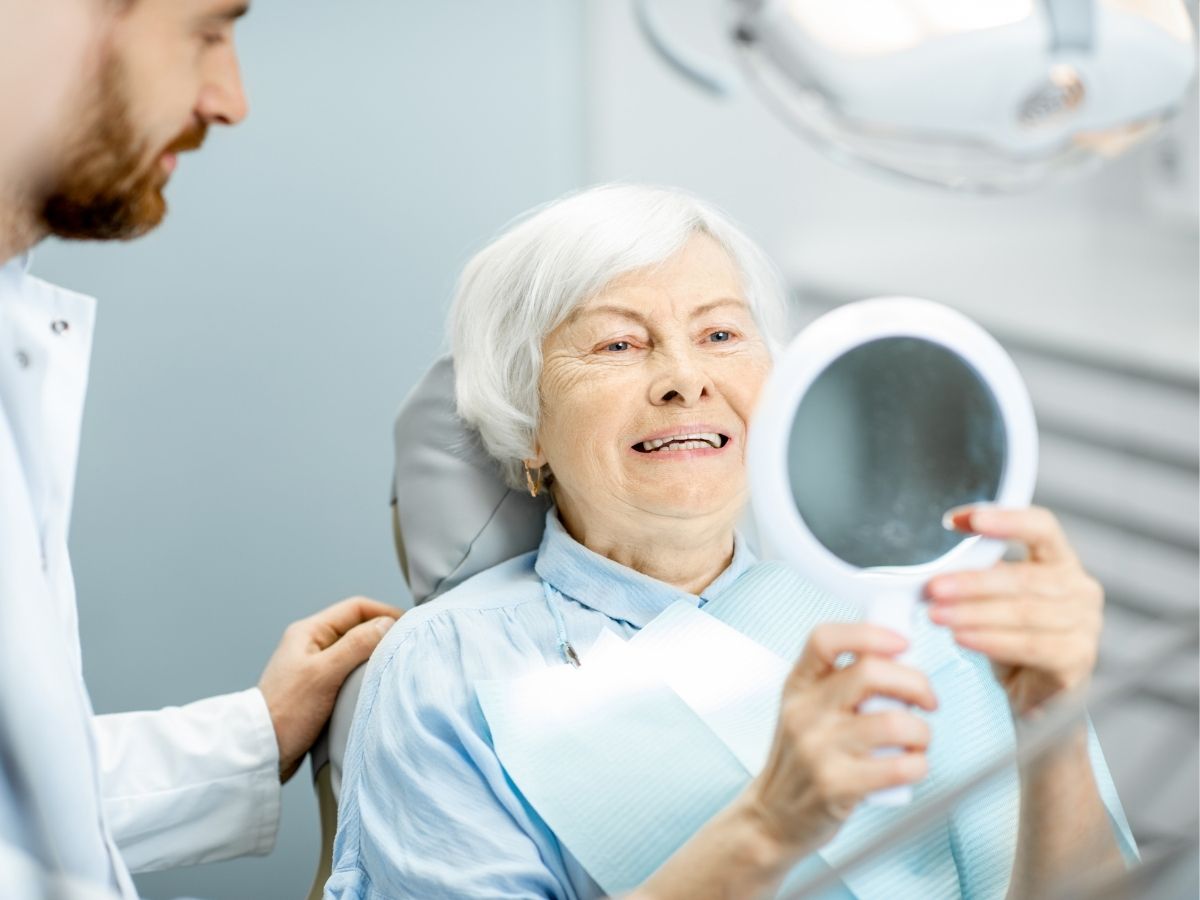
Because everyone’s oral health and anatomy differ, actual results and adjustment periods vary from person to person, and a consultation is the best way to understand what may be realistic for you.

How Long Does It Take to Adjust to Full Dentures?

Adjustment periods vary from person to person, and it is common to notice some initial awareness of the appliance while eating or speaking. This is generally more noticeable in the first few weeks after fitting. Follow-up appointments at your denture clinic in Lower Hutt are usually available to address concerns during this settling-in period, and your clinician can offer guidance on eating, speaking, and caring for your denture as your mouth adapts.

Frequently Asked Questions

How much do full dentures cost in Lower Hutt?

Costs for full dentures in Lower Hutt vary depending on the complexity of treatment and materials selected. An itemised estimate is usually provided following an assessment, and a consultation is recommended for an accurate, personalised cost overview. 

How long do full dentures typically last?

The lifespan of a full denture varies depending on individual wear, care, and changes in the gums and jaw over time. Regular dental reviews can help monitor the condition of your denture and identify when a reline, repair, or replacement may be worth discussing.

Can I get full dentures if I still have some natural teeth?

Full dentures are generally intended for arches with no remaining natural teeth. If you still have some healthy teeth, a partial denture or another treatment option may be more suitable, and this is best discussed during a clinical assessment.

Will full dentures look natural?

Full dentures are custom-fabricated and colour-matched to complement your natural gum tone, with the aim of a natural-looking result. Appearance outcomes can vary depending on individual facial structure and the materials used, so it’s worth discussing your expectations at your consultation.

Do full dentures require special care at home?

Yes. Removing and rinsing your denture after meals, brushing gently with a soft denture brush, and soaking it overnight are commonly recommended care steps. Caring for your gums is equally important, and your clinician can provide personalised guidance following your fitting.

Conclusion

Full dentures can be a suitable option for adults experiencing extensive tooth loss who are looking for a removable way to support everyday chewing, speaking, and confidence.  Since outcomes and suitability depend on individual oral health and circumstances, a proper clinical assessment is an important first step before deciding on any treatment. If you’re exploring full dentures in Lower Hutt, the team at Dental Reflections Lower Hutt offers a thorough oral health assessment and a personalised treatment discussion, so you can make an informed decision about your care.  There is no obligation, simply an opportunity to understand what may be suitable for your situation. Contact Dental Reflections Lower Hutt today to arrange a consultation.
Dr. Mustafa Ali
Dr. Mustafa Ali

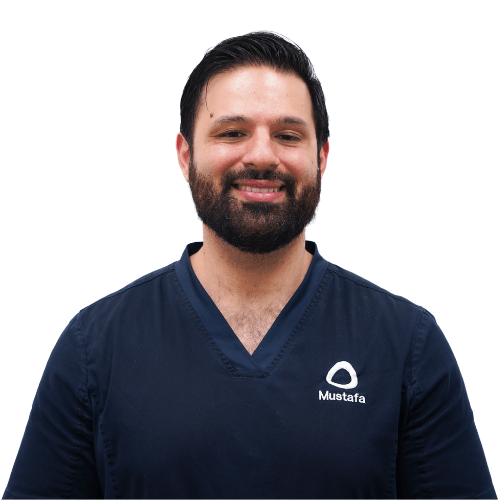
Mustafa Ali is a Clinical Dental Technician with 13+ years’ experience, trained at the University of Otago. As a trusted dental technician in Lower Hutt, he specialises in digital denture treatments using advanced 3D technology to create natural-looking smiles. Combining artistry with clinical skill, he focuses on restoring confidence and improving patients’ quality of life.

Related Posts
Leave a Reply

Your email address will not be published.Required fields are marked *