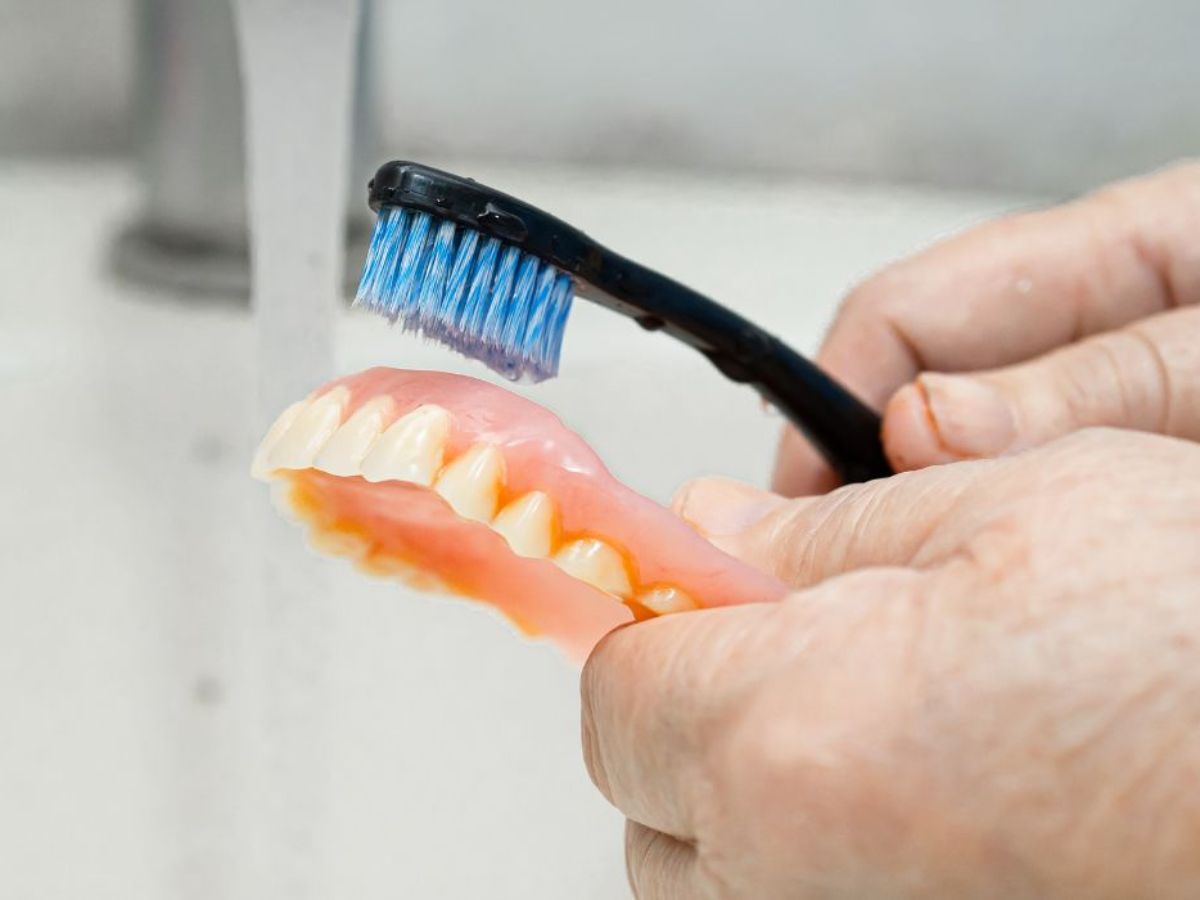

Why Do New Full Dentures Feel Different at First?

Why Do New Full Dentures Feel Different at First?
If you have recently been fitted with full dentures in Lower Hutt, you may have noticed that your new appliance feels strange in your mouth, especially when eating or speaking. This is a very common experience and not a sign that something has gone wrong.  In this guide, we explain why new dentures feel different at first, how long the adjustment period usually takes, and what you can do to settle in more comfortably. Understanding what to expect can make the first few weeks with a new denture much less stressful. Whether this is your first full denture or a replacement for an older one, knowing the reasons behind that “different” feeling can help you feel more confident during the settling-in period.

At a Glance

  • New full dentures often feel bulky, tight, or unfamiliar during the first few weeks
  • This is a normal part of your mouth adjusting to a new appliance
  • Speech and chewing usually improve gradually with practice
  • Follow-up appointments allow your clinician to make small adjustments for comfort
  • Most people adapt within several weeks, though timeframes vary between individuals

Why Do New Dentures Feel Strange at First?

New full dentures feel different at first because your mouth, tongue, and cheek muscles need time to adjust to the presence of a new appliance sitting against your gums and soft tissue. This sensation is a normal part of the adaptation process and generally settles as your mouth becomes accustomed to the denture. Your gums and jawbone have their own shape, and a denture is custom-fabricated to sit against that shape. For anyone new to full dentures in Lower Hutt, even a well-fitted denture introduces new pressure points and a different sense of “fullness” in the mouth compared to what you were used to before. Saliva flow can also increase temporarily as your mouth responds to the new object. Your tongue and cheeks play a role in holding a denture in place, and it takes time for these muscles to learn how to work with the appliance rather than against it. This is one reason speech and chewing may feel awkward in the early days.

How Long Does It Take to Adjust to New Full Dentures?

Adjustment periods vary from person to person, and there is no fixed timeframe that applies to everyone. Many people notice gradual improvement over the first few weeks, though some individuals take longer depending on their oral structure and denture type. Factors that can influence how quickly you adjust include:
  • Whether this is your first denture or a replacement
  • The condition and shape of your gums and jaw ridge
  • Whether you are wearing an upper, lower, or both arches
  • How closely you follow your clinician’s aftercare guidance
It’s helpful to remember that small awareness of the appliance in the early weeks is expected. If discomfort continues well beyond the initial settling-in period, a follow-up visit can help identify whether an adjustment is needed.

Why Does Speech Sound Different With New Dentures?

Speech can sound different with new dentures because the appliance changes the space inside your mouth that your tongue uses to form certain sounds, particularly those involving the tongue touching the roof of the mouth or front teeth. This usually improves with practice. Reading aloud at home is a practical way to retrain your tongue and lips to work with the new denture. Many people find that words which felt difficult in the first few days become noticeably easier within one to two weeks of regular practice. If certain sounds remain consistently difficult after some weeks of practice, it may be worth mentioning this at a follow-up appointment so your clinician can review the fit.

Why Does Chewing Feel Different at First?

Chewing feels different at first because a denture relies on your gums, saliva, and jaw muscles working together in a new way, rather than the direct root support that natural teeth once provided. Learning to chew evenly on both sides of the mouth can help improve stability. Starting with softer foods cut into smaller pieces is a practical way to build confidence before gradually reintroducing a fuller range of foods. Many patients find it helpful to check in with their denture clinic in Lower Hutt during this adjustment period. Chewing slowly and evenly, rather than favouring one side, may also help the denture sit more securely during meals.  Some people notice occasional movement of the denture while eating in the early stages. This can often improve as the muscles around the mouth adapt, though ongoing looseness is worth discussing with your clinician.

What Can Help New Dentures Feel More Comfortable?

A few simple habits may support a smoother adjustment period while your mouth becomes accustomed to a new full denture. These include practising speech, easing into a varied diet, and keeping scheduled follow-up appointments.
  1. Practise speaking – Read aloud for a few minutes each day to help retrain your tongue and lip movements.
  2. Ease into eating – Begin with softer foods and gradually reintroduce firmer textures as confidence builds.
  3. Keep follow-up appointments – Regular reviews allow your clinician to check fit, bite alignment, and comfort as your mouth adapts.
  4. Maintain good hygiene – Clean your denture and gums as advised to support overall oral health during the settling-in period.
  5. Allow time – Give yourself patience, as adjustment is a gradual process rather than an immediate change.

At Dental Reflections Lower Hutt, follow-up reviews are built into the full denture process so that any comfort concerns can be discussed and addressed as your mouth settles.

When Should You See Your Clinician About Denture Discomfort?

You should contact your clinician if discomfort, sore spots, or looseness continue beyond the expected settling-in period, or if you notice a sudden change in how your denture fits. Persistent issues are not something you need to simply live with. Some general awareness or mild pressure in the first couple of weeks is common. However, sharp pain, visible sore spots, or a denture that feels consistently loose may indicate that a minor adjustment or reline could help. Your clinician will assess your individual situation before recommending any next steps.

Frequently Asked Questions

Is it normal for new dentures to feel uncomfortable at first?

Yes, mild discomfort or awareness of a new denture is common in the first few weeks as your mouth adjusts. If discomfort is significant or continues beyond the expected settling-in period, it is worth arranging a follow-up appointment.

How long until new dentures feel normal?

This varies between individuals, but many people notice gradual improvement over several weeks. Some factors, such as gum condition and whether it is a first denture or a replacement, can influence this timeframe.

Why do my new dentures feel loose when I talk or eat?

New dentures can feel loose at first because your tongue, cheek, and jaw muscles are still learning to work with the appliance. If looseness continues or worsens, a review with your clinician can help determine whether an adjustment is needed.

Can I speed up the adjustment period for new dentures?

Practising speech, easing into a varied diet, and attending follow-up appointments may help support a smoother adjustment. However, adaptation is a gradual process and timeframes can differ from person to person.

Should I keep wearing my new dentures even though they feel odd?

Your clinician will provide personalised guidance on wear during the settling-in period, as recommendations can vary depending on your individual circumstances. Attending your scheduled follow-up appointments allows any concerns to be reviewed properly.

Conclusion

Feeling that new full dentures are different at first is a normal and expected part of the adjustment process, not a sign that something has gone wrong.  With time, practice, and support from scheduled follow-up appointments, most people find that speaking and eating become more comfortable as their mouth adapts.  If you are settling into new full dentures in Lower Hutt, or considering treatment for the first time, the team at Dental Reflections Lower Hutt is here to guide you through each step with a personalised approach to your care.  Contact Dental Reflections Lower Hutt to arrange a consultation and discuss what may be suitable for your situation.
Dr. Mustafa Ali
Dr. Mustafa Ali

Mustafa Ali is a Clinical Dental Technician with 13+ years’ experience, trained at the University of Otago. As a trusted dental technician in Lower Hutt, he specialises in digital denture treatments using advanced 3D technology to create natural-looking smiles. Combining artistry with clinical skill, he focuses on restoring confidence and improving patients’ quality of life.

Related Posts
Leave a Reply

Your email address will not be published.Required fields are marked *