
When Is It Time to Replace or Adjust Partial Dentures?

When Is It Time to Replace or Adjust Partial Dentures?
Partial dentures are built to last, but they aren’t meant to last forever. If your partial has started to feel loose, sore, or simply “not right,” you may be wondering whether it’s time for an adjustment or a full replacement.  Understanding the signs early can help you avoid discomfort and keep your bite working the way it should.  This guide covers the key signals to watch for, how partial dentures change over time, and what your options look like if you’re considering partial dentures in Lower Hutt.

At a Glance

  • Partial dentures typically need review every 1–2 years, even without obvious problems
  • Looseness, clicking, or sore spots are common signs an adjustment may be needed
  • Gums and jawbone shape change over time, which can affect denture fit
  • Cracks, chips, or worn teeth on the denture usually mean replacement is the better option
  • A dentist can assess your specific denture during a consultation and discuss the options available to you

How Long Do Partial Dentures Usually Last?

Partial dentures generally last around 5 to 7 years before replacement is typically considered, though this varies from person to person.  Daily wear, changes in the mouth, and how well the denture is cared for all play a role in how long it stays comfortable and functional. Many patients with partial dentures in Lower Hutt find that routine care and regular reviews help extend this timeframe where possible. Over time, the acrylic or metal framework can wear down from normal chewing and cleaning, teeth on the denture may flatten slightly, and the fit can gradually loosen as the gums and underlying bone change shape.  This is a natural process, not a sign that something has gone wrong; it simply means the denture may need reassessing. Routine dental check-ups help catch these changes early, often before they become noticeable day to day.

What Are the Signs a Partial Denture Needs Adjusting?

A partial denture usually needs adjusting when it feels loose, rubs against the gums, or no longer sits evenly when you bite down. These changes can develop gradually, so many people don’t notice them until eating or speaking starts to feel different. Common signs to watch for include:
  • The denture shifting or clicking while eating or talking
  • Sore spots, ulcers, or redness on the gums where the denture sits
  • Food becoming trapped more often than usual
  • A change in how your bite feels, such as new pressure on certain teeth
  • Difficulty pronouncing certain words after previously speaking clearly with the denture
If any of these sound familiar, it’s worth having the denture checked rather than waiting for discomfort to worsen. Small adjustments are often quicker and simpler when addressed early.

Why Does a Partial Denture Stop Fitting Properly?

A partial denture stops fitting well mainly because the gums and jawbone gradually change shape after tooth loss, while the denture itself stays the same. This mismatch is one of the most common reasons for looseness over time. The bone that once supported natural teeth can reduce in height and width once those teeth are gone, a process that continues gradually for years. Weight changes, gum health, and general ageing of the mouth can also influence fit. Because the denture doesn’t adapt to these changes on its own, periodic adjustments help keep it aligned with your current mouth shape. Regular reviews with your dentist allow small fit issues to be corrected before they lead to sore spots or uneven pressure on your remaining natural teeth.

When Should a Partial Denture Be Replaced Instead of Adjusted?

A partial denture is usually better replaced, rather than adjusted, when it’s cracked, when the clasps or framework are worn out, or when several adjustments haven’t resolved ongoing discomfort. At that stage, getting a new partial denture in Lower Hutt is often more practical than continuing repairs.  Signs that replacement may be the better path include:
  1. Visible cracks or repeated breakages in the base or teeth
  2. Metal clasps that have become loose, bent, or no longer grip the remaining teeth securely
  3. Teeth on the denture that look visibly worn or flattened
  4. A fit that remains uncomfortable even after adjustment
  5. Changes to your remaining natural teeth, such as a new gap from an extraction
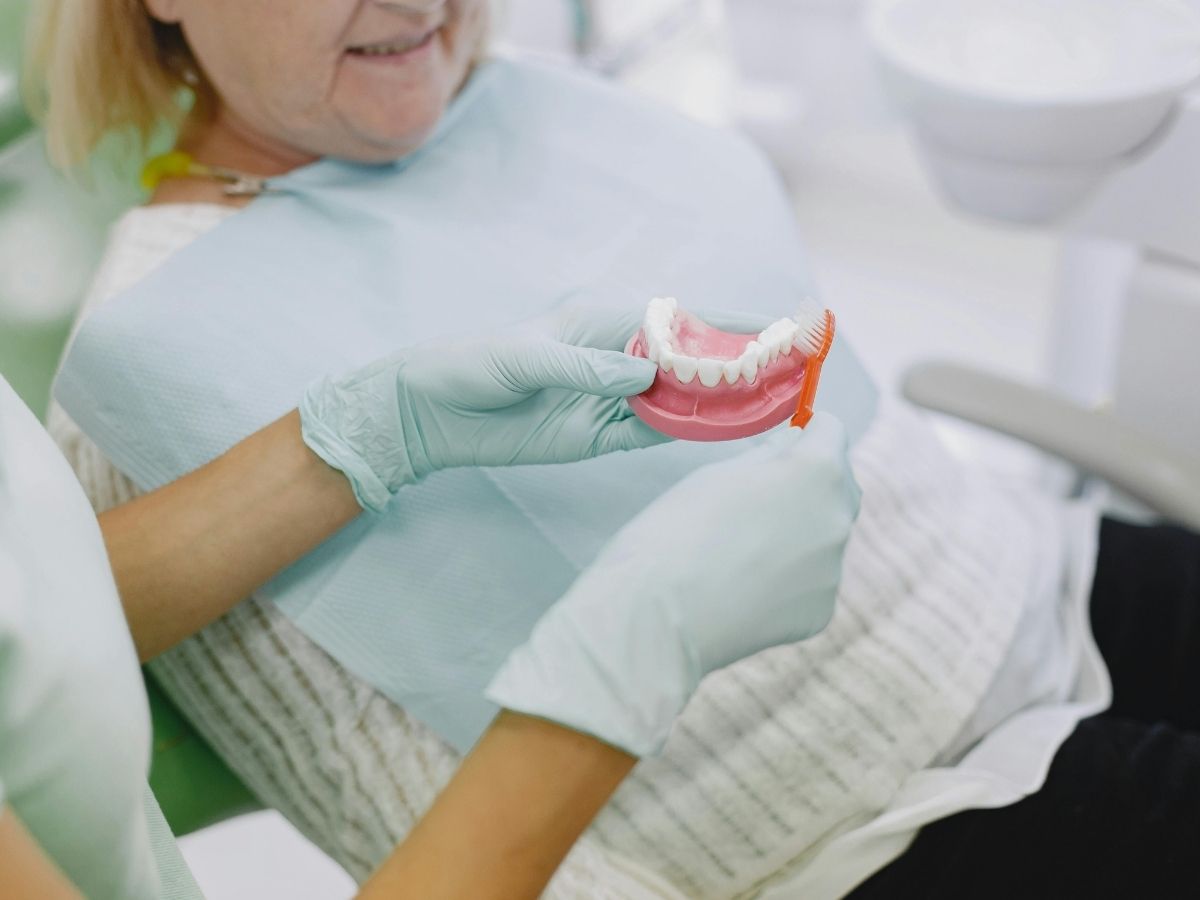
A dentist can examine the denture and your mouth together to work out whether an adjustment, a reline, or a full replacement is the most suitable next step for your situation.

Can a Partial Denture Be Adjusted Instead of Replaced?

Yes, many fit and comfort issues with partial dentures can be corrected through an adjustment or reline rather than a full replacement, particularly when the denture itself is still in good structural condition. This is often the simpler and more cost-effective first option. An adjustment might involve reshaping areas that are pressing on the gums, while a reline adds new material to the underside of the denture to improve how it sits against the changed gum shape. These options are generally suited to dentures that are structurally sound but no longer fit as well as they once did. Your dentist will usually recommend starting with the least invasive option and moving to replacement only if that doesn’t resolve the issue.

How Often Should Partial Dentures Be Checked by a Dentist?

Partial dentures should generally be reviewed by a dentist around once every year, even if nothing feels obviously wrong. Regular reviews help pick up early fit changes, wear, or gum issues before they become noticeable problems. At a review appointment, a dentist will typically check the fit against your current gum shape, look at wear on the denture teeth and clasps, and examine your remaining natural teeth and gums for any changes.  This preventative approach tends to keep partial dentures comfortable for longer and can help avoid more involved treatment down the track. For patients in Lower Hutt, building this review into an existing check-up schedule is usually the easiest way to stay on top of it.

Frequently Asked Questions

How do I know if my partial denture no longer fits properly?

Signs include looseness while eating or speaking, sore spots on the gums, food trapping more than usual, or a change in how your bite feels. If you notice any of these, a dental review can confirm whether an adjustment is needed.

Is it normal for a partial denture to feel different over time?

Yes, gradual changes in fit are common because the gums and jawbone shape can change over the years. This doesn’t necessarily mean the denture is faulty — it usually just means a review is due.

Can a cracked partial denture be repaired?

Some minor cracks can be repaired, but a denture with repeated cracks or a compromised framework is often better replaced for reliability. A dentist can assess the extent of the damage and discuss the options available.

Does getting a new partial denture take long?

The process generally involves impressions, fitting stages, and adjustments, so it typically takes place over a few appointments rather than a single visit. Timeframes can vary depending on individual circumstances.

Should I wait until my denture breaks before getting it checked?

It’s generally better not to wait, since ongoing looseness or discomfort can affect your bite and remaining natural teeth over time. A routine check can pick up issues while they’re still simple to address.

Conclusion 

Partial dentures naturally change over time as the mouth changes with them, so occasional adjustments or an eventual replacement are a normal part of wearing one.  Paying attention to looseness, soreness, or changes in your bite can help you address issues early, often with a simpler solution than you might expect.  If you’re due for a review of your partial denture, the team at Dental Reflections Lower Hutt can assess your current fit and talk through what options may suit your situation.  A personalised treatment plan can be discussed during a consultation, based on your individual circumstances.
Dr. Mustafa Ali
Dr. Mustafa Ali

Mustafa Ali is a Clinical Dental Technician with 13+ years’ experience, trained at the University of Otago. As a trusted dental technician in Lower Hutt, he specialises in digital denture treatments using advanced 3D technology to create natural-looking smiles. Combining artistry with clinical skill, he focuses on restoring confidence and improving patients’ quality of life.

Related Posts
Leave a Reply

Your email address will not be published.Required fields are marked *