
At a Glance
- A denture reline adjusts the fit of the base against your gums; it does not reshape your teeth or bite.
- Relines are usually needed because gum and jawbone tissue naturally change shape over time.
- The visible teeth and general shape of the denture stay the same; only the inner surface is adjusted.
- Signs you may need a reline include looseness, sore spots, or dentures that click when you speak.
- A personalised assessment during a consultation is the best way to know if a reline is right for you.
What Is a Denture Reline?
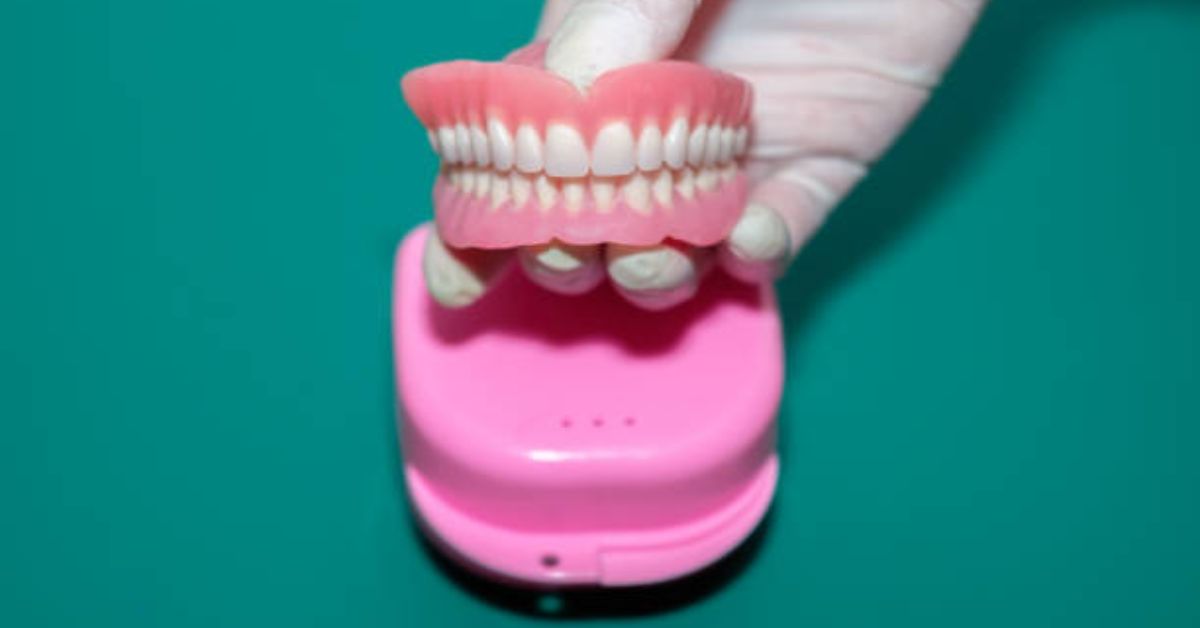
A denture reline is a dental procedure where the inner (tissue-facing) surface of a denture is refitted or resurfaced to match the current shape of the gums and jaw ridge. It is done because the mouth’s tissue and bone structure change gradually over months and years, even though the denture itself does not. Denture relines in Lower Hutt are a routine part of ongoing denture care for this reason. During a reline, the visible outer surface of the denture, the part that shows your teeth and gives your smile its shape is not altered. The dentist or technician adjusts or replaces the material on the inside of the denture base so it sits snugly against your gums again. There are two common types of relines: a hard reline, which uses a durable acrylic material and is typically done in a dental laboratory, and a soft reline, which uses a cushioning material and can be more comfortable for patients with sensitive gums. Which option suits you best is something your dentist can discuss with you during an assessment.Does a Denture Reline Change the Shape of Your Dentures?
A denture reline changes the inner fit of the denture, not the visible shape, size, or arrangement of the teeth. The outer contours that determine how your smile and bite look generally remain the same after a reline. This is one of the most common misunderstandings patients have. Because the denture may feel different once it fits more snugly, some people assume the whole appliance has been reshaped. In reality, the change in feeling usually comes from the denture no longer rocking, slipping, or leaving gaps, not from a change in the visible tooth shape. In some cases, if a denture has been loose for a long time, the improved fit can make chewing and speaking feel noticeably different simply because the denture is finally seated the way it was originally designed to sit. Outcomes can vary depending on individual circumstances, which is why a proper clinical check is useful before any reline work begins.Why Might Dentures Need a Reline in Lower Hutt?
Dentures usually need relining because the gum ridge and underlying bone shrink and reshape over time after teeth are removed. This bone remodelling is a normal biological process, not a fault with the denture or the way it was made. As the jawbone changes shape, a denture that once fitted closely can develop small gaps underneath it. These gaps allow the denture to move during eating or speaking, which can lead to irritation, sore spots, or reduced chewing efficiency. Other reasons a reline may be suggested include weight changes affecting facial and gum contours, or the natural ageing of denture materials over time. Patients in Lower Hutt with older dentures are often encouraged to have their fit reviewed periodically.What Happens During a Denture Reline Appointment?
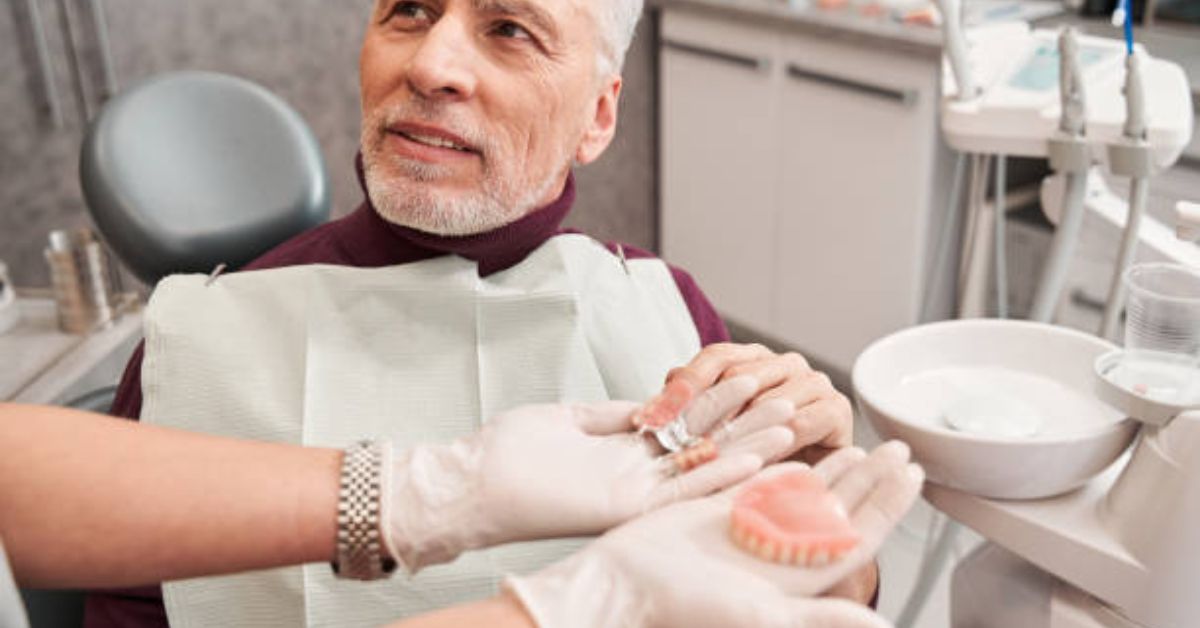
A denture reline appointment typically involves the dentist checking the current fit, taking an impression of your gums while the denture is in place, and then adjusting or replacing the inner surface of the denture to match that new impression. A soft reline can often be completed the same day, while a hard reline may require sending the denture to a laboratory, meaning you could be without it briefly. Many patients with dentures in Lower Hutt find it helpful to plan appointments around this possible waiting period. Before any reline, the dentist will also check your gums and mouth for other issues, since a reline addresses fit but is not a substitute for a full oral health check.
How to Tell If Your Dentures Need a Reline
Common signs that a denture reline may be worth discussing include looseness or slipping, clicking sounds while talking, sore or irritated gums, and difficulty chewing certain foods comfortably.- Your denture feels loose or shifts when you eat or speak
- You notice new sore spots or rubbing on your gums
- Food seems to get trapped underneath the denture more often
- The denture makes a clicking noise or feels unstable
- It has been more than a year or two since your last fit check
Caring for Relined Dentures
Relined dentures generally need the same everyday care as any other denture: regular cleaning, careful handling, and routine check-ups to monitor fit over time. A reline extends the usable life of a denture, but it does not stop future changes in the gums and jawbone from occurring, so most wearers will need their fit reassessed again down the track. Keeping up with periodic dental visits allows small fit issues to be identified before they cause discomfort.Frequently Asked Questions
Does a denture reline hurt?
A denture reline is generally a straightforward, low-discomfort procedure, though some patients notice mild, temporary sensitivity as gums adjust to the improved fit. Your dentist can explain what to expect based on your gums.How long does a denture reline take?
A soft reline can often be completed in a single clinic visit, while a hard reline may take longer if the denture needs to go to a laboratory. Timeframes vary by case, so it’s best confirmed at your appointment.How often should dentures be relined?
There is no fixed timeframe, as it depends on how much your gums and jawbone have changed since your last adjustment. Many denture wearers benefit from a fit review every one to two years, though this varies individually.Can a reline fix a denture that is very old or damaged?
A reline addresses fit, not structural damage, so a denture that is cracked, badly worn, or very old may need repair or replacement instead. A dental assessment can help determine which option suits your denture’s current condition.Will my dentures look different after a reline?
The visible teeth and overall shape of your dentures typically stay the same after a reline, since the procedure adjusts the inner surface rather than the outer appearance. Any difference you notice is usually in how securely the denture fits, not in how it looks.Conclusion
Understanding what a reline does and does not do can make the decision to have one much less daunting. A properly fitted denture supports comfortable eating, clearer speech, and better day-to-day confidence, without changing the visible shape of your teeth. If your dentures have started to feel loose, sore, or unstable, a personalised assessment is the best way to find out whether a reline, or another form of care, is right for you. The team at Dental Reflections Lower Hutt can discuss your options and help you decide on a suitable next step for your denture care. Sources:- Healthify. (n.d.). Dentures. Available at: https://healthify.nz/hauora-wellbeing/d/dentures
- New Zealand Dental Association. (n.d.). Older people — oral health tips. Available at: https://www.nzda.org.nz/public/your-oral-health/older-people
- Health New Zealand – Te Whatu Ora. (n.d.). Dental health for older people. Available at: https://info.health.nz/keeping-healthy/teeth-gums/dental-health-for-older-people
- New Zealand Dental Association. (n.d.). Fungal and bacterial infections — older people’s oral health. Available at: https://www.nzda.org.nz/public/your-oral-health/older-people/fungal-and-bacterial-infections