
Why Dentures Need Relining Over Time
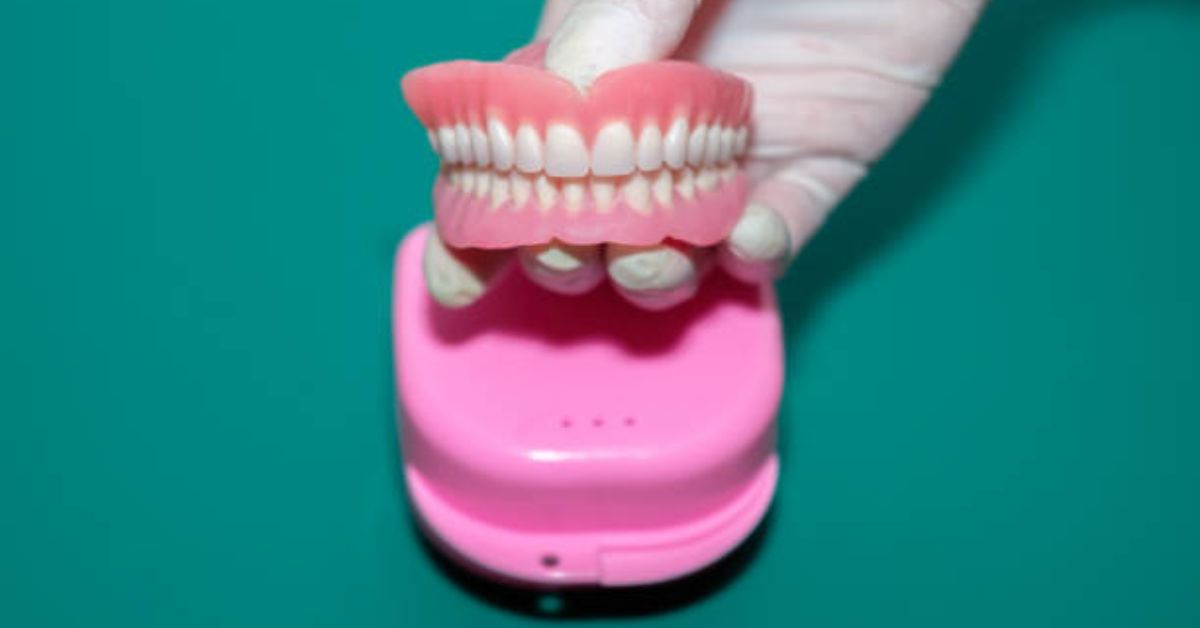
Your jawbone and gum ridges change shape gradually after teeth are removed. This process, known as bone resorption, continues for years. As the bone changes, the once snug fit of your denture can become loose. The denture itself doesn’t change shape, but the foundation underneath it does. This is one of the main reasons people look into denture relines in Lower Hutt as their gums and jawbone settle over time. Relining helps restore a more secure fit by adding new material to the base of the denture. This is different from a full denture replacement, which is usually only needed every several years.Sign 1: Your Dentures Feel Loose or Move When Talking or Eating
One of the clearest signs is movement. If your dentures shift, slide, or click while you’re chewing or speaking, this often points to a changed fit. A loose denture can make eating certain foods difficult. You may find yourself avoiding harder or chewier foods altogether. Speech can also be affected. Some people notice a whistling sound or unclear pronunciation when their denture isn’t sitting as it should.Sign 2: Sore Spots, Rubbing, or Gum Irritation
When a denture no longer matches the shape of your gums, certain areas can take on more pressure than others. This uneven pressure may lead to sore spots, redness, or rubbing on the gums. Over time, this can become uncomfortable enough to affect daily wear. If you notice recurring irritation in the same area, even after adjustments, it could be a sign the denture base needs relining rather than just a small fix.Sign 3: Difficulty Chewing or Changes in Bite
A denture that no longer fits well can change how your upper and lower teeth meet. You might notice it takes longer to chew food, or that chewing feels uneven on one side. Some people also describe a feeling of biting down “too hard” on one part of the denture. These changes are often gradual, so it can help to think back on whether eating has felt different compared to a year or two ago.Sign 4: Your Denture Needs Frequent Adhesive to Stay in Place
Denture adhesive can be a normal part of wearing dentures for many people. However, a noticeable increase in how much adhesive you need may be worth paying attention to. If you find yourself reapplying adhesive throughout the day, or using more than you used to, this can suggest the fit has changed. A reline aims to improve the natural fit of the denture, which may reduce how reliant you are on adhesive for stability.Sign 5: Visible Changes in Your Face Shape or Gum Ridges
Because dentures help support the lips and cheeks, changes in fit can sometimes affect facial appearance. You or others may notice the lower face looking slightly different, such as a sunken appearance around the mouth. This is often linked to changes in the gum ridge underneath the denture. A dental professional can assess whether these changes are related to denture fit.What Happens During a Denture Reline?
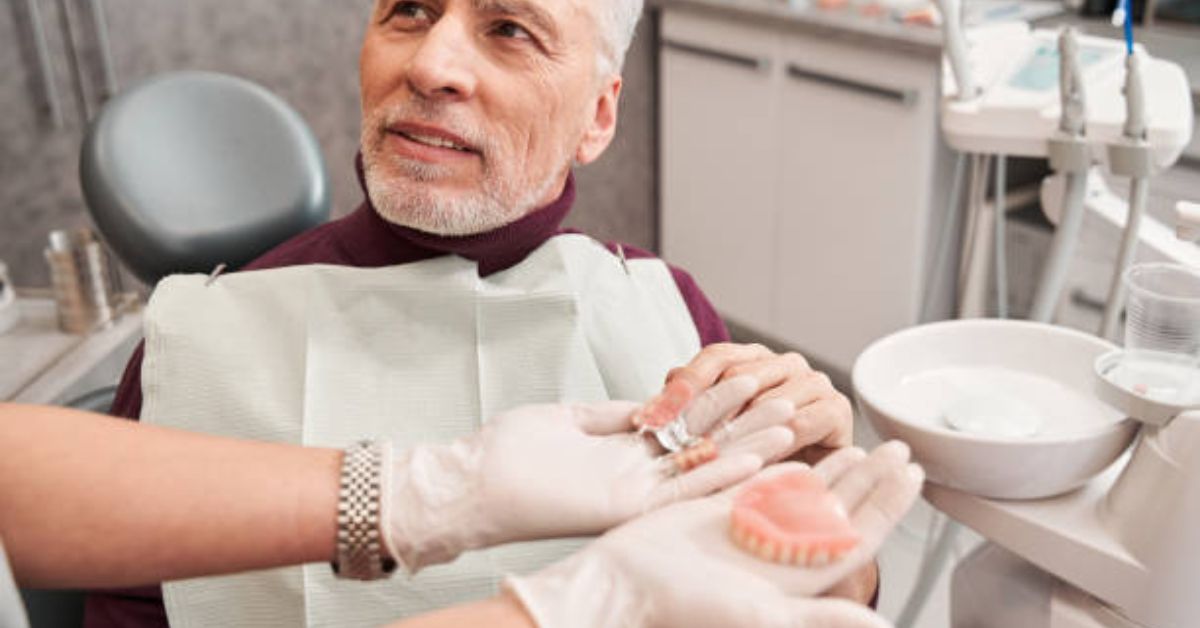
A reline is generally a straightforward procedure compared to making a new denture. During an assessment, a dental professional will examine your gums, jaw, and the current fit of your denture at the dentures clinic in Lower Hutt to determine whether a reline is appropriate. If suitable, a new layer of material is added to the inside of the denture base. This is shaped to match the current contours of your gums more closely. Treatment outcomes vary depending on individual circumstances, and a personalised treatment plan can be discussed during your consultation.Frequently Asked Questions
How Often Do Dentures Need Relining?
This varies from person to person, depending on factors such as how much the gums and jawbone have changed. Some people may need a reline every couple of years, while others may go longer. Regular dental check-ups can help identify when a reline might be useful.Is a Denture Reline Painful?
A reline is generally a well-tolerated procedure for most patients. Your dental team will focus on your comfort throughout the process. If you have any concerns about sensitivity or discomfort, it’s a good idea to discuss these during your appointment so they can be addressed.Can I Get a Reline Done on the Same Day?
In some cases, a temporary or “soft” reline can be completed quickly, while a more permanent reline may take a little longer. The right approach depends on your individual situation, which can be discussed with your dental provider during an assessment.What’s the Difference Between a Reline and a New Denture?
A reline adjusts the fitting surface of your existing denture, while a new denture involves creating an entirely new appliance. Relining is often considered when the denture’s teeth and structure are still in good condition, but the fit has changed due to gum or bone changes.Conclusion
Noticing changes in how your dentures fit, feel, or function is a normal part of long-term denture wear. Loose dentures, sore spots, chewing difficulties, increased adhesive use, and changes in facial appearance can all be signs that a reline may help. If any of these signs sound familiar, it may be worth having your dentures assessed. The team at Dental Reflections Lower Hutt can discuss your options and help determine whether a reline could improve your comfort and fit.
Mustafa Ali is a Clinical Dental Technician with 13+ years’ experience, trained at the University of Otago. As a trusted dental technician in Lower Hutt, he specialises in digital denture treatments using advanced 3D technology to create natural-looking smiles. Combining artistry with clinical skill, he focuses on restoring confidence and improving patients’ quality of life.