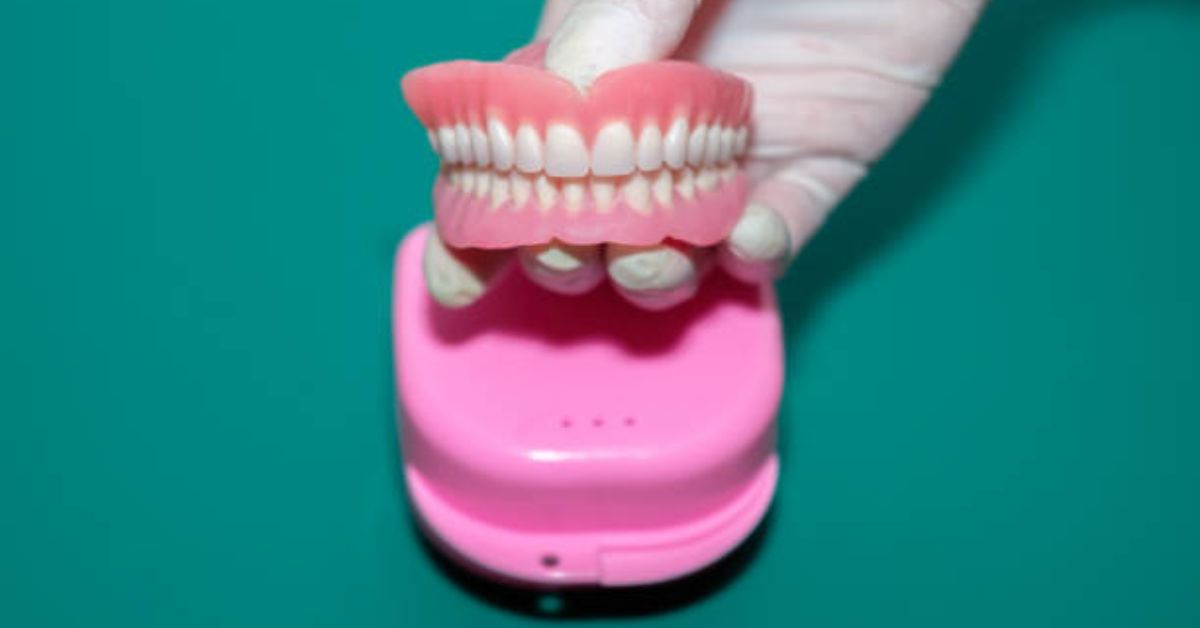

What Is a Denture Reline?
A denture reline involves resurfacing the part of the denture that sits against your gums. This helps the denture fit more closely to the current shape of your mouth. Denture relines in Lower Hutt do not change the teeth or overall structure of the denture. Only the fitting surface is adjusted, which can make the denture feel more secure. There are generally two types of relines: soft relines and hard relines. The right choice depends on your individual needs and will be discussed during a consultation.Why Might a Partial Denture Need Relining?
Gums and jawbones naturally change shape over months and years. This is a normal part of having missing teeth, as the bone in that area can gradually reduce. As these changes happen, a denture that once fit well may start to feel loose, rock slightly, or cause minor irritation. Relining helps the denture surface match these new contours. Common signs that a partial denture might benefit from a reline include looseness, food trapping underneath the denture, or mild discomfort when eating or speaking.Are Relines Suitable for Partial Dentures?
In many cases, yes. Relines can be a suitable option for partial dentures, particularly when the denture’s frame and teeth are still in good condition but the fit has changed. A dental professional will assess the denture and your mouth to determine whether a reline is appropriate. Factors considered may include the age and condition of the denture, the extent of fit changes, and your overall oral health. If the denture frame is worn, cracked, or no longer suitable, a reline may not fully resolve the issue. In these situations, other options may be discussed during your appointment.The Reline Process: What to Expect
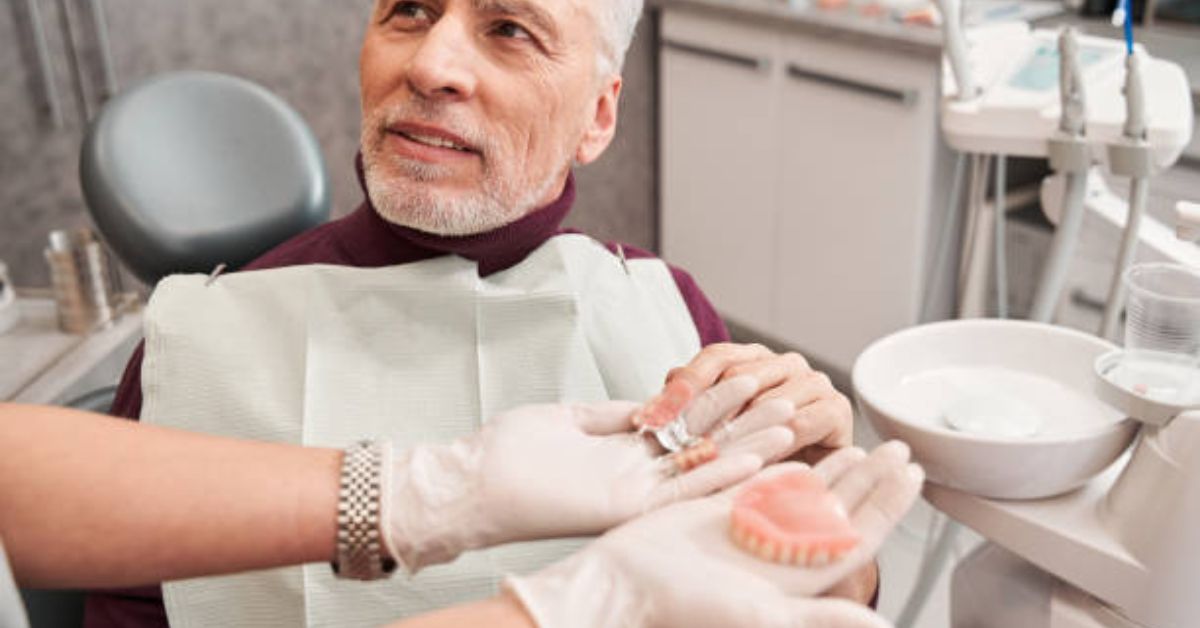
The reline process typically begins with an examination of your partial denture and an assessment of your gums and remaining teeth. An impression or mould is taken of your mouth while wearing the denture. This helps capture the current shape of your gums so the new lining can be fitted accurately. Depending on the type of reline, the work may be completed in the clinic on the same day, or the denture may need to be sent to a dental laboratory for the relining material to be applied and finished. Once complete, your relined denture is checked in your mouth at the dentures clinic in Lower Hutt to ensure it sits comfortably and fits well against your gums.Soft Relines vs Hard Relines for Partial Dentures
Soft Relines
Soft relines use a cushioning material that can provide added comfort, particularly for people with sensitive gums or thinner gum tissue. These materials may need to be replaced more frequently than hard relines.Hard Relines
Hard relines use a firmer acrylic material similar to the original denture base. These tend to be more durable and may be recommended for general fit adjustments. Your dental team can discuss which type may suit your situation, taking into account your comfort levels, gum condition, and how your denture is used day to day.How Long Do Denture Relines Last?
The lifespan of a reline can vary depending on the type of material used, how the denture is cared for, and ongoing changes in your mouth. Soft relines often need replacing sooner than hard relines, as the material can wear down with regular use. Regular dental check-ups can help monitor the fit of your partial denture over time, so any further adjustments can be discussed as needed.Frequently Asked Questions
How do I know if my partial denture needs a reline?
Signs that may indicate a reline is needed include the denture feeling loose, shifting while eating or talking, or causing minor sore spots. If you notice any of these changes, it’s worth having your denture checked by a dental professional. A reline is generally considered when the denture frame itself is still in good condition, but the fit has changed due to natural changes in your gums.Is getting a reline painful?
The process of taking an impression and fitting a relined denture is generally straightforward and well tolerated by most patients. Some people may experience mild, temporary sensitivity while adjusting to the new fit. If you experience ongoing discomfort after a reline, it’s a good idea to return to your dental clinic so adjustments can be made.How often should partial dentures be relined?
This varies from person to person, depending on factors such as how much your gums and jawbone change over time, the type of reline material used, and how well the denture is cared for. Your dentist can advise on a suitable schedule based on your individual circumstances during regular check-ups.Can all partial dentures be relined?
Most partial dentures can be relined, provided the frame and teeth are in good condition. However, dentures that are significantly worn, damaged, or very old may need a fuller assessment to determine the best option. A dental professional can examine your denture and discuss whether a reline or another solution may be more suitable for your situation.Conclusion
Denture relines can be a helpful option for many people wearing partial dentures, especially when the denture frame is still in good shape but the fit has changed over time. Soft and hard relines each offer different benefits depending on individual needs and comfort. If your partial denture feels loose, uncomfortable, or no longer fits as well as it used to, it may be worth having it assessed. The team at Dental Reflections Lower Hutt can discuss your denture’s condition and walk you through the options available, helping you make an informed decision about your oral health care.
Mustafa Ali is a Clinical Dental Technician with 13+ years’ experience, trained at the University of Otago. As a trusted dental technician in Lower Hutt, he specialises in digital denture treatments using advanced 3D technology to create natural-looking smiles. Combining artistry with clinical skill, he focuses on restoring confidence and improving patients’ quality of life.