
At a Glance
- A partial denture is a removable appliance that replaces one or more missing teeth while your natural teeth stay in place.
- Research suggests partial dentures may help people break food into smaller pieces with fewer chewing strokes.
- Most people need a few weeks to adjust to eating with a new partial denture.
- A good fit, regular check-ups and daily cleaning help a partial denture keep working well.
- A dental assessment is a recommended way to find out whether a partial denture may suit your mouth.
What Is a Partial Denture and How Does It Work?
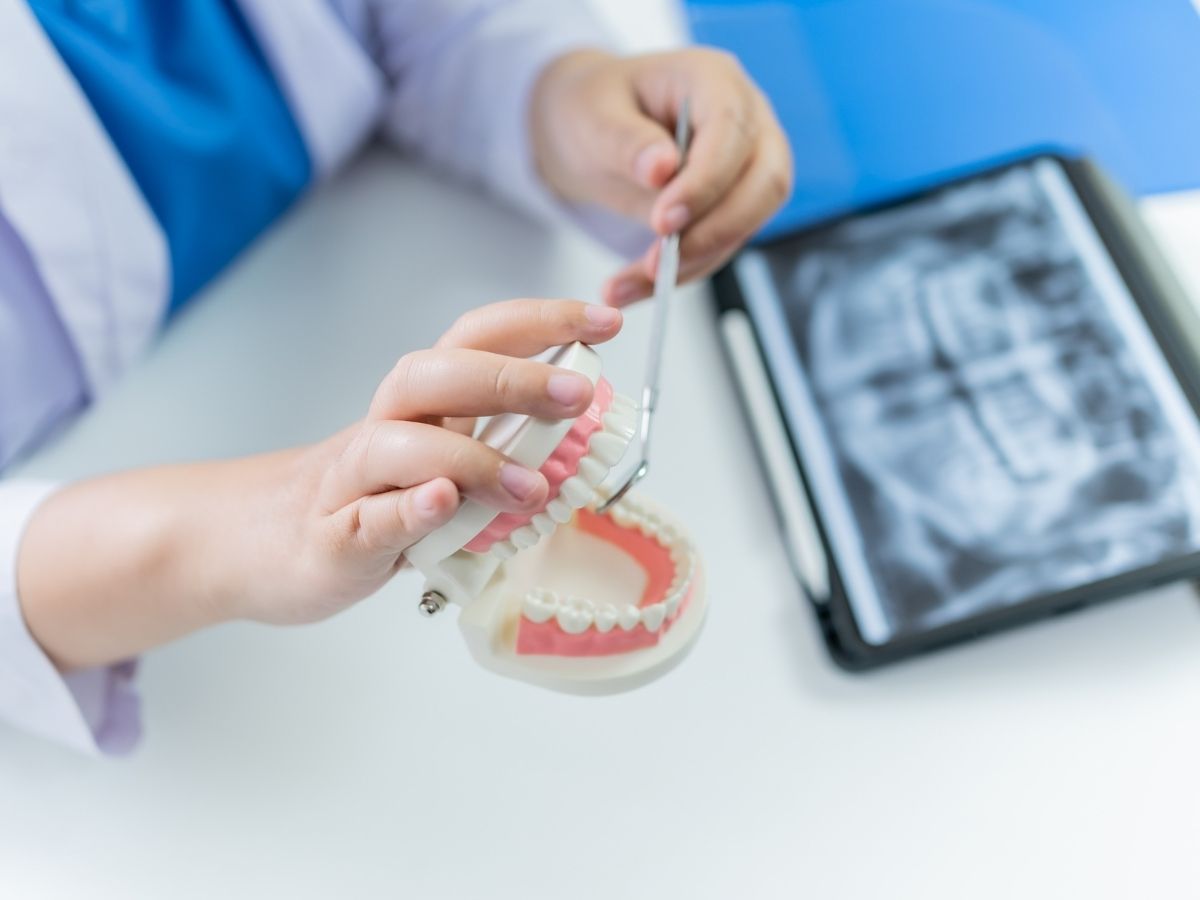
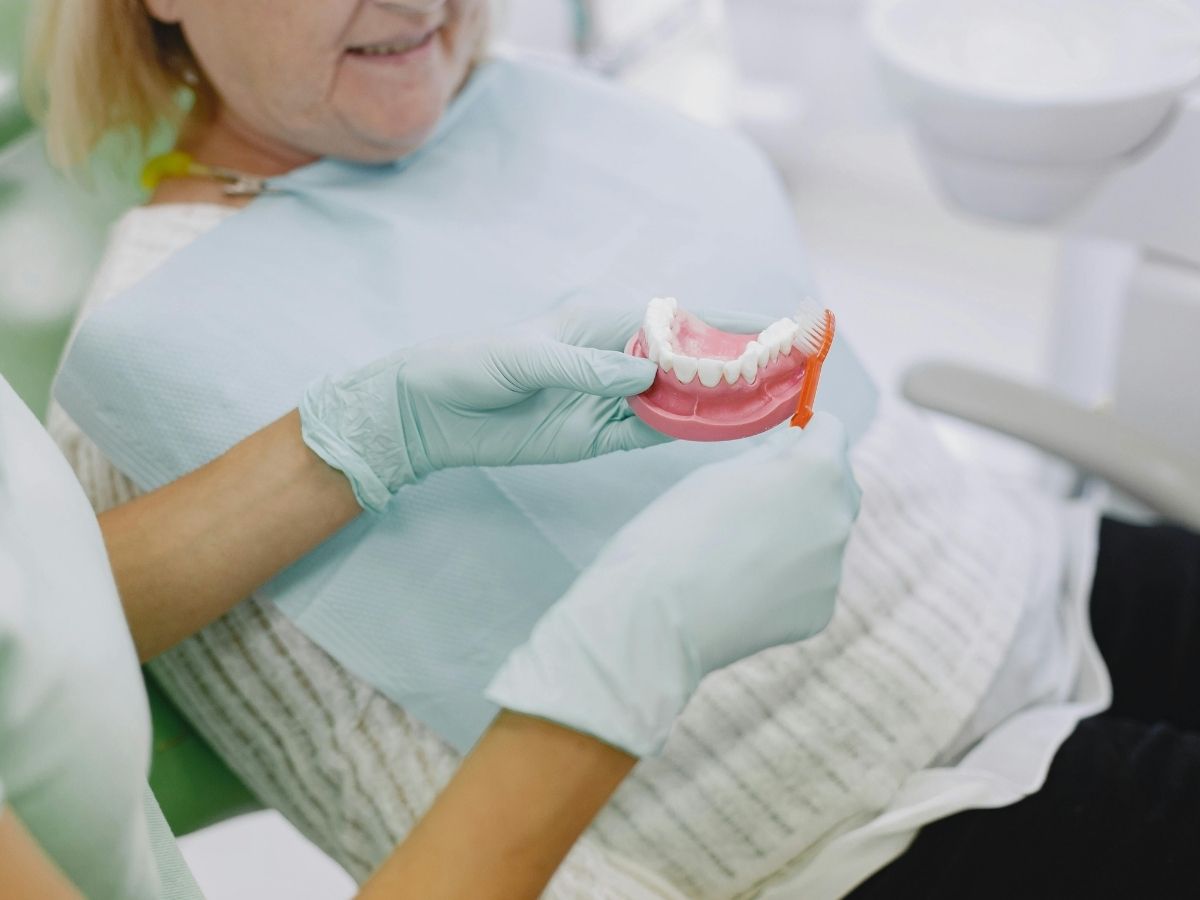
A partial denture is a removable dental appliance that replaces one or more missing teeth when some natural teeth remain. It has replacement teeth attached to a gum-coloured base, held in place by small clasps or attachments that grip nearby natural teeth. Each partial denture is custom-made from impressions or scans, with teeth positioned to meet your opposing teeth and designed to help create a more even chewing surface where possible. If you are exploring partial dentures in Lower Hutt, your clinician will check your gums, remaining teeth and bite before discussing a suitable design. Common types of partial dentures include:- Acrylic partial dentures: A plastic base that is often used as a lower-cost or interim option.
- Cobalt-chrome (metal frame) partial dentures: A thin metal framework that may offer a more secure fit for some patients.
- Flexible partial dentures: Made from a bendable nylon-type material that sits gently against the gums.
How Does Tooth Loss Affect Your Ability to Chew?
Tooth loss reduces the number of teeth that meet when you bite, leaving less surface area to crush and grind food. Missing back teeth, known as molars and premolars, often have a significant effect on chewing because these teeth do most of the heavy work of breaking food down. When gaps are left untreated, several changes can follow:- Chewing on one side: People often favour the side with more teeth, which can place extra load on those teeth and the jaw joint.
- Swallowing larger pieces: Food may not be broken down as well, which can make digestion less comfortable.
- Changing diet: Many people avoid fibrous vegetables, nuts and meats, which may reduce the variety of nutrients they eat.
- Shifting teeth: Neighbouring and opposing teeth can drift or tilt into the gap, changing the bite over time.
Can a Partial Denture Really Improve Chewing Ability?
For many people with missing teeth, a partial denture may help improve chewing ability. By filling gaps and restoring contact between the upper and lower teeth, a partial denture provides more surfaces to break down food, which may help with chewing comfort compared to having the gaps unfilled, though results vary between individuals. A study published in the Journal of Applied Oral Science tested people chewing carrots and peanuts with and without their removable partial dentures. With the dentures in place, participants broke both foods into smaller particles and needed fewer chewing cycles and less chewing time before swallowing. A partial denture is not the same as natural teeth, and chewing force with a removable appliance is usually lower than with a full set of healthy teeth. How much improvement you notice depends on how many teeth are missing, where the gaps are, the health of your gums and supporting teeth, and how well the denture fits. A visit to a denture clinic in Lower Hutt can help you understand what is realistic for your mouth. At Dental Reflections, each consultation starts with understanding your needs and discussing options that may suit your situation. When patients ask about partial dentures in Lower Hutt, the conversation usually starts with what foods they find hard to eat, because that helps shape a denture designed around their daily needs.
What Is It Like to Eat With a New Partial Denture?
Eating with a new partial denture usually feels unusual at first, and most people need around two to six weeks to adjust. During this time, your cheeks, tongue and chewing muscles learn to work with the appliance, and chewing gradually becomes more natural. In the first few days, you may notice extra saliva, mild soreness or a bulky feeling. These sensations are common and often settle as your mouth adapts. Sore spots or a denture that rocks while you chew are signs that a small adjustment may be needed. Rather than putting up with discomfort, book a review with your clinician. A quick adjustment at your local denture clinic in Lower Hutt may help improve comfort and chewing.What Tips Help You Chew Comfortably With a Partial Denture?
Some practical tips for chewing more comfortably with a partial denture include starting with soft foods, cutting food into small pieces, and chewing slowly using both sides of your mouth. These habits help the denture stay stable and give your mouth time to adapt to the denture. Try these steps as you adjust:- Start soft: Begin with foods like eggs, fish, cooked vegetables, pasta and yoghurt.
- Cut food small: Smaller pieces need less force and are easier to control.
- Chew on both sides: Spreading food across both sides helps keep the denture balanced.
- Bite with side teeth: Use your back teeth for tough foods rather than biting with front teeth.
- Add firmer foods gradually: Slowly reintroduce meats, raw vegetables and crusty bread over several weeks.
How Can You Keep Your Partial Denture Working Well?
Keeping a partial denture working well comes down to daily cleaning, caring for your natural teeth, and regular dental check-ups. A clean, well-fitted denture is more comfortable to wear and may support chewing over time. Remove and clean your partial denture every day with a soft brush and non-abrasive cleaner, and rinse it after meals. Brush and floss your natural teeth carefully, especially those that support the clasps, because these teeth help hold the denture in place. Your mouth changes naturally over time. Gums and bone can shrink slightly, which may loosen the fit and reduce chewing comfort. The New Zealand Dental Association encourages regular dental visits, and these check-ups allow your clinician to spot fit problems early and reline or adjust your removable partial denture when needed.Frequently Asked Questions
How long does it take to chew normally with a partial denture?
Most people adjust to chewing with a partial denture within two to six weeks. Starting with soft foods, cutting food into small pieces and chewing on both sides can help. If chewing still feels difficult after this time, a clinician can check the fit.Can I eat steak or apples with a partial denture?
Many people can eat firmer foods like steak or apples once they have adjusted to a partial denture. Cutting meat into small pieces and slicing apples rather than biting into them whole can make chewing easier and help keep the denture stable.Will a partial denture stop my other teeth from moving?
A partial denture fills gaps left by missing teeth, which may help reduce the chance of nearby teeth drifting out of position. Regular check-ups are still important to monitor your bite.How long does a partial denture last?
A partial denture often lasts five to ten years with good care, although this varies between individuals. Changes in your gums and bone may mean the denture needs relining, adjusting or replacing over time to keep it comfortable and effective for chewing.Final Thoughts
If you would like to learn more about the history, materials and different types of dentures, general background reading is available online, but the right choice for your mouth always depends on a personal dental assessment. A partial denture may help restore chewing ability after tooth loss by filling gaps, creating more biting surfaces and helping food break down more easily. Results vary between individuals, but with a good fit and daily care, many people find eating becomes more comfortable again. If missing teeth are making mealtimes harder, Dental Reflections welcomes you to book a consultation. The team can examine your teeth and gums, talk through your options and discuss a personalised treatment plan based on your needs. Source:- American Dental Association. Partial Dentures. Available at: https://www.mouthhealthy.org/all-topics-a-z/dentures-partial
- Leeds Teaching Hospitals NHS Trust. Removable Partial Dentures. Available at: https://www.leedsth.nhs.uk/patients/resources/removable-partial-dentures/
- Oral Health Foundation. Partial Dentures Guide. Available at: https://www.dentalhealth.org/partial-dentures
- NHS. Dentures (False Teeth). Available at: https://www.nhs.uk/tests-and-treatments/dentures/