
At a Glance
- Partial dentures fill gaps and may help reduce drifting and tilting of nearby teeth.
- Clasps and rests place some load on supporting teeth, so a good fit matters.
- Plaque can build up around clasps, which may raise the risk of decay and gum disease without careful cleaning.
- Cleaning both the denture and your natural teeth every day is important.
- Check-ups at least once a year help spot fit problems and changes in your remaining teeth early.
What Is a Partial Denture and How Does It Sit With Your Natural Teeth?
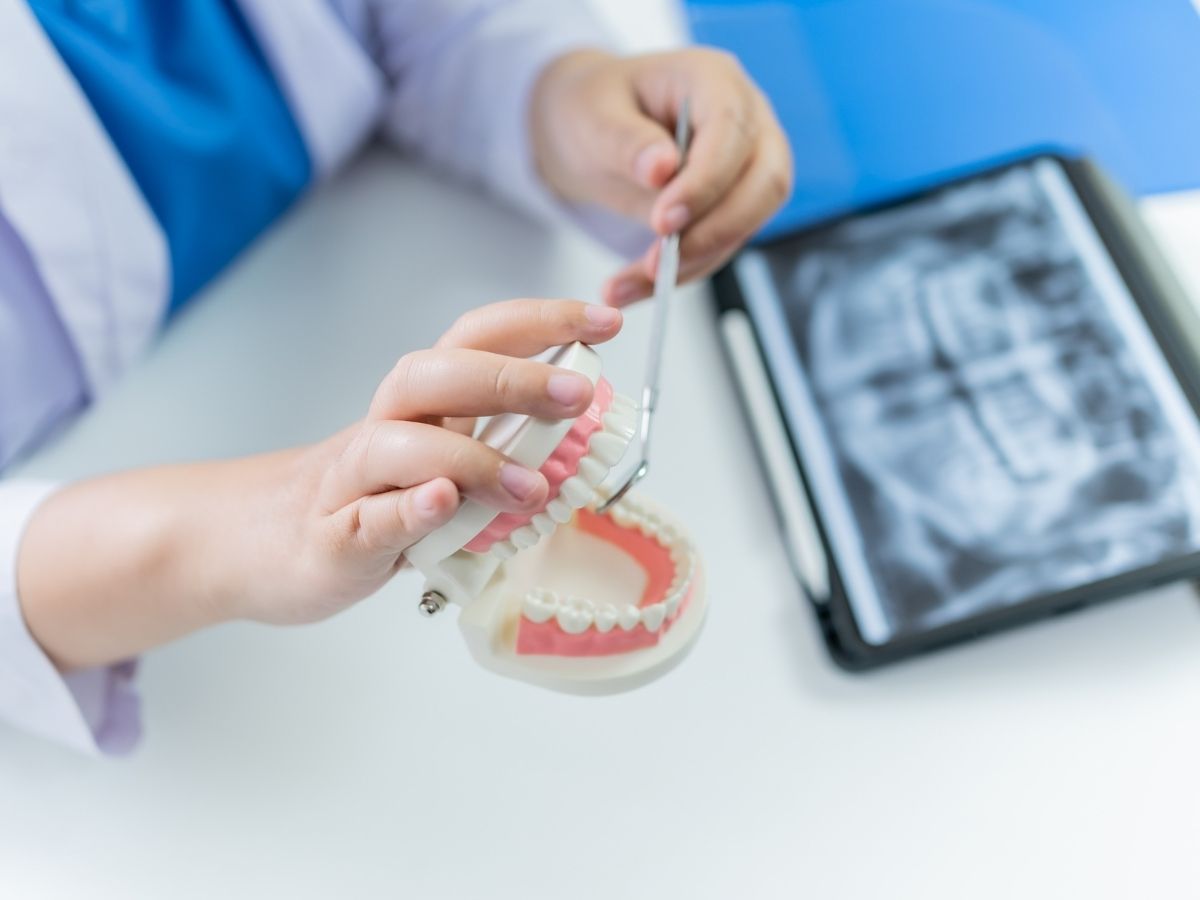
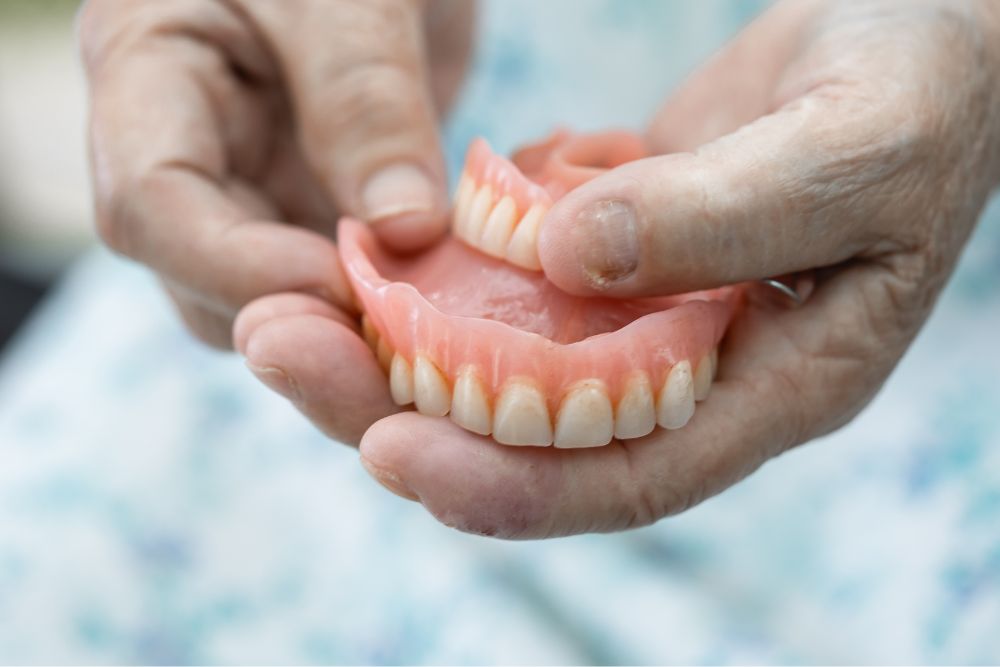
A partial denture is a removable appliance that replaces one or more missing teeth when some natural teeth remain. It rests on the gums and usually rests on or clips onto nearby natural teeth for support. If you are exploring a partial denture clinic in Lower Hutt , Dental Reflections can explain how they may affect your remaining teeth in both helpful and less helpful ways. A partial denture usually has replacement teeth set into a gum-coloured base. The base may be made of acrylic (plastic), a thin cobalt-chrome metal framework, or a flexible material. The NHS advises against wearing dentures overnight unless your dental professional recommends it. Many partial dentures use clasps that hook around nearby natural teeth to hold the denture in place. Abutment teeth are the natural teeth that these clasps and rests hold onto. Because abutment teeth help support the denture, they need extra attention with cleaning and check-ups. In New Zealand, partial dentures may be made by a dentist or a clinical dental technician. Healthify He Puna Waiora notes that a clinical dental technician needs an oral health certificate from a dentist before making a partial denture. This certificate confirms the remaining teeth and gums are healthy enough to support one.Can Partial Dentures Help Protect Your Remaining Teeth?
Partial dentures may help protect remaining teeth by filling gaps that nearby teeth could otherwise drift or tilt into. They can also spread chewing forces across more of the mouth, which may reduce the load on individual natural teeth. Results depend on the denture’s fit and design, and on daily oral hygiene. When a tooth is lost, the teeth on either side can slowly lean into the gap. The tooth in the opposite jaw may also move towards the space over time. These changes can affect your bite and make teeth harder to clean. Leeds Teaching Hospitals NHS Trust lists stopping remaining teeth from drifting out of line or tilting into spaces as one reason to replace missing teeth. The same guidance stresses that caring for your remaining teeth is still very important when you wear a partial denture. Fit and design play a significant role in how a partial denture affects your natural teeth. At Dental Reflections, each partial denture is designed around the shape of your mouth and the position of your remaining teeth. A consultation is a chance to discuss which type may suit your situation.Can Partial Dentures Increase the Risk of Decay or Gum Disease?
Partial dentures may increase the risk of tooth decay and gum disease if plaque is not cleaned away regularly. Food and bacteria can collect around clasps and where the denture meets the teeth and gums. Careful daily cleaning of both the denture and your natural teeth may help reduce this risk. Plaque is a sticky film of bacteria that forms on teeth every day. When plaque sits against teeth for long periods, it can lead to decay. When it builds up along the gumline, it can cause gum inflammation and, over time, gum disease. Healthify He Puna Waiora notes that natural teeth near denture clasps are especially prone to plaque build-up and decay. If you are looking for dentures in Lower Hutt the team at Dental Reflections can assess whether your current denture may need adjustment. A denture that moves when you chew may rub against teeth or gums, causing soreness and extra stress on supporting teeth. If you notice sensitivity, bleeding gums or a loose tooth near your denture, book a check for your partial dentures in Lower Hutt. Having the fit assessed early may help prevent a small problem from becoming a larger one.
How Can You Protect Your Natural Teeth While Wearing Partial Dentures?
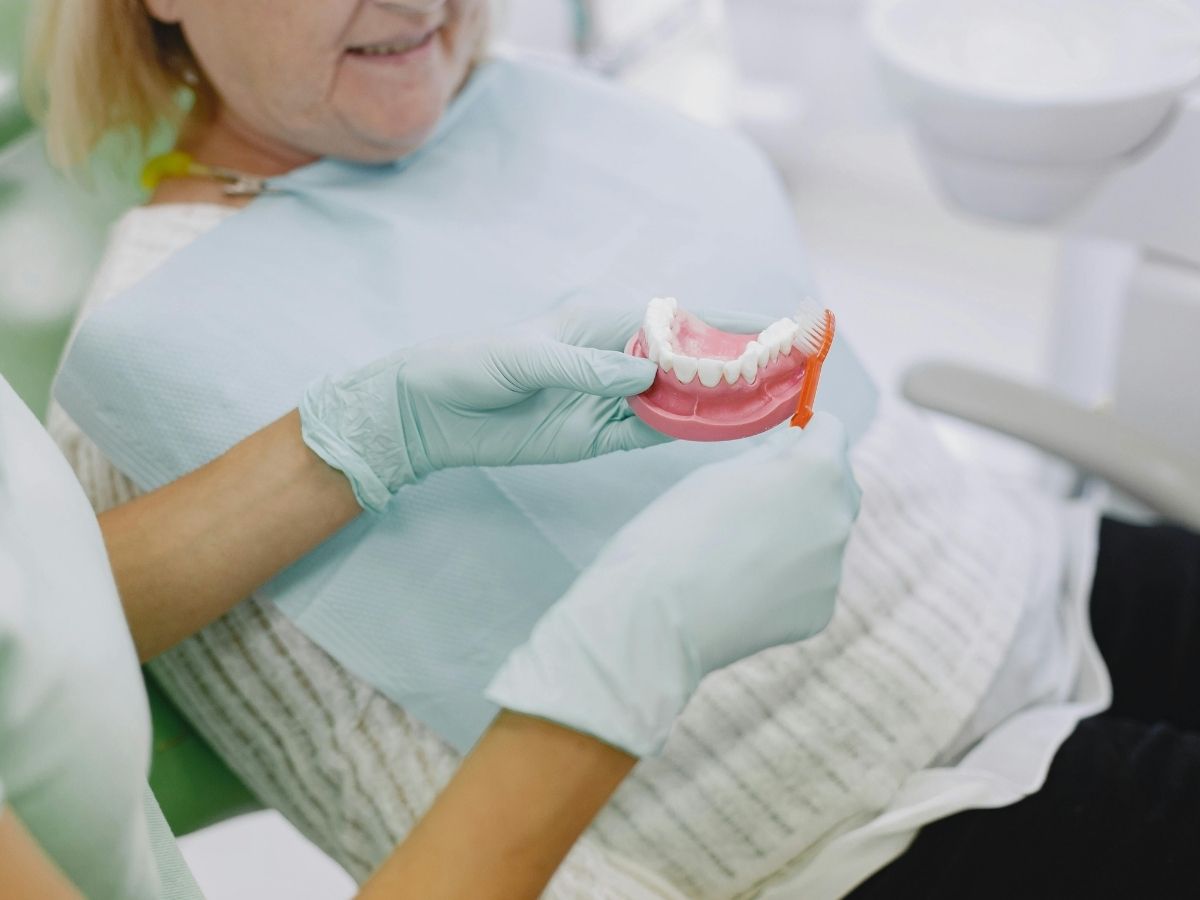
Good daily habits may help support the health of your natural teeth, including cleaning both your teeth and your partial denture every day, taking the denture out at night unless advised otherwise, and attending regular check-ups. These habits may help reduce plaque build-up and allow problems to be found early, before they affect supporting teeth. Try these daily habits:- Brush your natural teeth twice a day. Use fluoride toothpaste and take extra care around teeth that support clasps.
- Clean between your teeth. Use floss or interdental brushes to remove plaque where a toothbrush cannot reach.
- Clean your denture separately. Brush it daily with a soft brush and a mild, non-abrasive cleaner. Regular toothpaste is too abrasive and can scratch the denture.
- Take the denture out overnight. This gives your gums a rest, unless your dental professional advises otherwise.
- Rinse after meals. Removing and rinsing the denture after eating helps clear trapped food.
- Limit sugary snacks and drinks. Having sugar less often may help lower the risk of decay.
When Should You Have Your Partial Denture Checked?
Have your partial denture checked if it feels loose, rubs, catches or causes pain, or if you notice changes in nearby teeth or gums. Healthify He Puna Waiora recommends having your mouth and dentures checked at least once a year, or sooner if something changes, even when everything feels comfortable. Watch for these signs:- A loose or wobbly natural tooth near a clasp
- Bleeding, swollen or receding gums around the denture
- Sensitivity or a dark spot on a supporting tooth
- A denture that moves, rocks, clicks or feels tighter or looser than before
- Sore spots, ulcers or cracks in the denture
Frequently Asked Questions
Can a partial denture damage my natural teeth?
A partial denture can affect natural teeth if plaque builds up around it or if it does not fit well. Clasps that rub or move may also wear or stress the supporting teeth. Daily cleaning and regular check-ups may help reduce these risks.Do partial dentures stop teeth from moving?
Partial dentures fill gaps, which may help reduce drifting and tilting of nearby teeth. They can also help limit movement of opposing teeth into the space. How well this works depends on the fit and on wearing the denture as advised.Should I sleep with my partial denture in?
Most people are advised to take their partial denture out at night to give the gums a rest. Trapped food can raise the risk of gum infections and tooth decay. Clean the denture and store it in water or a soaking solution, and follow your dental professional’s advice if your situation differs.How often should I have my partial denture checked?
Have your mouth and partial denture checked at least once a year, or as often as your dental professional recommends. Regular reviews help spot fit problems, decay or gum changes early. If you notice pain or looseness, book a check without waiting for your next review.Final Thoughts
Partial dentures can affect natural teeth in helpful ways, such as filling gaps and supporting a stable bite. They also need good care, because plaque and a poor fit can put the remaining teeth at risk. Daily cleaning, taking the denture out overnight and regular check-ups may all help protect your natural teeth. As of 2026, partial dentures are available in acrylic, metal-framework and flexible designs, but every mouth is different and outcomes vary depending on individual circumstances. This article is general information and is not a substitute for personalised advice. If you are considering partial dentures in Lower Hutt or have concerns about your current denture, Dental Reflections can talk through your options. A personalised treatment plan can be discussed during a consultation, whether you need a new partial denture, a reline or an adjustment. Sources:- Oral Health Foundation. Partial Dentures Guide. Available at: https://www.dentalhealth.org/partial-dentures
- NHS. Dentures (False Teeth). Available at: https://www.nhs.uk/tests-and-treatments/dentures/
- American Dental Association. Partial Dentures. Available at: https://www.mouthhealthy.org/all-topics-a-z/dentures-partial
- Leeds Teaching Hospitals NHS Trust. Removable Partial Dentures. Available at: https://www.leedsth.nhs.uk/patients/resources/removable-partial-dentures/