How Are Custom Full Dentures Made to Fit Your Mouth Perfectly?

How Are Custom Full Dentures Made to Fit Your Mouth Perfectly?
Full dentures look simple from the outside. But behind a well-fitting, natural-looking set of dentures is a detailed process, one that involves multiple clinical appointments, careful measurements, and skilled handwork to produce a result that fits your mouth specifically.
Understanding how custom full dentures are made helps you know what to expect from the process, why it takes the time it does, and why the steps involved matter for the final result. If you are preparing to have full dentures made, or are considering them for the first time, this guide walks through the key stages.
At Dental Reflections, Qualified Clinical Dental Technicians in Lower Hutt, Upper Hutt, and Wainuiomata use modern techniques including digital scanning and 3D-printed models to produce custom full dentures. Free consultations are available.

Stage One: Consultation and Assessment

The process begins with an assessment of your mouth. Before any impressions are taken, the dental technician will examine the ridges of your jaw, the condition of your gum tissue, and the overall shape of your mouth. If you have existing dentures, how they have been fitting and wearing will also be assessed.
This initial appointment establishes the clinical picture and allows a treatment plan to be developed. For patients coming to dentures for the first time, it is also an opportunity to ask questions and understand what the process involves before committing to treatment.

Stage Two: Impressions and Measurements

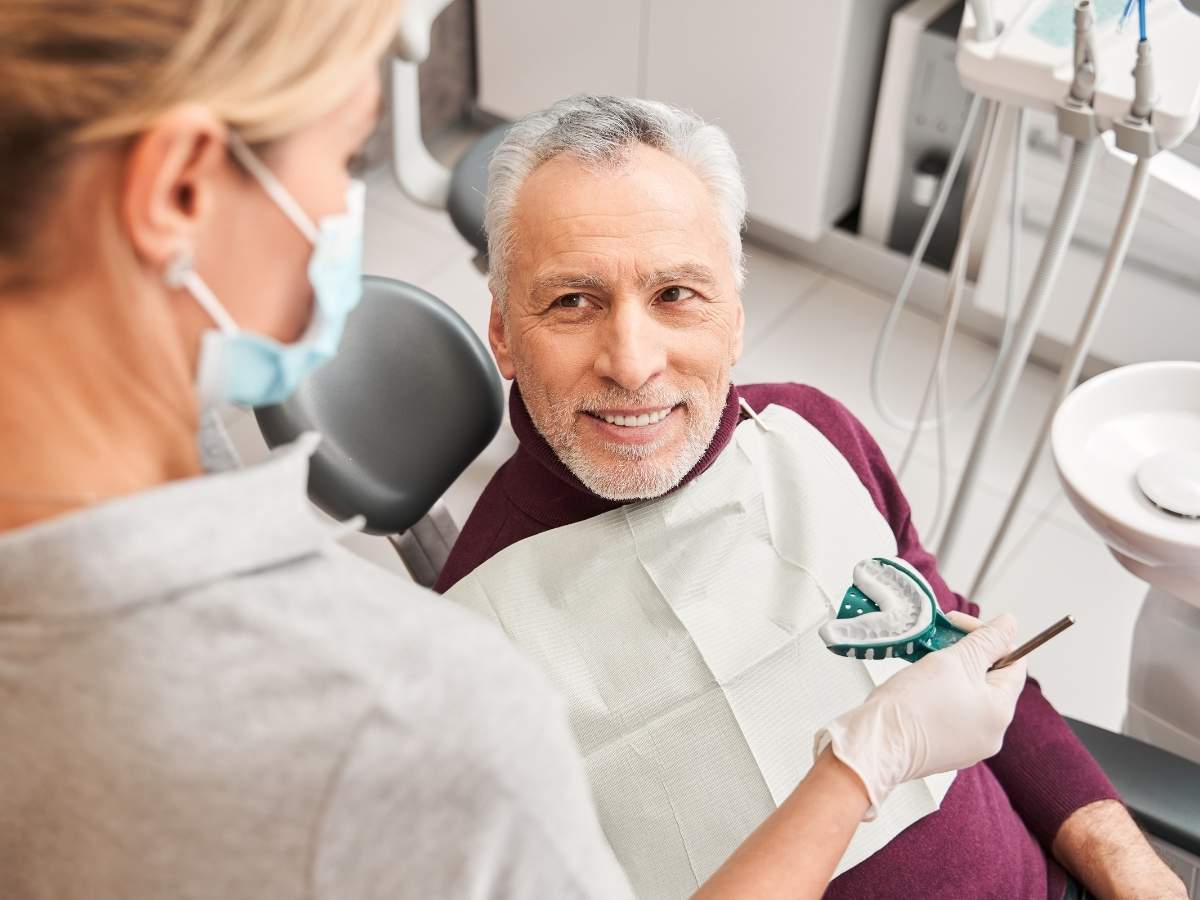
Accurate impressions of the upper and lower jaw ridges are the foundation of a well-fitting denture. Primary impressions are taken first using standard impression trays to create an initial model of the mouth. From these, custom impression trays are made designed specifically for your jaw shape and used to take a second, more detailed set of impressions.
Bite registration is also recorded at this stage. The relationship between your upper and lower jaws how they come together, the height between them, and the natural position they rest in directly determines how the full dentures in lower hutt will function when you chew and speak. Getting this right is critical to comfort and function.
Modern technology improves accuracy.
At Dental Reflections, digital scanning is used in the impression process where appropriate. A digital scan of your teeth and ridges allows for precise models to be created, reducing the margin for error compared to traditional methods alone.

Stage Three: Selecting the Teeth

The choice of teeth is one of the most personally significant parts of the process. Size, shape, and shade are all considered in the context of the individual patient their face shape, skin tone, age, and personal preferences all play a role in which teeth are selected.
At Dental Reflections, a wide selection of tooth options is available so that choices can be made to suit the individual rather than defaulting to a standard appearance. The goal is dentures that look as though they belong in that person’s face natural rather than obviously artificial.

Stage Four: Trial Dentures

Before the final dentures are produced, a trial set is made. These are the teeth set in wax, allowing the patient to assess both the appearance and the function of the denture before anything is finalised. This is one of the most important and often underappreciated stages in the process.
The trial allows the position, shade, and size of the teeth to be assessed in the patient’s actual mouth. It also allows the bite to be checked and adjusted while changes are still straightforward to make. Any adjustments identified at the trial stage are carried out before the final dentures are processed.
Skipping or shortening this stage is one of the key differences between a carefully produced custom denture and a faster, more standardised approach, something any experienced dentist in Lower Hutt will be quick to point out.

Stage Five: Final Processing and Fitting

Once the trial is approved, the dentures are processed the wax is replaced with high-grade acrylic, and the finished dentures are produced. At the fitting appointment, the dentures are placed in the mouth and assessed carefully for fit, comfort, and bite. Minor adjustments are typically needed at this stage, and these are carried out before the patient leaves.
Using the 3D-printed models created earlier in the process, the technician is able to make any adjustments with reference to the accurate model of the patient’s own jaw improving precision at this stage compared to working without one.

Stage Six: Follow-Up and Adjustment

New dentures almost always require some follow-up. As the mouth adapts to the new prosthetic, areas of pressure or minor discomfort may emerge that were not apparent immediately after fitting. Follow-up appointments allow these to be identified and resolved.
Over time, the shape of the jaw ridge can change, affecting how the denture sits. Regular check-ups and relining when needed keep the fit accurate as these changes occur.
Adapting to new dentures is also a process that happens gradually. Speaking and eating may feel different in the early days, and patients often require a short adjustment period to become fully comfortable with their new dentures. With consistent wear and minor adjustments where needed, most patients find that function and comfort improve steadily over time.

Frequently Asked Questions

How many appointments does it take to get full dentures?
Most patients require between four and six appointments from initial assessment to final fitting, though the exact number depends on individual circumstances. The process includes consultation, impression-taking, bite registration, tooth selection, trial fitting, final fitting, and follow-up. At Dental Reflections, the team will outline the expected appointments for your specific situation from the outset.

How are digital scans different from traditional impressions?
Traditional impressions involve placing soft putty in a tray that is pushed over the jaw to capture its shape. Digital scanning captures a detailed three-dimensional image of the mouth without the need for impression material. Both methods produce accurate models when carried out correctly. Digital scanning can be more comfortable for patients with a strong gag reflex and produces models that can be used directly in the fabrication process.

What is a 3D-printed model used for? A 3D-printed model is an accurate replica of the patient’s jaw made from the digital scan data. It is used throughout the fabrication process to ensure the denture is shaped precisely for that patient’s anatomy. It also provides a reference for adjustments during fitting and any future relining or repairs.

What if I am not happy with how the trial denture looks?
The trial stage exists precisely to allow adjustments before the dentures are finalised. If the shade, shape, or position of the teeth is not right at the trial, changes can be made. The team at Dental Reflections encourages patients to give honest feedback at this stage it is far easier to make adjustments before the final denture is processed than after.

Final Thoughts

The process of making custom full dentures is detailed, deliberate, and built around the individual patient. Each stage from the initial impressions through to the final fitting contributes to a result that fits well, functions comfortably, and looks natural.
If you are in Lower Hutt, Upper Hutt, or Wainuiomata and would like to understand what the process would involve for your specific situation, the team at Dental Reflections offers free consultations to help you take the first step with confidence.  
Related Posts
Leave a Reply

Your email address will not be published.Required fields are marked *