
At a Glance
- Rinse your night guard with cool water immediately after you take it out each morning
- Brush it gently with a soft toothbrush, but never with your regular toothpaste
- Give it a deeper clean once a week using a dentist-recommended cleaning solution
- Always store it dry in its ventilated case, never wrapped in tissue or a pocket
- Keep it away from heat and hot water, which can warp the material
- Bring it to your regular dental check-ups so your clinician can review its condition
How Should You Clean a Night Guard Every Day?
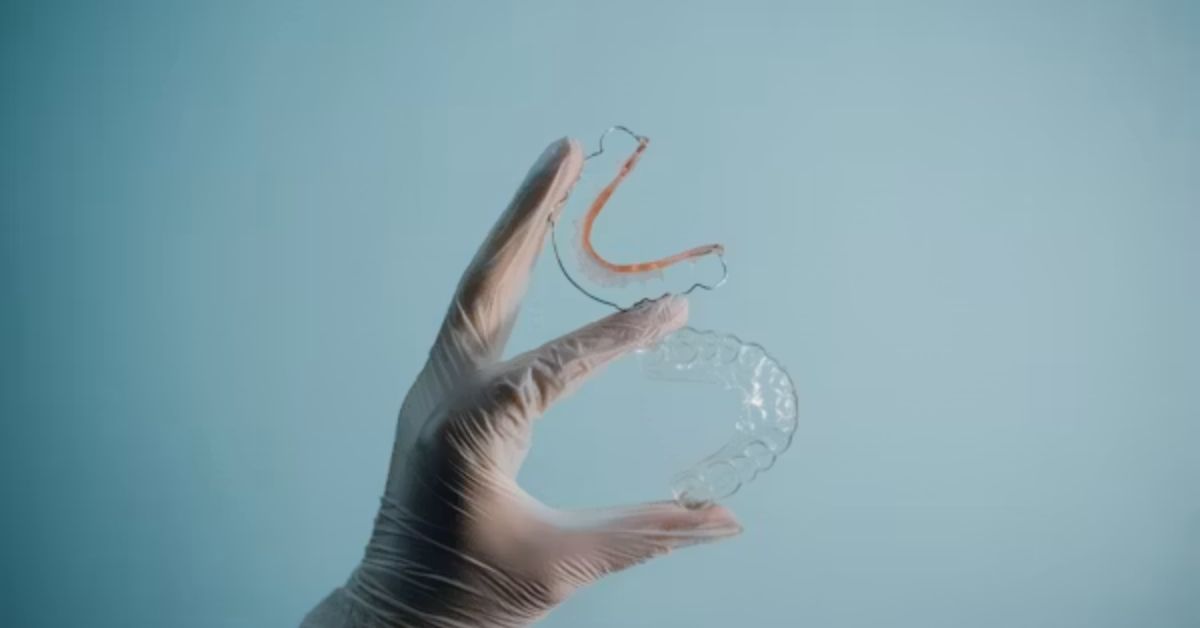
A night guard should be rinsed under cool running water and gently brushed with a soft-bristled toothbrush every time you take it out. This removes saliva and loose debris before it has a chance to dry onto the surface or build up overnight. Avoid using your regular toothpaste on your appliance, as many toothpastes contain mild abrasives that are fine for tooth enamel but can scratch the surface of an acrylic or thermoplastic guard. Scratches create tiny grooves where bacteria can gather, which works against the purpose of cleaning it in the first place. A soft toothbrush kept specifically for your night guard in Lower Hutt, rather than the one you use on your teeth, is a simple habit that helps avoid cross-contamination and keeps the appliance in better condition over time.How Do You Do a Deeper Weekly Clean?
Once a week, your night guard benefits from a more thorough soak in a cleaning solution designed for dental appliances, rather than just a quick brush. This helps address bacteria and residue that a daily rinse alone may not fully remove. Denture or retainer cleaning tablets, or a solution your clinician recommends, are generally suitable for this purpose. Follow the soaking time on the product packaging, then rinse the guard thoroughly under cool water before it goes back in your mouth or into storage. It’s worth checking with your clinician about dentures in Lower Hutt before trying any cleaning product you haven’t used before, since some materials respond differently to certain solutions.How Do You Store a Night Guard Correctly?
A night guard should always be stored dry, in the ventilated case provided, once it’s fully cleaned. Storing it wet or in a sealed, non-ventilated container can encourage bacteria and odour to build up. Avoid leaving your night guard loose in a bag, wrapped in a tissue, or sitting on a bathroom surface, as it’s easily damaged, lost, or exposed to pets and curious children in these situations. A dedicated case that travels with your toothbrush or bedside items makes the habit easier to stick to. If you’re travelling, pack the case somewhere it won’t be crushed, and let it air dry for a few minutes after cleaning before closing the case, so moisture doesn’t get trapped inside. It’s also a good idea to inspect your night guard regularly for signs of wear, cracks, rough edges, or changes in fit. If the appliance becomes damaged or no longer feels comfortable, arrange a dental check-up so it can be assessed. Avoid exposing the guard to hot water, direct sunlight, or high temperatures, as heat may alter its shape and affect how it fits. Keeping the storage case clean is equally important; wash it periodically with mild soap and water and allow it to dry completely before use. These simple storage habits can help maintain the condition of your night guard and support good oral hygiene between dental visits.
What Should You Avoid When Cleaning or Storing a Night Guard?
Heat is the biggest risk to a night guard, so hot water, dishwashers, boiling, and leaving it in a hot car should always be avoided, as they can warp the fit permanently. A guard that no longer fits correctly may not protect your teeth as intended. Alcohol-based mouthwashes and harsh chemical cleaners are also best avoided unless your clinician has specifically recommended them, since some can degrade certain appliance materials over time. Similarly, avoid chewing on your night guard or using it for anything other than sleep, as this places unnecessary stress on the appliance. If you ever notice cracks, an unusual odour that doesn’t clear with cleaning, or a change in fit, it’s worth booking a review appointment rather than continuing to use the appliance as normal.How Often Should a Night Guard Be Replaced?
A night guard doesn’t last indefinitely, and how long yours lasts depends on the material, how often it’s worn, and the intensity of grinding or clenching. Regular care can help extend its lifespan, but wear is still expected over time. Your clinician will check the fit and condition of your guard at your regular dental visits and let you know if it’s time to consider a replacement. Continuing to wear a worn-out or ill-fitting guard reduces how well it can protect your teeth. Changes in your teeth, dental restorations, or bite may also affect how a night guard fits over time. If you notice discomfort, looseness, visible wear, or difficulty wearing the appliance, contact your dental professional for advice. Regular monitoring helps ensure the guard continues to fit appropriately and function as intended. Additionally, follow any care instructions provided by your dental team and bring your night guard to check-up appointments when requested. This allows its condition and fit to be reviewed as part of your ongoing oral health care.Frequently Asked Questions
Can I clean my night guard with regular toothpaste?
It’s best to avoid regular toothpaste, as the mild abrasives in many formulas can scratch the surface of your appliance over time. A soft toothbrush with cool water, plus a weekly soak in a dentist-recommended cleaning solution, is a gentler routine for your appliance.Is it safe to use mouthwash to clean a night guard?
Alcohol-based mouthwashes aren’t generally recommended for cleaning night guards, as they may affect certain appliance materials over time. Ask your clinician at your next visit which cleaning products are suitable for your specific guard.How do I stop my night guard from smelling?
A consistent daily rinse and brush, combined with a weekly deeper clean and proper dry storage, is usually enough to prevent odour build-up. If a smell persists despite regular cleaning, it’s worth having your clinician take a look at your appliance.Can I store my night guard in water?
Once your night guard has been cleaned, it should be dried and stored in its ventilated case rather than left sitting in water, as damp storage can encourage bacterial growth. Some clinicians may give different advice for specific materials, so it’s best to confirm your guard’s care instructions at your fitting appointment.How long does a custom night guard typically last?
Lifespan varies from person to person depending on the material used and the severity of grinding, and your clinician can give you a clearer estimate based on your individual situation. Regular check-ups are the best way to monitor its condition and know when replacement might be needed.Looking After Your Night Guard for the Long Term
Cleaning and storing your night guard properly is a small daily habit that protects a custom appliance designed specifically for your bite. A quick rinse and brush each morning, a weekly deeper clean, and dry storage in a ventilated case can help keep it hygienic and support it lasting as intended. If you have questions about caring for your night guard, or if you’ve noticed any changes in its fit or condition, the team at Dental Reflections Lower Hutt is happy to help at your next review appointment. Treatment outcomes and appliance lifespan vary depending on individual circumstances, so a personalised discussion with your clinician is always the best next step. Sources:- NZDA — Oral Health for Older People (denture/appliance care analogy) — https://www.nzda.org.nz/public/your-oral-health/older-people
- Ministry of Health NZ (Manatū Hauora) — oral health information for New Zealanders, https://www.health.govt.nz/strategies-initiatives/programmes-and-initiatives/oral-health
- New Zealand Dental Association (NZDA) – Oral Health Resources https://www.nzda.org.nz/public/your-oral-health
- Ministry of Health NZ – Good Oral Health for All, for Life https://www.health.govt.nz/publications/good-oral-health-for-all-for-life