
Can Night Guards Help With Morning Headaches?

Can Night Guards Help With Morning Headaches?
Waking up with a dull ache around your temples or jaw can be frustrating, especially if it happens often. Many people don’t realise that this discomfort may be linked to nighttime teeth grinding or jaw clenching, a condition known as bruxism. If you’ve been searching for relief and have come across information on dental night guards in Lower Hutt, you may be wondering whether this simple device could actually make a difference. This article looks at how night guards work, what causes morning headaches related to jaw tension, and what you can expect from this type of treatment.

What Causes Morning Headaches Related to Jaw Tension?

Morning headaches are not always caused by dental issues, but jaw clenching and teeth grinding are common contributors for many people. During sleep, some individuals unconsciously clench their jaw muscles or grind their upper and lower teeth together. This repeated muscle activity can place strain on the jaw joint and the surrounding muscles, including those that connect to the temples and forehead. Over time, this tension may contribute to a tight, throbbing sensation when you wake up. If this sounds familiar, a dentist may discuss options such as dental night guards in Lower Hutt to help reduce pressure on the jaw during sleep. Other signs that may accompany bruxism include jaw soreness, tooth sensitivity, and a feeling of tightness in the face when chewing.

How Does Bruxism Affect the Jaw and Head?

The muscles used for chewing are some of the strongest in the body. When they are overworked during sleep due to repeated clenching, they can remain tense even after waking. This sustained tension can radiate outward, affecting the temples, the sides of the head, and sometimes the neck and shoulders. For some people, this presents as a tension-type headache that is most noticeable in the morning and may ease slightly as the day goes on. It’s worth noting that headaches can have many causes, including stress, dehydration, posture, and sleep quality. A dental check-up can help determine whether bruxism is playing a role in your symptoms.

What Is a Night Guard and How Does It Work?

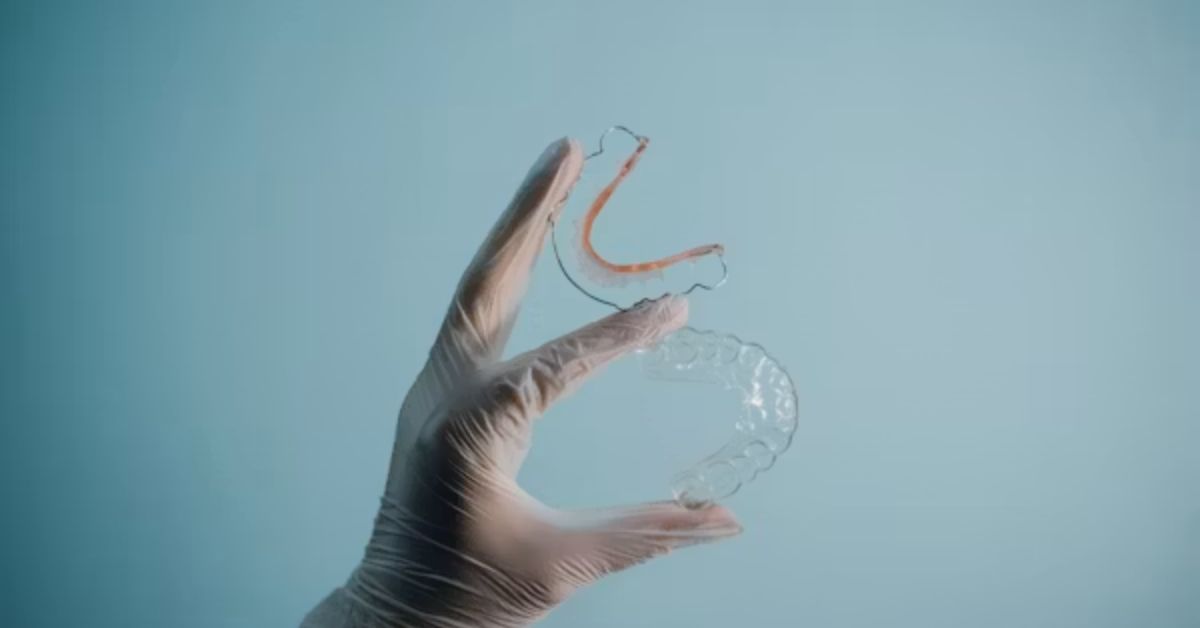
A night guard is a custom-made oral appliance worn over the teeth during sleep. It is typically made from a durable, comfortable material that fits snugly over the upper or lower teeth. The main purpose of a night guard is to create a barrier between the upper and lower teeth, which may help reduce the direct impact of grinding. This can also help distribute the force of clenching more evenly across the jaw. For some patients, this reduction in muscle strain may help ease the tension that contributes to morning headaches and jaw discomfort. Treatment outcomes vary depending on individual circumstances, so a personalised assessment is important.

Custom-Fitted vs Over-the-Counter Night Guards

Night guards are available in different forms, including over-the-counter “boil and bite” versions and custom-made guards fitted by a dental professional. Over-the-counter options may offer some short-term protection, but they are not tailored to your individual bite. A poor fit can sometimes cause additional discomfort or fail to provide adequate support for the jaw muscles. A custom-fitted night guard is designed based on an impression or scan of your teeth, allowing for a more precise and comfortable fit. This personalised approach is generally considered more suitable for ongoing use.

What Happens During a Night Guard Consultation?

If you’re considering a night guard, the process usually begins with a consultation and dental examination. This allows your dentist to assess your bite, jaw movement, and any visible signs of wear on your teeth. Your dentist may also ask about your sleep habits, stress levels, and any symptoms such as headaches, jaw pain, or facial tightness. This information helps build a clearer picture of your overall oral health. For patients who also wear dentures in Lower Hutt, this assessment may also consider how a night guard could fit alongside their existing denture. If a night guard is considered appropriate, impressions or digital scans of your teeth will be taken to create a guard that fits your mouth precisely. A personalised treatment plan can be discussed during your consultation.

Other Lifestyle Factors That May Help Reduce Jaw Tension

While a night guard may help protect your teeth and ease some muscle strain, other lifestyle adjustments can also support jaw relaxation. Managing stress through relaxation techniques, being mindful of jaw clenching during the day, and maintaining good posture, particularly when working at a desk, may all contribute to reduced tension. Staying hydrated and maintaining a consistent sleep routine are also commonly recommended for general headache management. Your dental team can offer general guidance, but persistent headaches should also be discussed with your GP.

Frequently Asked Questions

How Long Does It Take to Notice a Difference After Wearing a Night Guard?

Every patient responds differently, and timeframes can vary. Some people notice a change in jaw comfort within a few weeks of consistent use, while for others it may take longer. It’s important to wear the night guard as recommended by your dentist and to attend any follow-up appointments. This allows adjustments to be made if needed for comfort and fit.

Can a Night Guard Stop Teeth Grinding Completely?

A night guard is designed to help protect your teeth from the effects of grinding and may help ease some muscle tension. However, it does not necessarily stop the grinding action itself. For some patients, addressing underlying factors such as stress may also be part of a broader approach. Your dentist can discuss what options may be suitable for your situation.

Is It Normal for a Night Guard to Feel Strange at First?

Yes, it’s common for a new night guard to feel unfamiliar during the first few nights. Most people adjust to wearing one within a short period. If discomfort continues beyond the initial adjustment period, or if the guard feels too tight or loose, it’s a good idea to have it checked and adjusted by your dentist.

Will a Night Guard Fix All Types of Headaches?

Not necessarily. Headaches can have many different causes, and a night guard is generally aimed at addressing jaw tension related to grinding or clenching. If your headaches continue or worsen, it’s important to seek further advice from your dentist or GP to explore other possible causes.

Conclusion

Morning headaches linked to jaw tension can be uncomfortable, but understanding the possible connection to teeth grinding is a useful first step. A custom-fitted night guard may help protect your teeth and ease some of the muscle strain associated with bruxism, though results can vary from person to person. If you’ve been experiencing recurring morning headaches, jaw soreness, or signs of tooth wear, it may be worth having a chat with your dental team about whether a night guard could be a suitable option for you. The team at Dental Reflections Lower Hutt can assess your individual needs and discuss a personalised approach during a consultation.
Dr. Mustafa Ali
Dr. Mustafa Ali

Mustafa Ali is a Clinical Dental Technician with 13+ years’ experience, trained at the University of Otago. As a trusted dental technician in Lower Hutt, he specialises in digital denture treatments using advanced 3D technology to create natural-looking smiles. Combining artistry with clinical skill, he focuses on restoring confidence and improving patients’ quality of life.

Related Posts
Leave a Reply

Your email address will not be published.Required fields are marked *