
At a Glance
- A dental night guard is a custom-fitted device worn over the teeth during sleep, designed to help cushion the impact of grinding and clenching.
- It creates a physical barrier so your upper and lower teeth are not in direct contact with each other.
- Night guards may help reduce jaw muscle tension linked to grinding for some wearers, though they don’t stop the grinding reflex itself, and results vary from person to person.
- Store-bought guards exist, but a custom-fitted guard is made from a mould of your own teeth, so it’s shaped specifically to fit your bite.
- If you’re waking up with jaw soreness, headaches, or flattened teeth, it’s worth having your bite assessed at a Lower Hutt clinic like Dental Reflections.
What Is a Dental Night Guard?
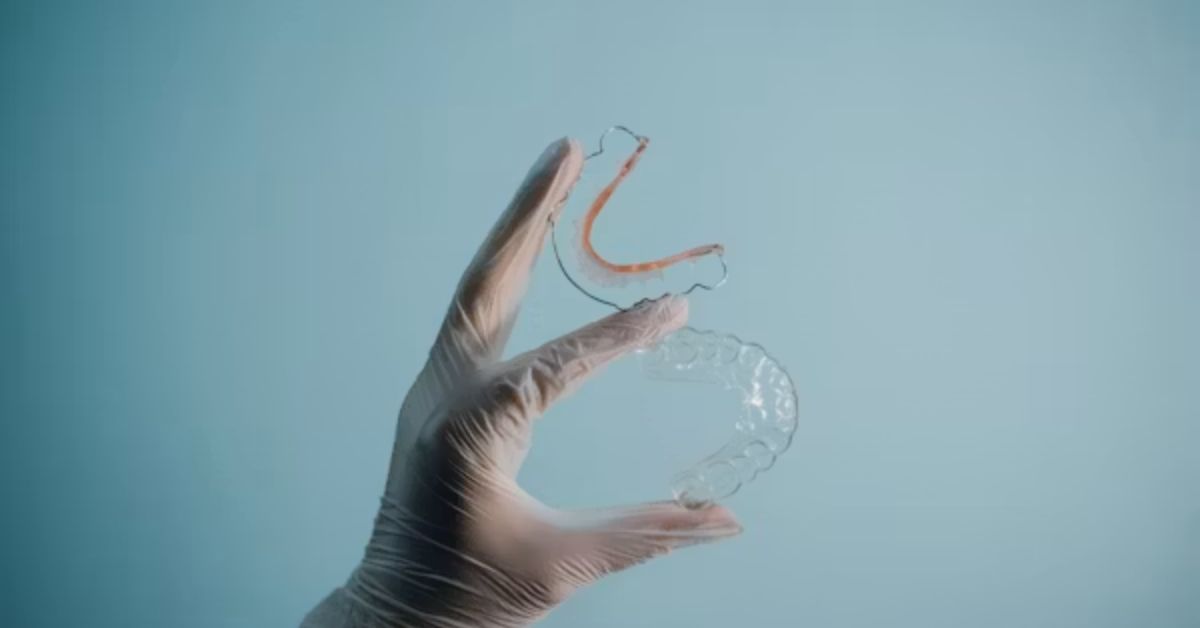
A dental night guard is a thin, custom-moulded appliance made of durable plastic that fits over your upper (or sometimes lower) teeth and is worn while you sleep. It’s designed to sit between your top and bottom teeth so they are not in direct contact when you grind or clench. Night guards are typically made from an impression or digital scan of your teeth, so the fit is specific to your mouth. A dental night guard in Lower Hutt is designed to fit comfortably and provide support based on your individual needs. This is different from a sports mouthguard, which is designed to absorb impact from a knock or fall rather than the sustained, repetitive pressure of nighttime grinding.How Is a Night Guard Different From a Retainer?
A night guard is built to withstand grinding forces and is usually a bit thicker in the back molar area, where most grinding pressure lands. A retainer, by contrast, is designed to hold your teeth in a fixed position after orthodontic treatment and isn’t built to absorb the same level of pressure.What Is Bruxism, and Why Does It Happen at Night?
Bruxism is the medical term for grinding, clenching, or gnashing your teeth, and it can happen during the day or at night without you realising it. Sleep-related bruxism is particularly common because it happens involuntarily while the body is at rest, so most people only find out about it from a partner who hears the noise, or from a dentist or dental technician noticing flattened or worn tooth surfaces. A number of things can contribute to teeth grinding, including stress, an uneven bite, sleep-related breathing issues, and certain medications. A dental clinic in Lower Hutt can help you understand the possible factors associated with teeth grinding and what may be worth discussing with a dental professional. Bruxism can affect people of any age, though it’s often first picked up in adulthood once tooth wear becomes noticeable.How Does a Night Guard Help Protect Your Teeth While You Sleep?
A night guard is designed to help protect your teeth by physically separating your upper and lower arches, so grinding forces are absorbed by the guard material rather than your enamel, fillings, or crowns. This is the general function of most night guard designs, whether soft, hard, or dual-laminate.It May Cushion the Impact of Grinding
When you grind or clench, the forces involved are far greater than those used for normal chewing. Over time, this repeated pressure can wear down enamel, chip tooth edges, and loosen or crack existing dental work. A night guard sits between your teeth as a buffer, so that force may be spread across the appliance rather than concentrated on tooth surfaces.It May Help Protect Existing Dental Work
If you have fillings, crowns, veneers, or other restorative work, nighttime grinding can wear these down faster than normal daily use would. A night guard is designed to reduce direct contact, which may help extend the life of existing dental work in some cases. Individual results depend on the extent of grinding and how consistently the guard is worn.It May Ease Jaw Muscle Tension
Some people who grind or clench experience jaw tightness, TMJ discomfort, or morning headaches. A properly fitted night guard may help reduce pressure on the jaw and ease these symptoms for some wearers, although results vary.It May Reduce the Noise of Grinding
For anyone who shares a bed, a night guard may also help reduce the audible grinding sound that often prompts people to seek treatment in the first place, since the guard cushions the contact between the teeth.What Are the Signs You Might Need a Night Guard?
You may need a bite assessment if you experience:- Jaw soreness or tightness on waking
- Frequent morning headaches
- Worn, chipped, or flattened teeth
- Increased tooth sensitivity
- Nighttime grinding reported by a partner
- Unexplained cracked fillings or crowns
Custom vs Store-Bought Night Guards
Store-bought night guards are generally more affordable but offer a generic fit that may not suit every bite. Custom night guards are made from impressions or scans of your teeth, providing a more precise fit. The most suitable option depends on your individual needs and should be discussed with your dental team.Caring for Your Night Guard
A few simple habits help a night guard last and stay hygienic:- Rinse it with cool water after each use
- Brush it gently with a soft toothbrush (avoid toothpaste, which can be abrasive)
- Store it in its case with ventilation holes when not in use
- Avoid hot water or direct sunlight, which can warp the material
- Bring it to your regular dental visits so your dental team can check the fit and condition
Frequently Asked Questions
How long does a night guard last?
A well-cared-for custom night guard can last several years, though this depends on the intensity of grinding, the material used, and how consistently it’s worn. Regular check-ups allow your dental team to assess wear and let you know if a replacement is needed.Can a night guard stop me from grinding my teeth?
A night guard doesn’t stop the grinding reflex itself, but it’s designed to help protect your teeth from the wear and impact that grinding causes. If grinding is linked to stress, sleep issues, or an uneven bite, your dental team may also discuss other approaches alongside the night guard.Is a night guard uncomfortable to wear?
Most people adjust to a custom night guard within a few nights. A well-fitted guard should feel snug but not restrictive; ongoing discomfort is usually a sign the fit needs adjusting.Can children need a night guard too?
Children can grind their teeth, particularly during developmental stages, and this often resolves on its own. If grinding continues or is causing visible wear, it’s worth discussing with a dental professional, who can advise on next steps suited to a growing mouth.How much does a custom night guard cost in New Zealand?
Costs vary depending on the type of guard, the materials used, and individual clinic pricing, so this is best confirmed during a consultation rather than assumed from general figures.Conclusion
Teeth grinding and clenching can place significant stress on your teeth, dental restorations, and jaw over time, often without you realising it’s happening. A custom dental night guard is designed to create a protective barrier between your teeth during sleep and may help reduce the effects of grinding-related wear and pressure. If you’re experiencing symptoms such as jaw soreness, morning headaches, tooth sensitivity, or visible tooth wear, a professional assessment can help determine whether a night guard is appropriate for your situation. At Dental Reflections, our team can assess your oral health, discuss your symptoms, and recommend personalised options to help protect your smile and support your long-term dental health. Sources:- Health New Zealand | Te Whatu Ora Teeth grinding and clenching (bruxism), general causes, signs, and management: https://www.healthnz.govt.nz/health-topics/conditions-treatments/teeth-and-mouth/teeth-grinding
- New Zealand Dental Association (NZDA) Your Oral Health public resources: https://www.nzda.org.nz/public/your-oral-health
- Johns Hopkins Medicine; Bruxism and jaw-related conditions overview; https://www.hopkinsmedicine.org/health
- Mayo Clinic; Teeth Grinding (Bruxism): symptoms and causes; https://www.mayoclinic.org/diseases-conditions/bruxism/symptoms-causes/syc-20356095