
At a Glance
- A full denture replaces all teeth on one or both arches, unlike a partial denture, which fills gaps around remaining natural teeth.
- Common candidates include adults with extensive tooth loss, an existing denture that no longer fits well, or ongoing oral health concerns.
- The process usually involves an assessment, impressions, a trial fitting, and a final fitting across several appointments.
- Full dentures are removable and may need adjusting or relining over time as gums and jaw structure change.
- A consultation with a dental clinician is the best way to find out whether full dentures may suit your individual situation.
What Is a Full Denture?
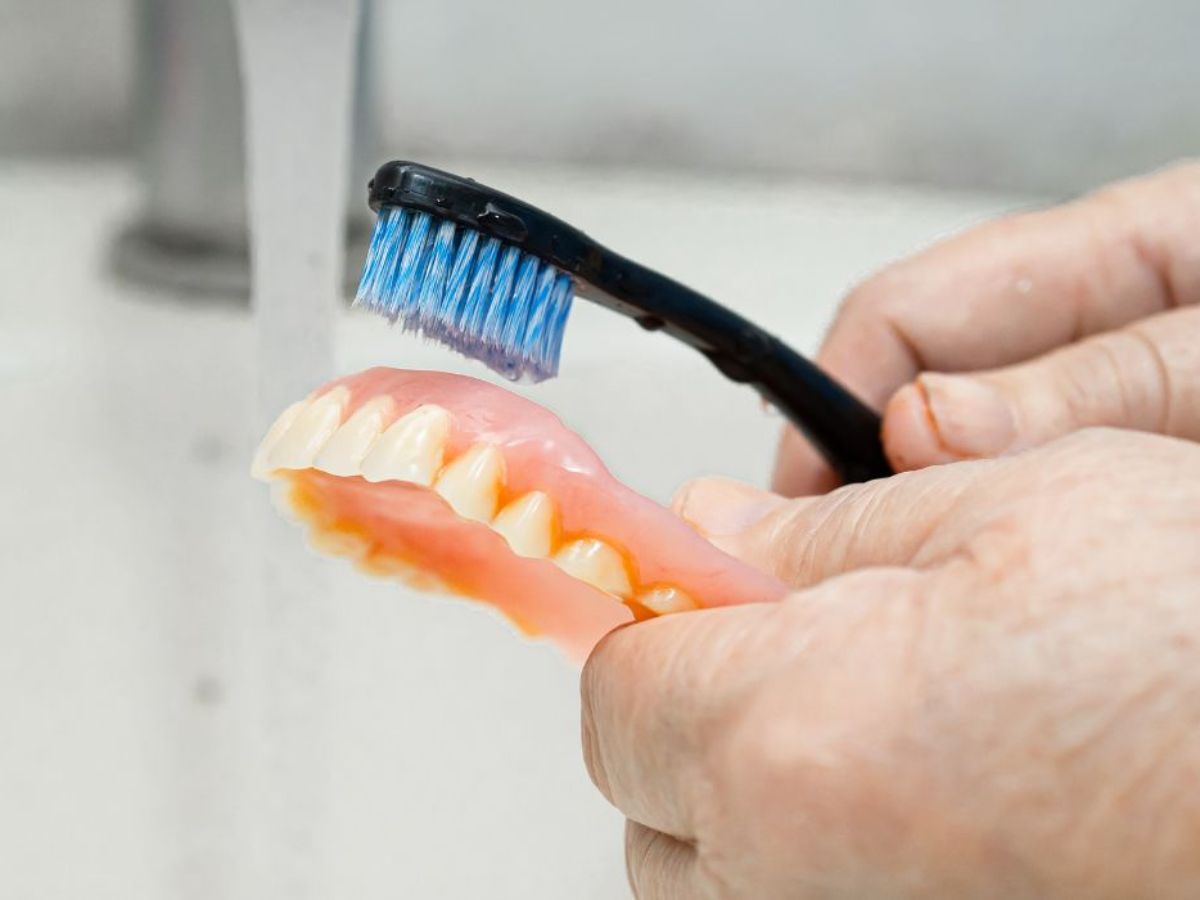
A full denture, also called a complete denture, is a removable dental appliance designed to replace all of the natural teeth on the upper arch, the lower arch, or both. It differs from a partial denture, which is used when some natural teeth remain in place. Most full dentures are made from acrylic resin, a lightweight material that can be colour-matched to complement your natural gum tone. For patients exploring full dentures in Lower Hutt, a metal-reinforced base may also be discussed at your assessment, depending on your individual clinical needs. Because a full denture is removable, it is not fixed to the jawbone. It relies on the shape of your gum ridge, and sometimes denture adhesive, for stability. Your clinician will explain what to expect based on your own oral structure during a consultation.Who Might Need Full Dentures in Lower Hutt?
You may benefit from discussing full dentures with a clinician if all or most of your natural teeth are missing, or if your remaining teeth have significant decay or damage. A thorough oral health assessment can help determine whether full dentures are a suitable option for you. Some common situations where full dentures are considered include:- All or most teeth on an arch are missing
- Remaining teeth have advanced decay, gum disease, or structural damage
- An existing full denture no longer fits comfortably or needs replacing
- Tooth loss is making it harder to chew or speak comfortably
- A removable option is preferred over fixed, implant-supported restorations
- There have been ongoing oral health concerns without a recent dental assessment
How Are Full Dentures Different From Partial Dentures?
A full denture replaces every tooth on an arch, while a partial denture fills specific gaps where some natural teeth remain. The right choice depends on how many natural teeth you still have and their overall condition. Both types of denture are custom-fabricated to support a natural appearance and everyday oral function. Your clinician will assess your oral health and discuss which option may be more appropriate for your circumstances.What Does the Full Denture Process Involve?
The full denture process typically involves several appointments, starting with a comprehensive oral health assessment and ending with a final fitted appliance. Timeframes can vary depending on individual clinical needs and laboratory scheduling.- Assessment – X-rays and a thorough evaluation of gums, bone condition, and oral health history.
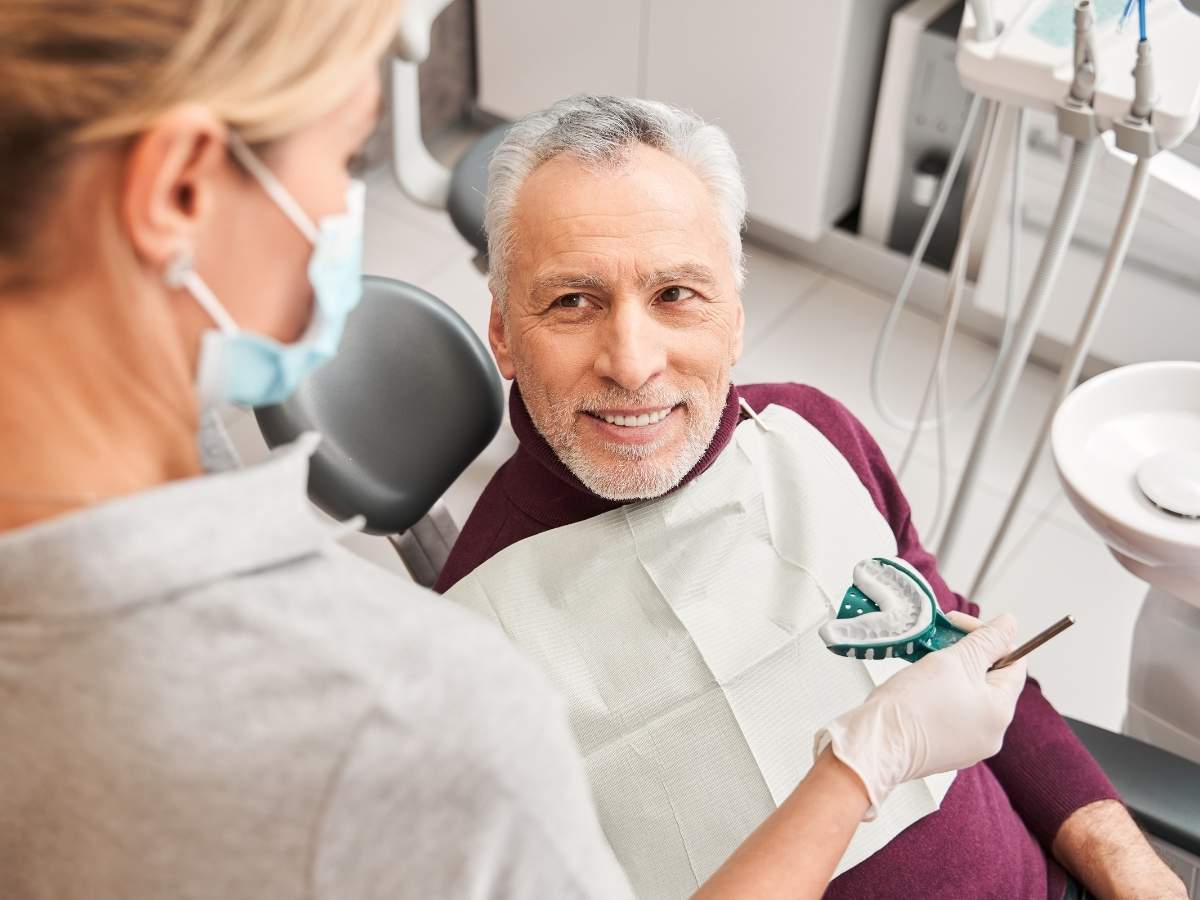
- Impressions and measurements – Custom moulds and bite measurements are taken to guide fabrication.
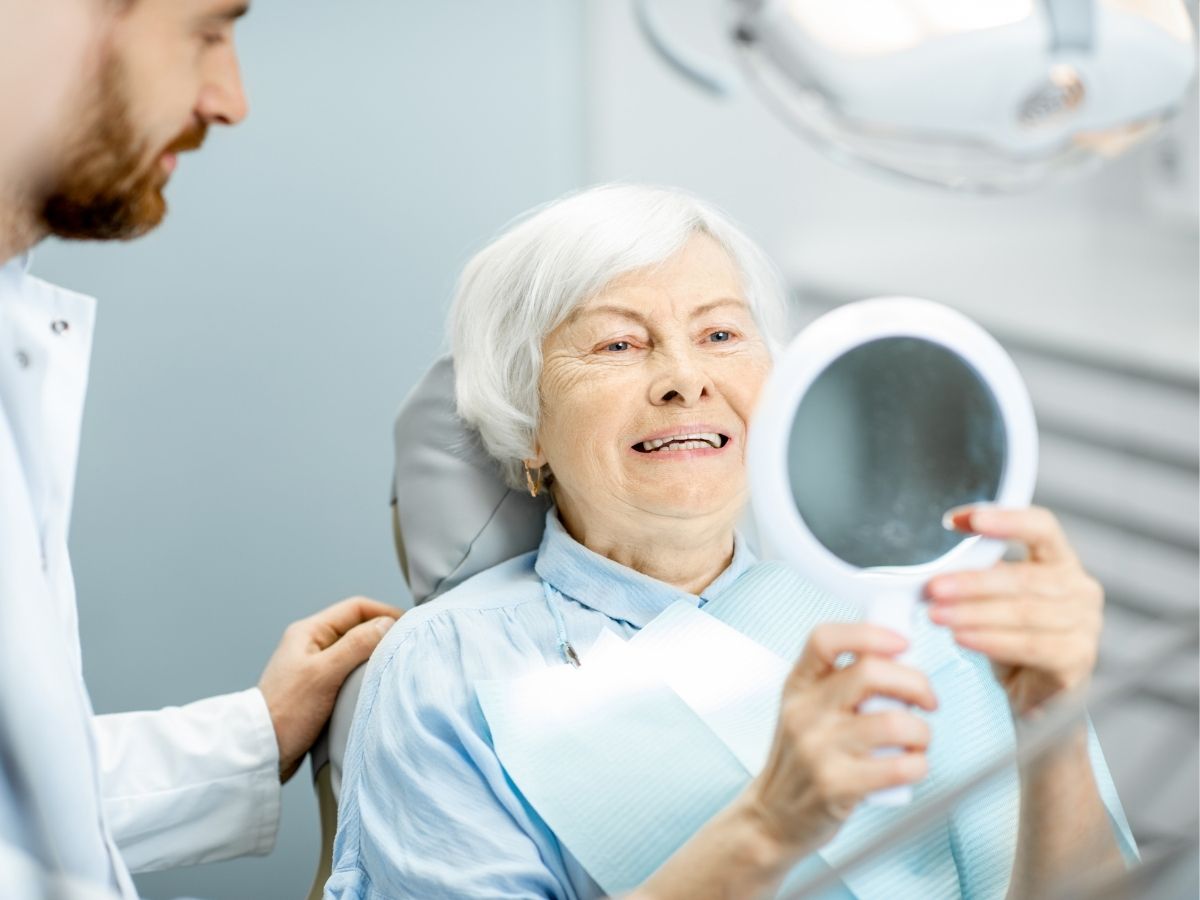
- Trial fitting – A wax try-in is assessed for fit, bite alignment, and appearance, with patient input welcomed.
- Final fitting – The finished denture is fitted, with adjustments made for comfort and function.
- Aftercare and review – Home care guidance is provided, along with follow-up appointments to monitor fit over time.
What Are the Potential Benefits of Full Dentures?
Full dentures may help restore the ability to chew a wider range of foods and speak more comfortably, though individual outcomes depend on personal circumstances and how well the appliance fits. A well-fitted denture is generally custom-made to suit your facial structure and gum tone. Some of the areas full dentures may support include:- Oral function – May help with chewing and speaking as natural teeth are replaced.
- Appearance – Custom colour-matching aims for a natural-looking result.
- Facial structure support – A well-fitted denture may help support facial soft tissue after tooth loss.
- Adaptability – Dentures can potentially be relined or adjusted as your gums and jaw change over time.