
At a Glance
- New full dentures often feel bulky, tight, or unfamiliar during the first few weeks
- This is a normal part of your mouth adjusting to a new appliance
- Speech and chewing usually improve gradually with practice
- Follow-up appointments allow your clinician to make small adjustments for comfort
- Most people adapt within several weeks, though timeframes vary between individuals
Why Do New Dentures Feel Strange at First?
New full dentures feel different at first because your mouth, tongue, and cheek muscles need time to adjust to the presence of a new appliance sitting against your gums and soft tissue. This sensation is a normal part of the adaptation process and generally settles as your mouth becomes accustomed to the denture. Your gums and jawbone have their own shape, and a denture is custom-fabricated to sit against that shape. For anyone new to full dentures in Lower Hutt, even a well-fitted denture introduces new pressure points and a different sense of “fullness” in the mouth compared to what you were used to before. Saliva flow can also increase temporarily as your mouth responds to the new object. Your tongue and cheeks play a role in holding a denture in place, and it takes time for these muscles to learn how to work with the appliance rather than against it. This is one reason speech and chewing may feel awkward in the early days.How Long Does It Take to Adjust to New Full Dentures?
Adjustment periods vary from person to person, and there is no fixed timeframe that applies to everyone. Many people notice gradual improvement over the first few weeks, though some individuals take longer depending on their oral structure and denture type. Factors that can influence how quickly you adjust include:- Whether this is your first denture or a replacement
- The condition and shape of your gums and jaw ridge
- Whether you are wearing an upper, lower, or both arches
- How closely you follow your clinician’s aftercare guidance
Why Does Speech Sound Different With New Dentures?
Speech can sound different with new dentures because the appliance changes the space inside your mouth that your tongue uses to form certain sounds, particularly those involving the tongue touching the roof of the mouth or front teeth. This usually improves with practice. Reading aloud at home is a practical way to retrain your tongue and lips to work with the new denture. Many people find that words which felt difficult in the first few days become noticeably easier within one to two weeks of regular practice. If certain sounds remain consistently difficult after some weeks of practice, it may be worth mentioning this at a follow-up appointment so your clinician can review the fit.Why Does Chewing Feel Different at First?
Chewing feels different at first because a denture relies on your gums, saliva, and jaw muscles working together in a new way, rather than the direct root support that natural teeth once provided. Learning to chew evenly on both sides of the mouth can help improve stability. Starting with softer foods cut into smaller pieces is a practical way to build confidence before gradually reintroducing a fuller range of foods. Many patients find it helpful to check in with their denture clinic in Lower Hutt during this adjustment period. Chewing slowly and evenly, rather than favouring one side, may also help the denture sit more securely during meals. Some people notice occasional movement of the denture while eating in the early stages. This can often improve as the muscles around the mouth adapt, though ongoing looseness is worth discussing with your clinician.What Can Help New Dentures Feel More Comfortable?
A few simple habits may support a smoother adjustment period while your mouth becomes accustomed to a new full denture. These include practising speech, easing into a varied diet, and keeping scheduled follow-up appointments.- Practise speaking – Read aloud for a few minutes each day to help retrain your tongue and lip movements.
- Ease into eating – Begin with softer foods and gradually reintroduce firmer textures as confidence builds.
- Keep follow-up appointments – Regular reviews allow your clinician to check fit, bite alignment, and comfort as your mouth adapts.
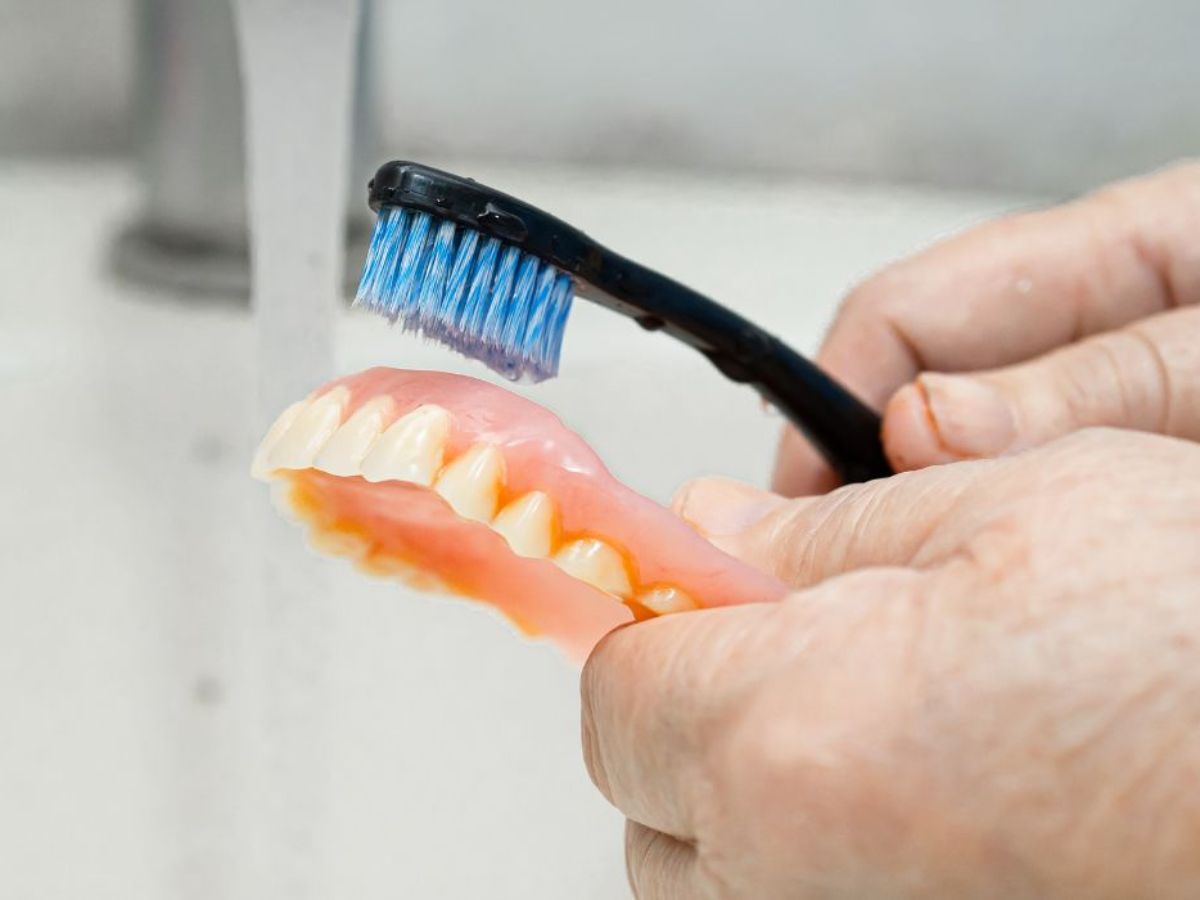
- Maintain good hygiene – Clean your denture and gums as advised to support overall oral health during the settling-in period.
- Allow time – Give yourself patience, as adjustment is a gradual process rather than an immediate change.