
At a Glance
- Full dentures are most commonly made from acrylic resin, valued for its light weight and ability to be colour-matched to natural gum tissue.
- Metal-reinforced (typically cobalt-chromium) frameworks may be used where extra strength or a thinner denture base is needed.
- Flexible thermoplastic (nylon-based) materials offer a more pliable, sometimes more comfortable alternative for some patients.
- Denture teeth themselves are usually made from acrylic resin or porcelain, each with different wear and appearance characteristics.
- The most suitable material for each patient depends on individual oral health, bite, budget, and comfort, always discussed at a personalised consultation.
What Is a Full Denture Made From?
A full denture is a removable appliance made up of two parts: a base that sits against the gums and artificial teeth set into that base. Most full dentures in Lower Hutt use an acrylic resin base, though metal reinforcement and flexible materials are also available depending on clinical needs. The base is the pink, gum-coloured portion of the denture, while the visible teeth are a separate material bonded or fixed into place. Because these two components can each be made from different materials, patients often have more than one decision to make during the planning process. Dental Reflections can guide you through the available material options based on your individual needs. Your clinician will explain which combination is likely to suit your gum ridge, bite, and lifestyle.Acrylic Resin: The Most Common Denture Base Material
Acrylic resin (specifically polymethyl methacrylate, or PMMA) is the most widely used material for full denture bases because it is lightweight, relatively affordable, and can be shaped and colour-matched to the gums with a high degree of accuracy. Acrylic is also easier to adjust or reline than some alternatives, which matters because gum and bone shape naturally change over time. This makes it a practical choice for many first-time denture wearers. On the other hand, acrylic bases are generally thicker than metal-reinforced options and can be more prone to fracture if dropped, so care in handling is worthwhile. Another advantage of acrylic dentures is their versatility. They can be used for both complete and partial dentures and are suitable for a wide range of patients. Because the material is relatively easy for dental laboratories to work with, repairs and modifications can often be completed more efficiently if changes are needed in the future. Acrylic dentures can also provide a natural-looking appearance when properly designed. The gum-coloured base can be customised to blend with the surrounding oral tissues, while the denture teeth can be selected to suit a patient’s facial features, age, and preferences. This level of customisation helps create a smile that looks balanced and natural. For many patients, comfort is another important consideration. The lightweight nature of acrylic can make dentures easier to adapt to during the initial adjustment period. However, achieving a comfortable fit depends not only on the material but also on the accuracy of the impressions, the design of the denture, and ongoing follow-up care. Ultimately, the most suitable denture material varies from person to person. A dental professional can assess your oral health, lifestyle, and long-term goals to help determine whether an acrylic denture or another option is likely to suit your individual needs.Metal-Reinforced (Cobalt-Chromium) Frameworks
A metal-reinforced denture uses a thin cobalt-chromium framework to add strength while reducing bulk. It may be recommended when extra durability or a slimmer fit is needed. A dental clinic in Lower Hutt can assess whether this option is suitable for you. Metal-reinforced dentures are typically more stable than standard acrylic dentures but usually cost more.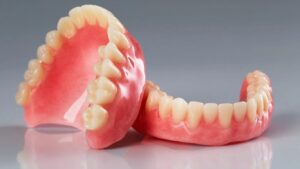
Flexible (Thermoplastic/Nylon) Denture Materials
Flexible dentures are made from a thin, semi-rigid thermoplastic material, often nylon-based, that bends slightly under pressure rather than remaining fully rigid like traditional acrylic. Some patients find flexible materials more comfortable initially because of this pliability, and the thinner design can feel less bulky in the mouth. Flexible dentures are more commonly used for partial dentures, though options exist for certain full denture cases. They can be harder to reline or adjust compared with acrylic, so your clinician will talk through the trade-offs based on your specific situation.Denture Teeth: Acrylic vs Porcelain
The artificial teeth set into a denture base are usually made from either acrylic resin or porcelain, and this choice affects appearance, wear, and bite feel. Acrylic teeth are lighter and bond well to an acrylic base, which is one reason they’re commonly paired together. Porcelain teeth are harder and can hold their shape well over time, though they are heavier and, in some situations, may wear opposing natural teeth more than acrylic would. Many clinics now use advanced composite or hybrid resin teeth that aim to combine durability with a more natural look and feel. Your clinician can talk you through which option may suit your bite and daily habits.How Denture Material Choice Is Usually Decided
There isn’t a single “best” material for every patient. The right choice depends on several individual factors that are typically assessed at a consultation. Bone and gum condition, bite alignment, budget, aesthetic preferences, and any history of denture wear or breakage are all commonly taken into account. Some patients prioritise a slimmer, sturdier fit and lean toward metal reinforcement, while others prefer the flexibility and lower cost of standard acrylic. A thorough oral health assessment, including X-rays where appropriate, generally forms the starting point before any material is recommended.Frequently Asked Questions
What is the most common material used for full dentures?
Acrylic resin is the most common material used for full denture bases because it is lightweight, adjustable, and can be closely colour-matched to natural gum tissue. Metal-reinforced and flexible alternatives are also available and may be discussed depending on individual clinical needs.Are metal dentures better than acrylic dentures?
Neither material is universally “better” metal-reinforced dentures can offer added strength and a thinner base, while acrylic dentures are generally more affordable and easier to adjust or reline. The right choice depends on your bite, gum condition, and personal preferences, which your clinician will assess during a consultation.Can denture material be changed after the denture is made?
The base material generally cannot be changed once a denture is fabricated, though relines and adjustments can help address fit changes over time. If you’re unhappy with your current denture material, a new denture using a different material may be an option to discuss at your next review.Do flexible dentures last as long as acrylic dentures?
Flexible and acrylic dentures each have different wear characteristics, and longevity can vary depending on how the denture is cared for and how your mouth changes over time. Your clinician can give you a more specific idea of expected lifespan based on the material chosen and your individual circumstances.How do I know which denture material is right for me?
The right denture material depends on factors like your gum and bone condition, bite alignment, budget, and aesthetic preferences. A comprehensive oral health assessment is a reliable starting point for determining which material, or combination of materials, may suit your individual needs.Conclusion
Choosing between acrylic, metal-reinforced, and flexible denture materials isn’t something you need to work out alone. A personalised treatment plan, built around a full assessment of your oral health, can help identify a material combination that supports comfort, function, and a natural-looking result. If you’re exploring full denture options in Lower Hutt, the team at Dental Reflections can talk you through the available materials and what may be suitable for your individual circumstances. Treatment outcomes and material suitability vary from person to person, so a consultation is always the best starting point. Sources:- Healthify NZ; Dentures — types, care, and what to expect; https://healthify.nz/hauora-wellbeing/d/dentures
- Optionally, NZDA — Oral Health for Older People (https://www.nzda.org.nz/public/your-oral-health/older-people) if you want a second source — it’s genuine NZDA content about appliance care, even though it’s about dentures generally rather than materials specifically.
- Healthify New Zealand; Oral Health: information on maintaining healthy teeth and gums; https://healthify.nz/health-a-z/o/oral-health/
- New Zealand Dental Association (NZDA); Public oral health resources and patient information; https://www.nzda.org.nz/public/resources